
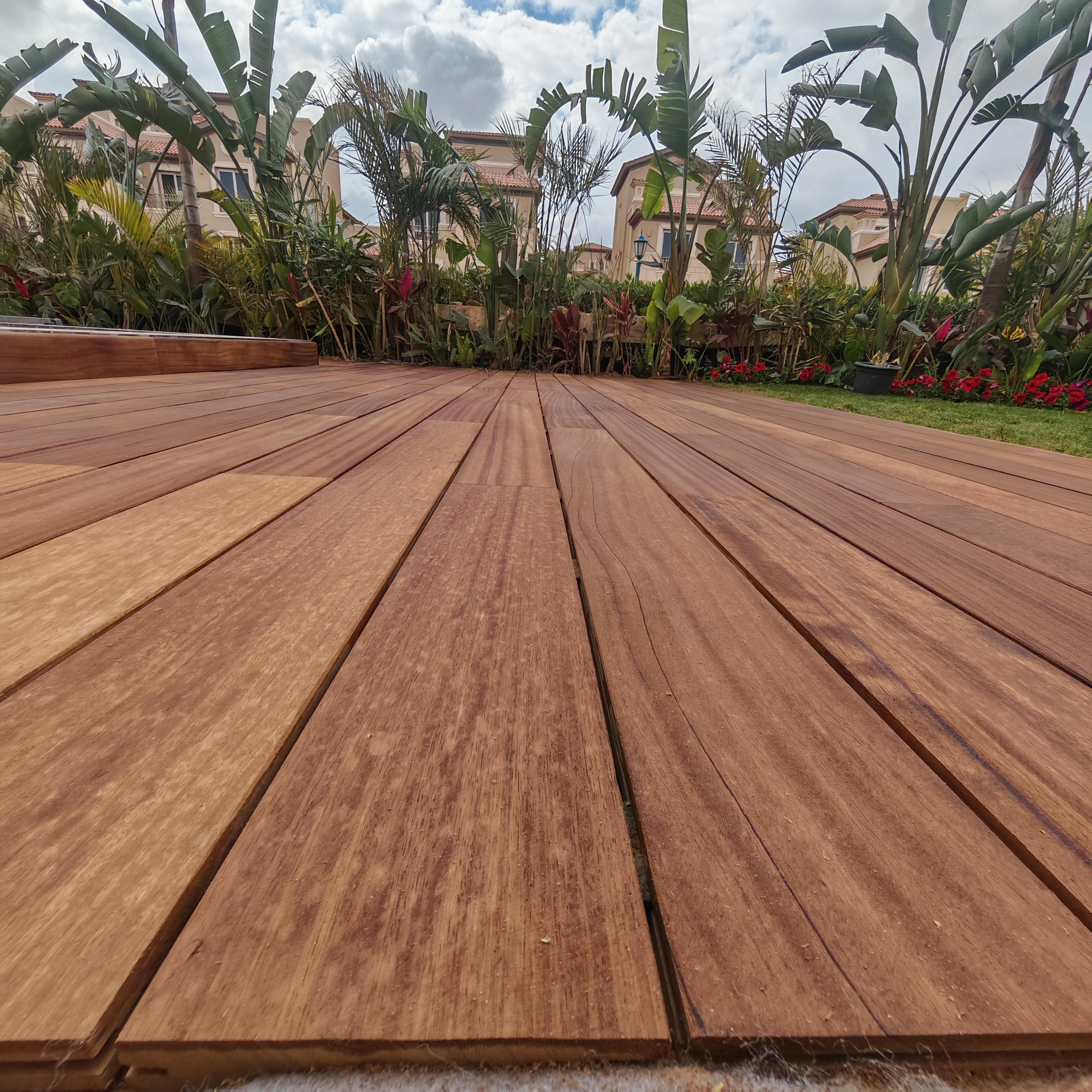
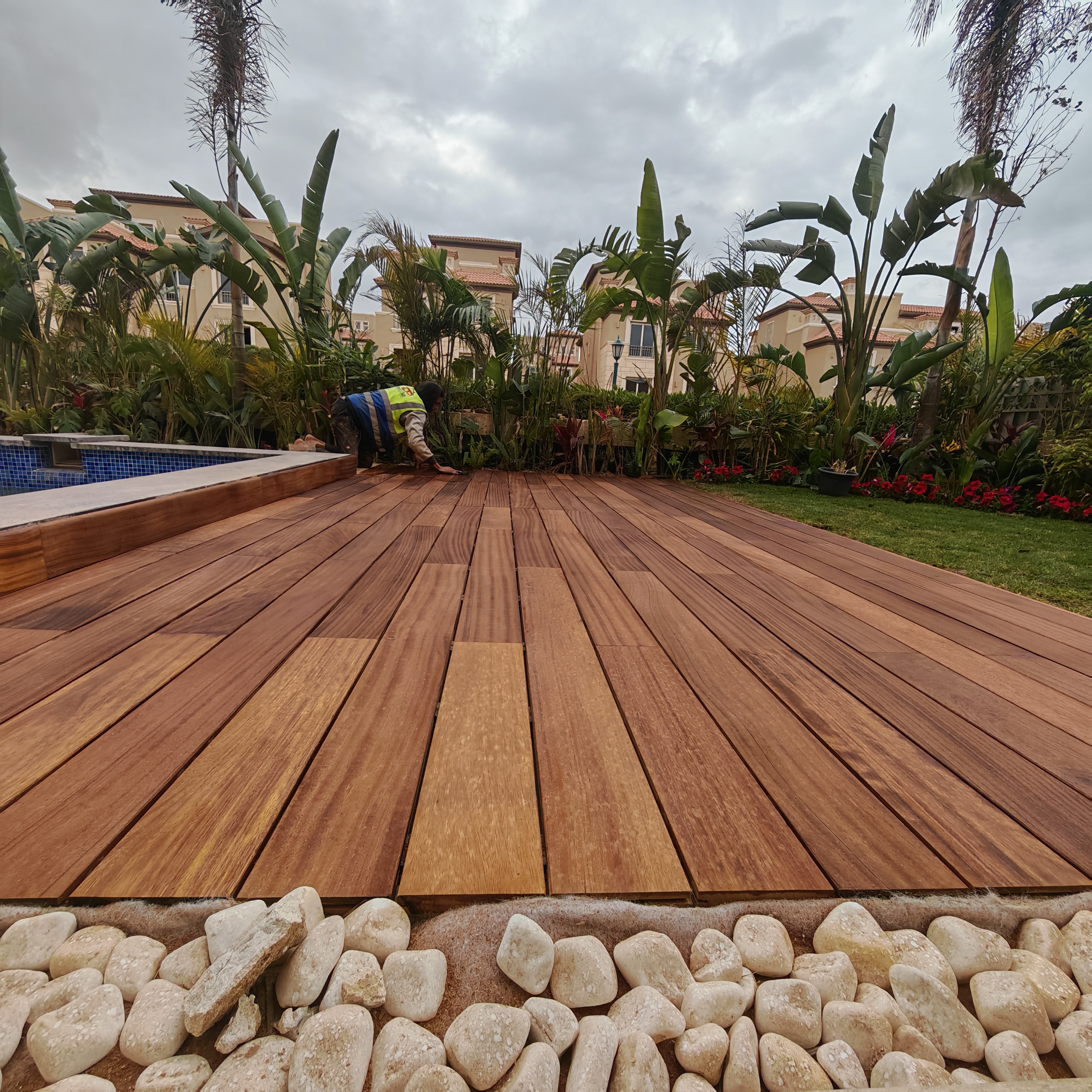
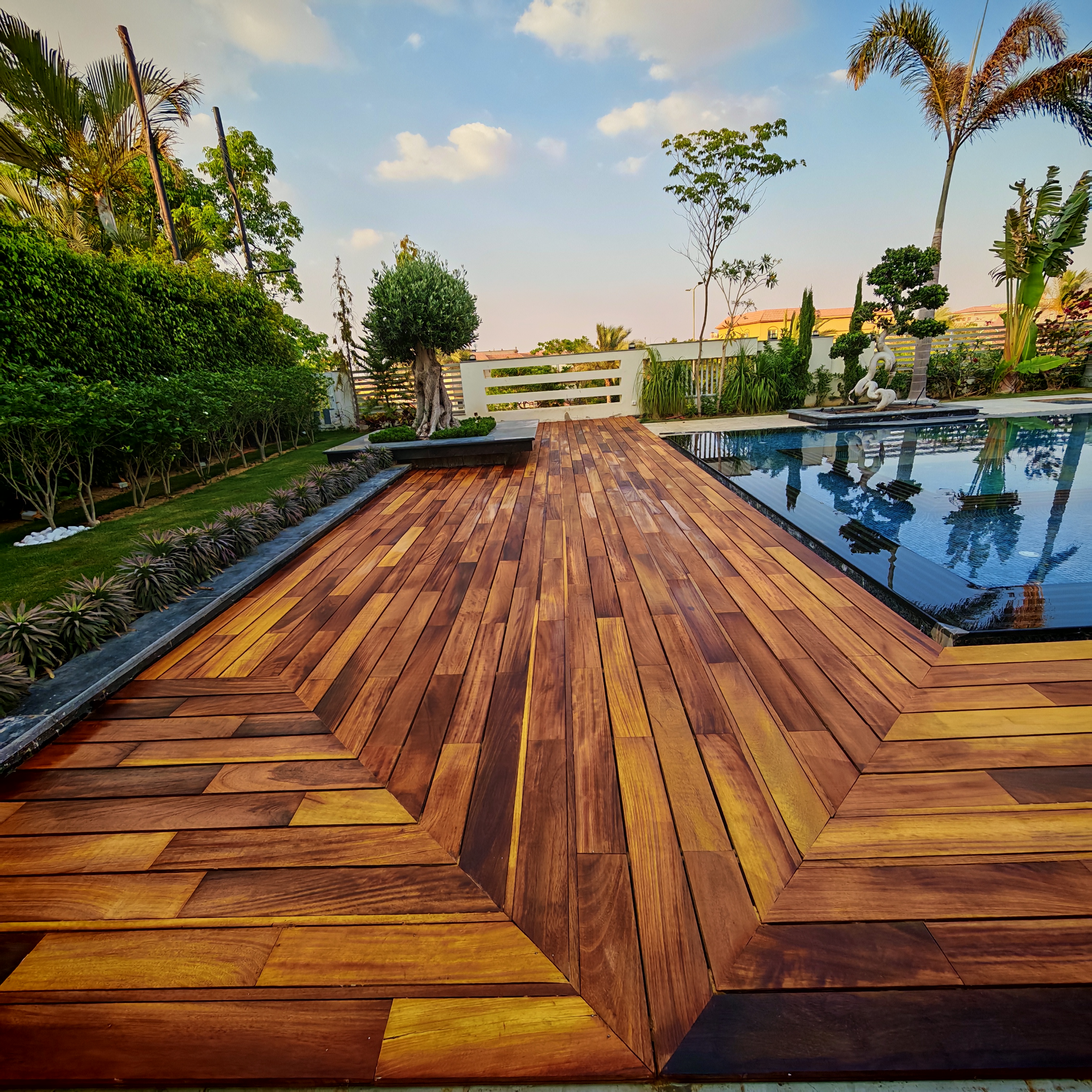
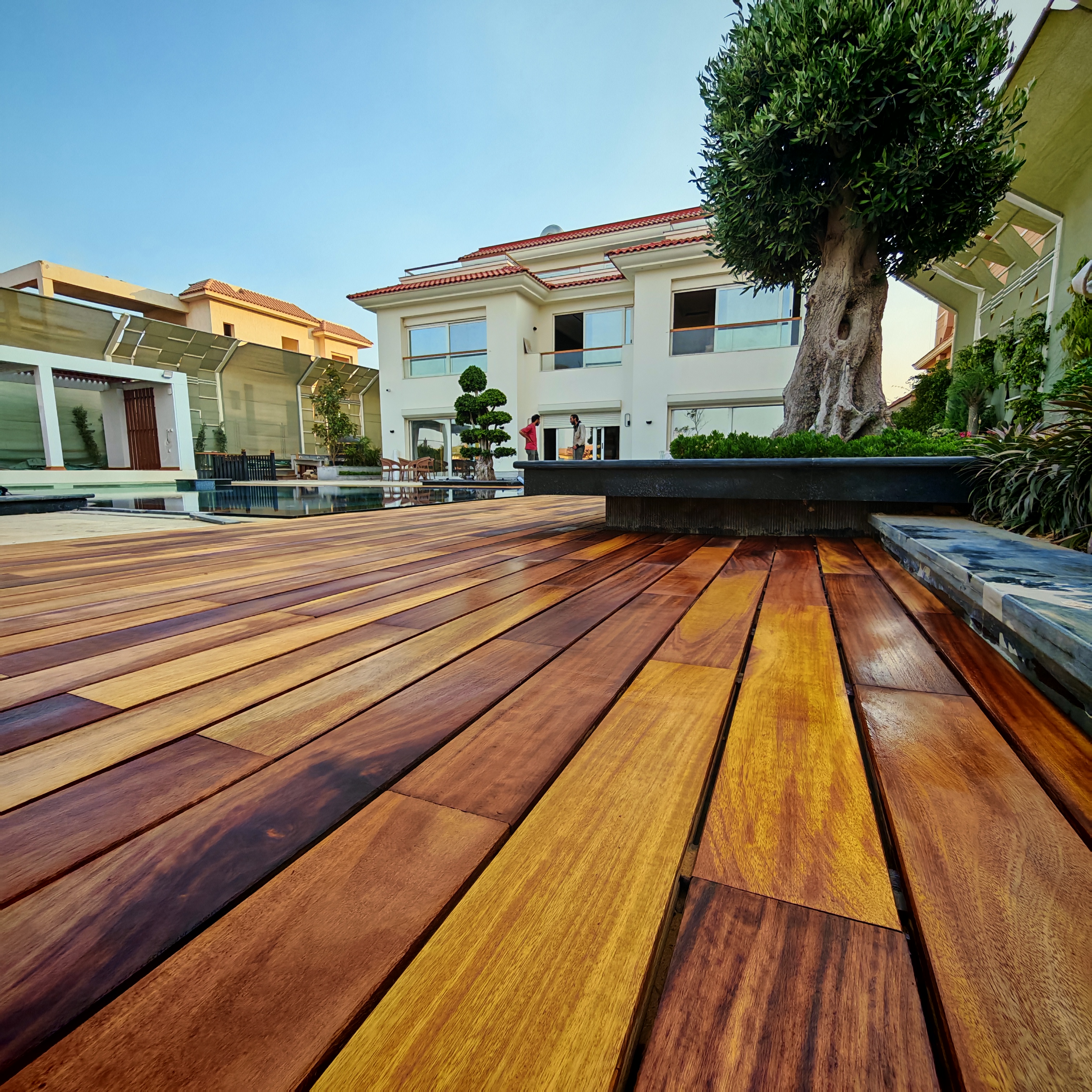
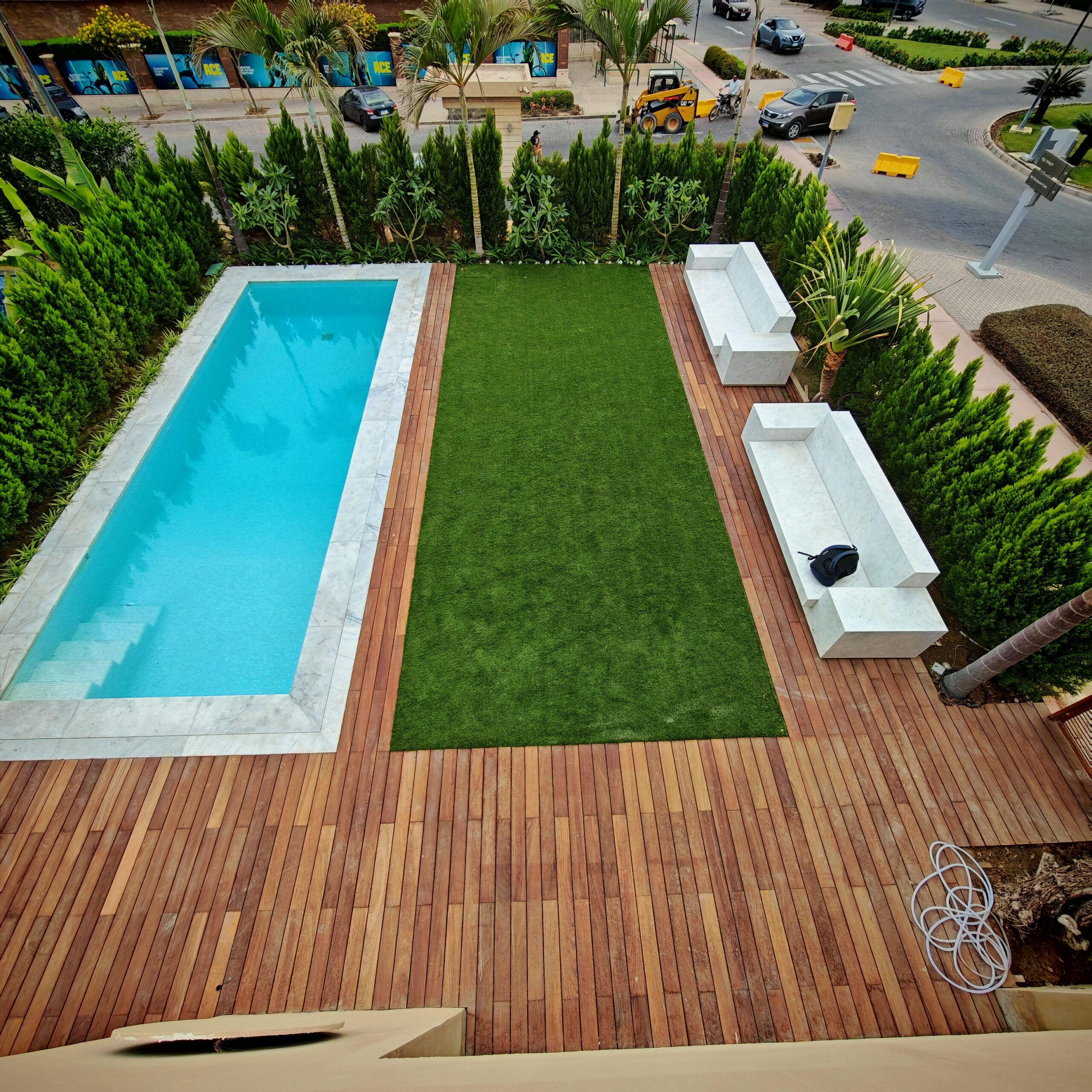
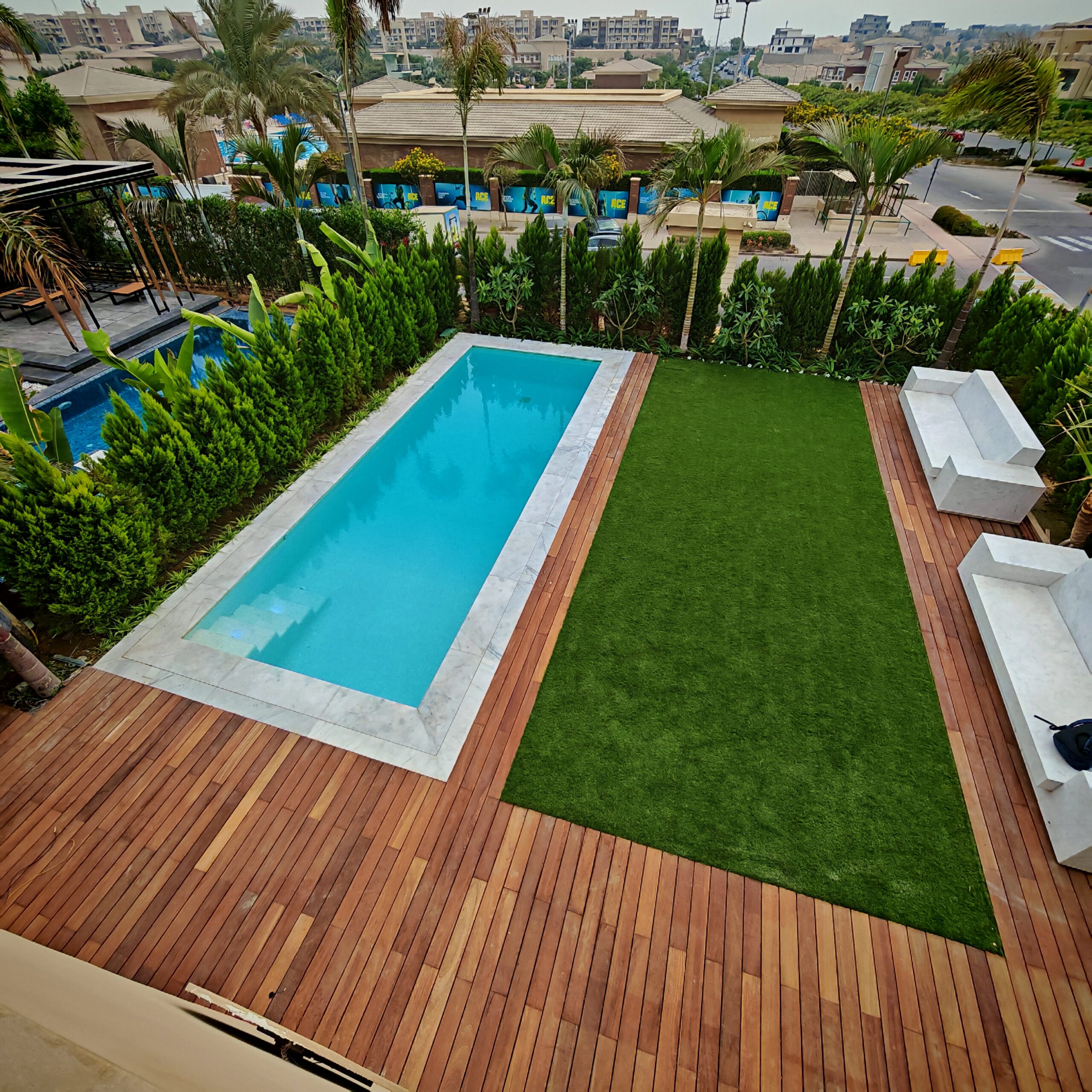
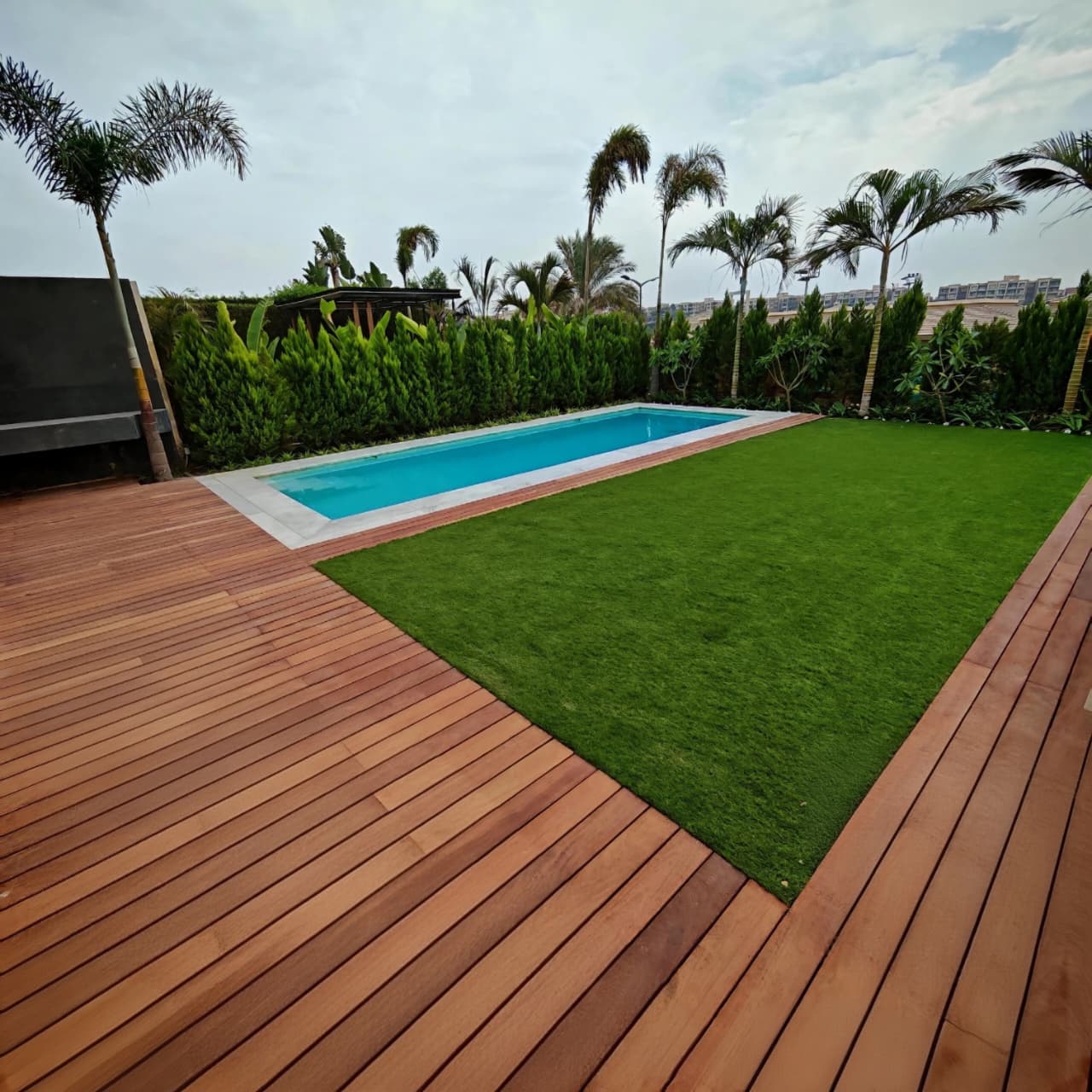
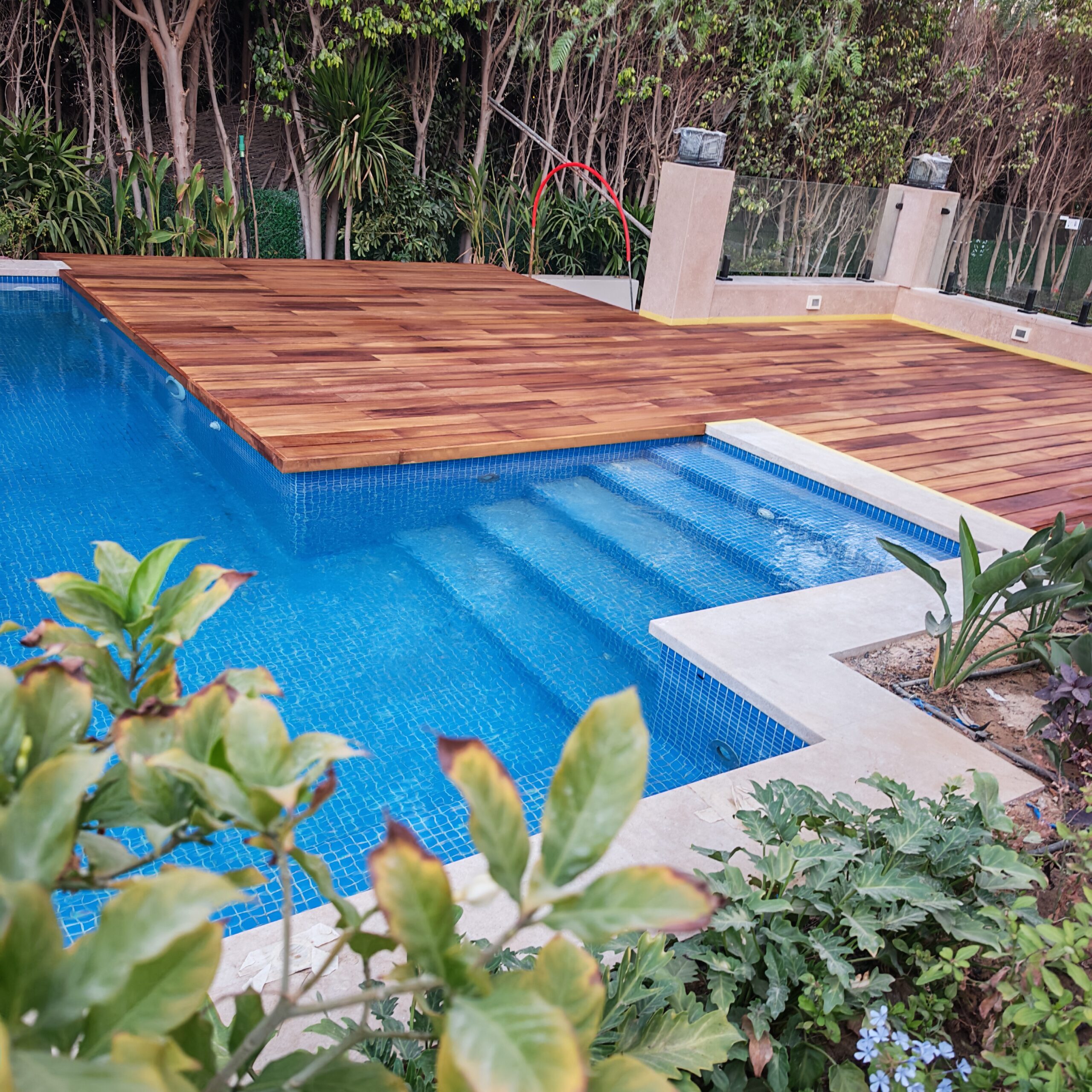
Teak Iroko Wood: Luxurious Design and Durability that Defies the Elements
When designers and contractors look for a material that combines a royal, luxurious appearance with an extraordinary ability to withstand the harshest climatic conditions, Teak Iroko wood stands out as the undisputed top choice. Known globally as the strongest and most efficient alternative to rare woods, it merges high aesthetic value with engineering and physical properties that make it a long-term investment built to last for generations.
Whether you are planning to furnish a coastal villa terrace, clad a modern facade, or design luxury yacht flooring, Teak Iroko delivers the perfect balance between performance and beauty.
Aesthetic Appeal and an Evolving Warm Color
The first thing that distinguishes Teak Iroko wood is its unique visual identity, which brings immediate warmth and luxury to any space:
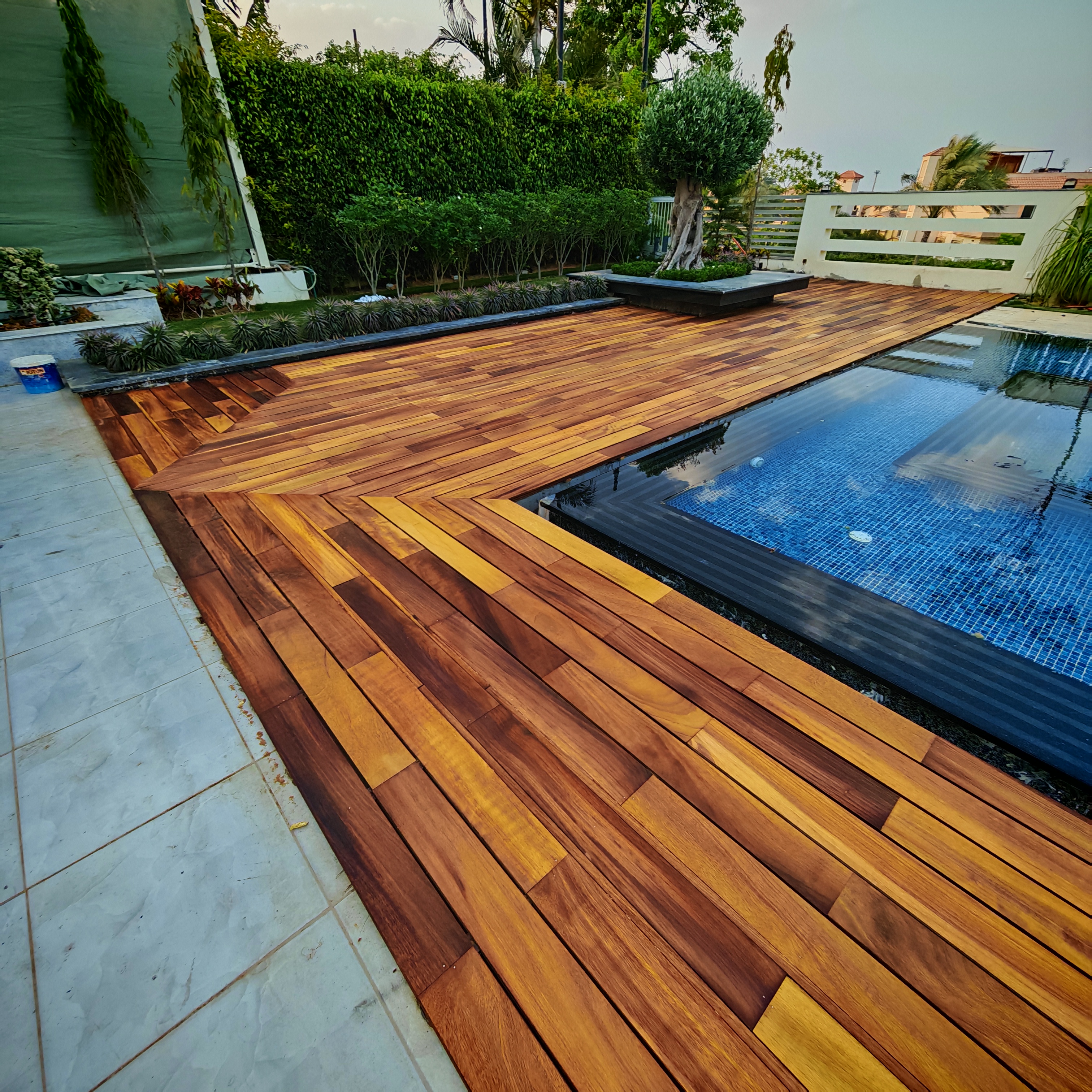
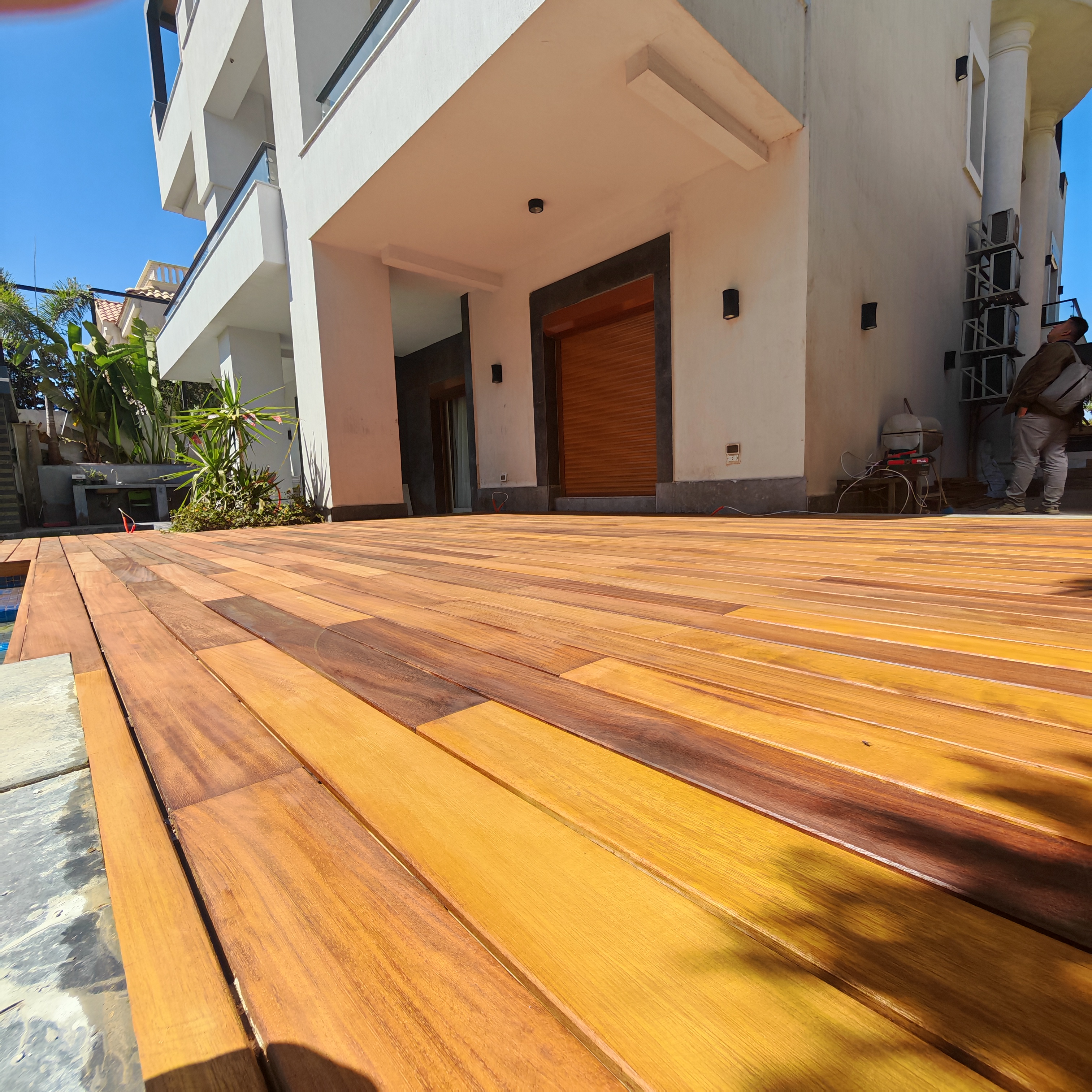
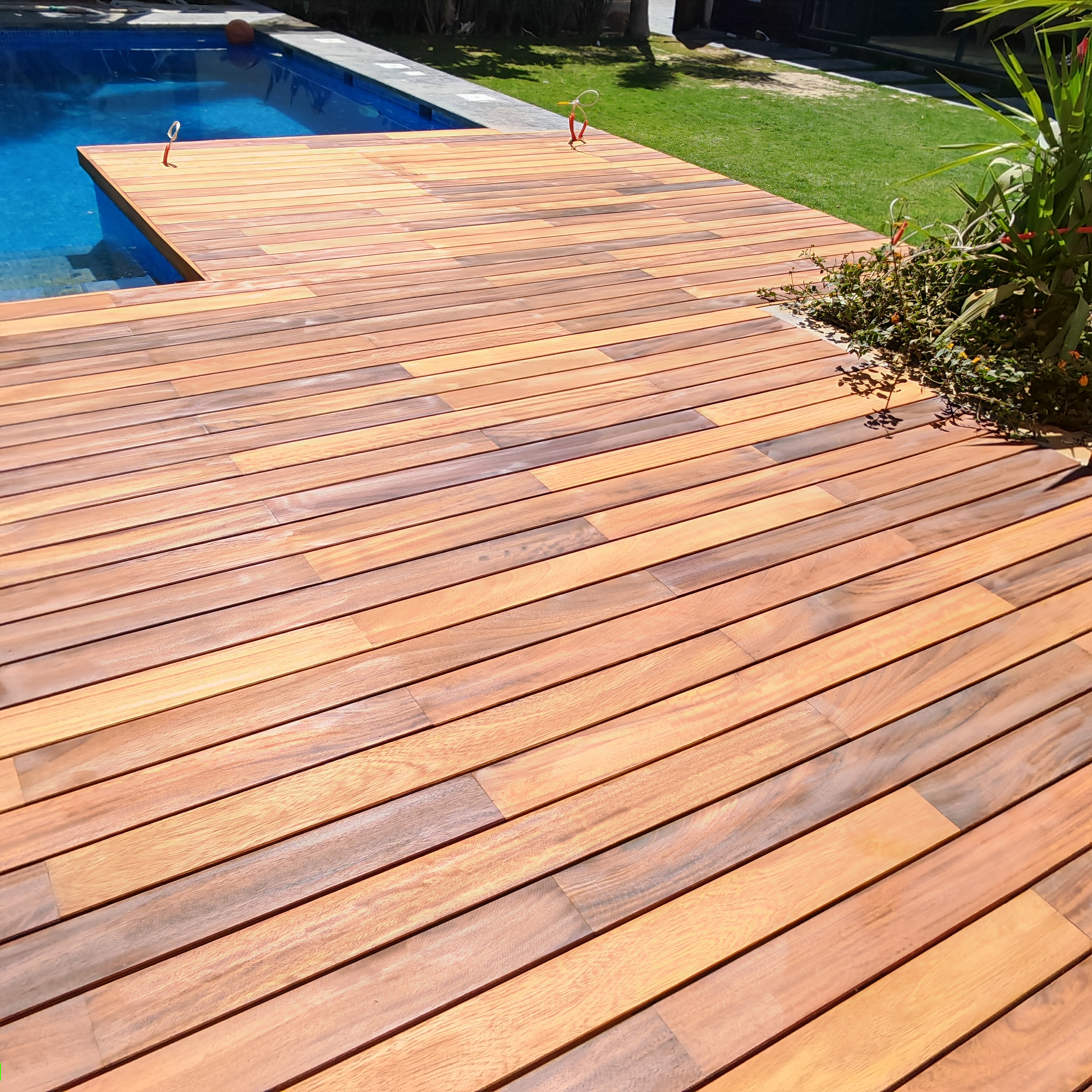
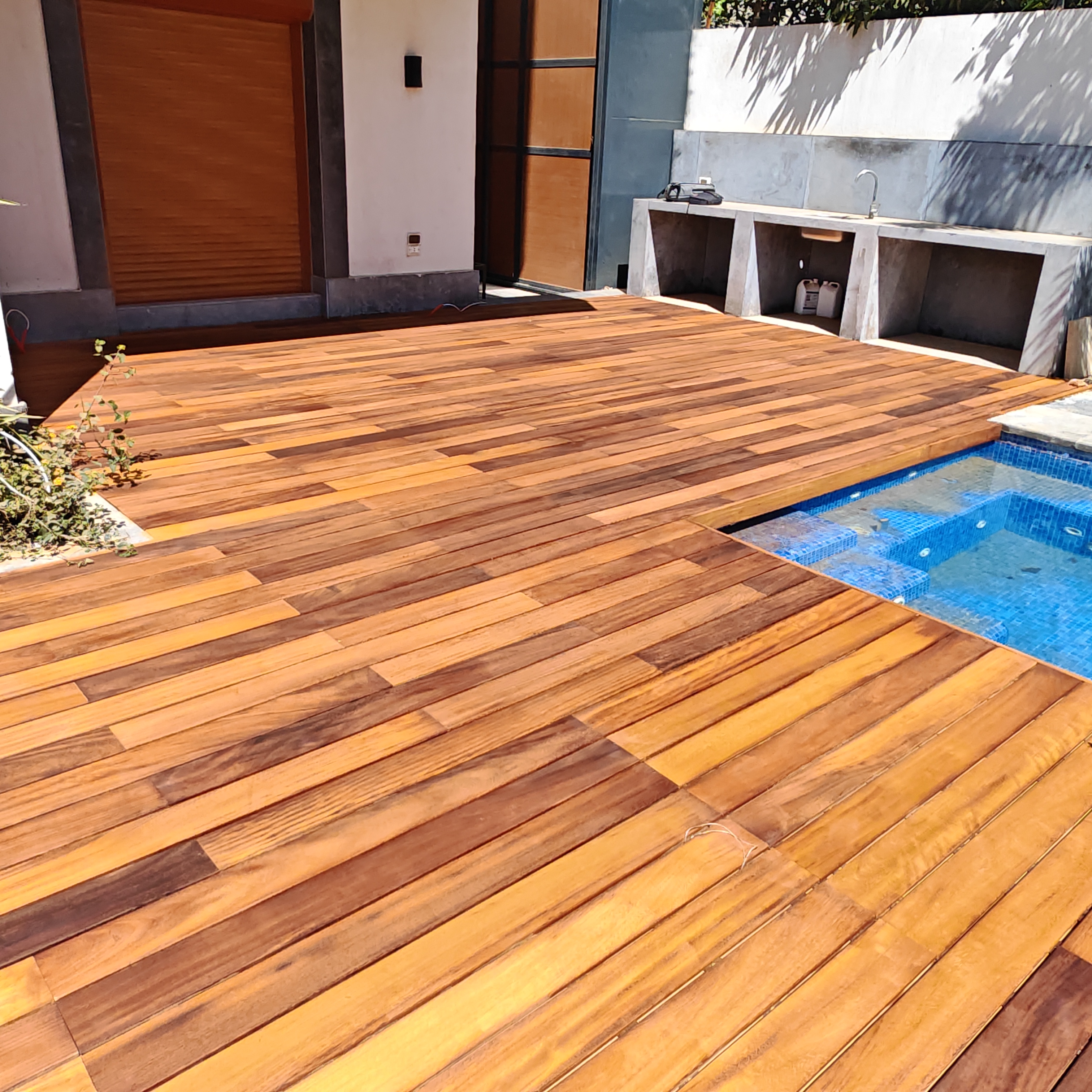
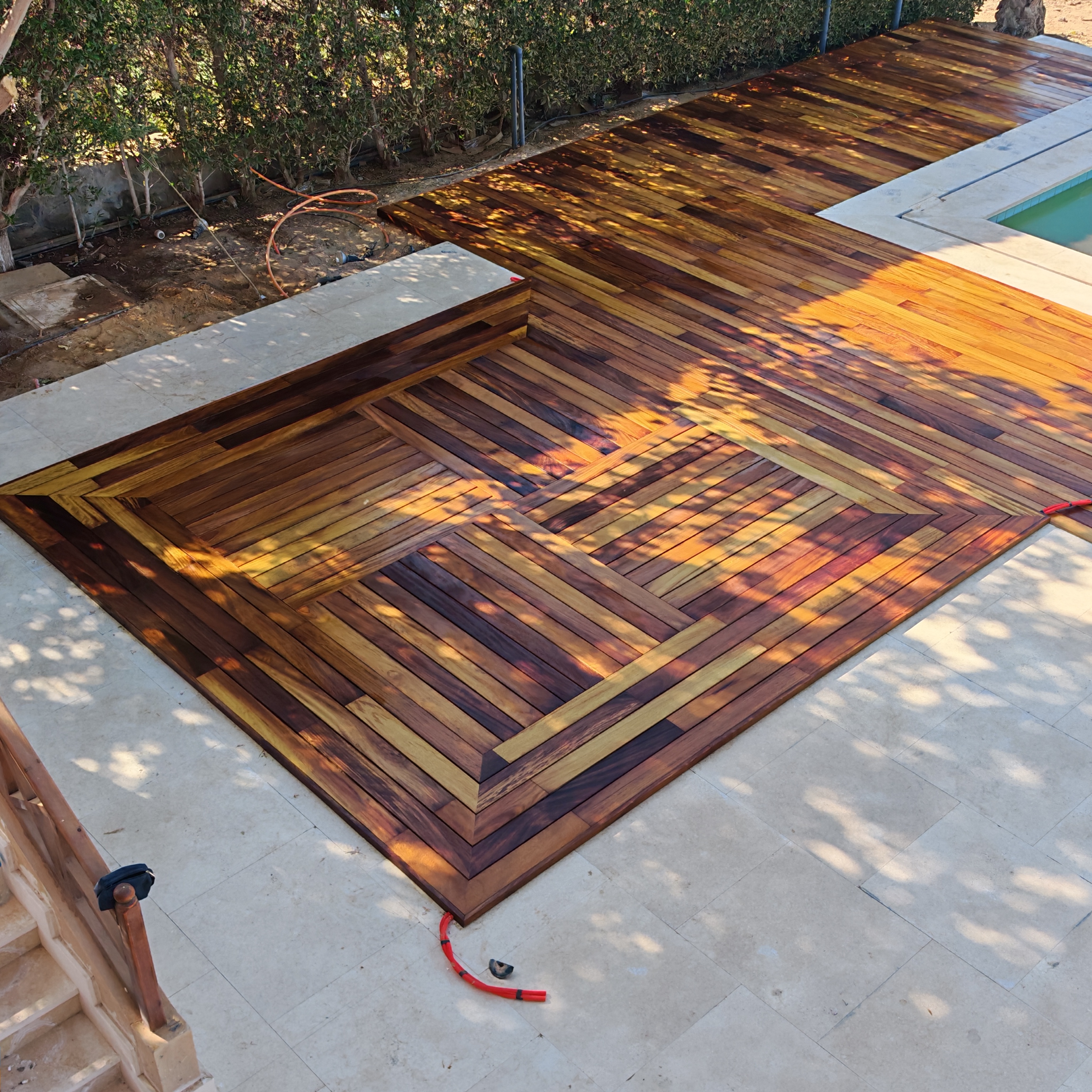
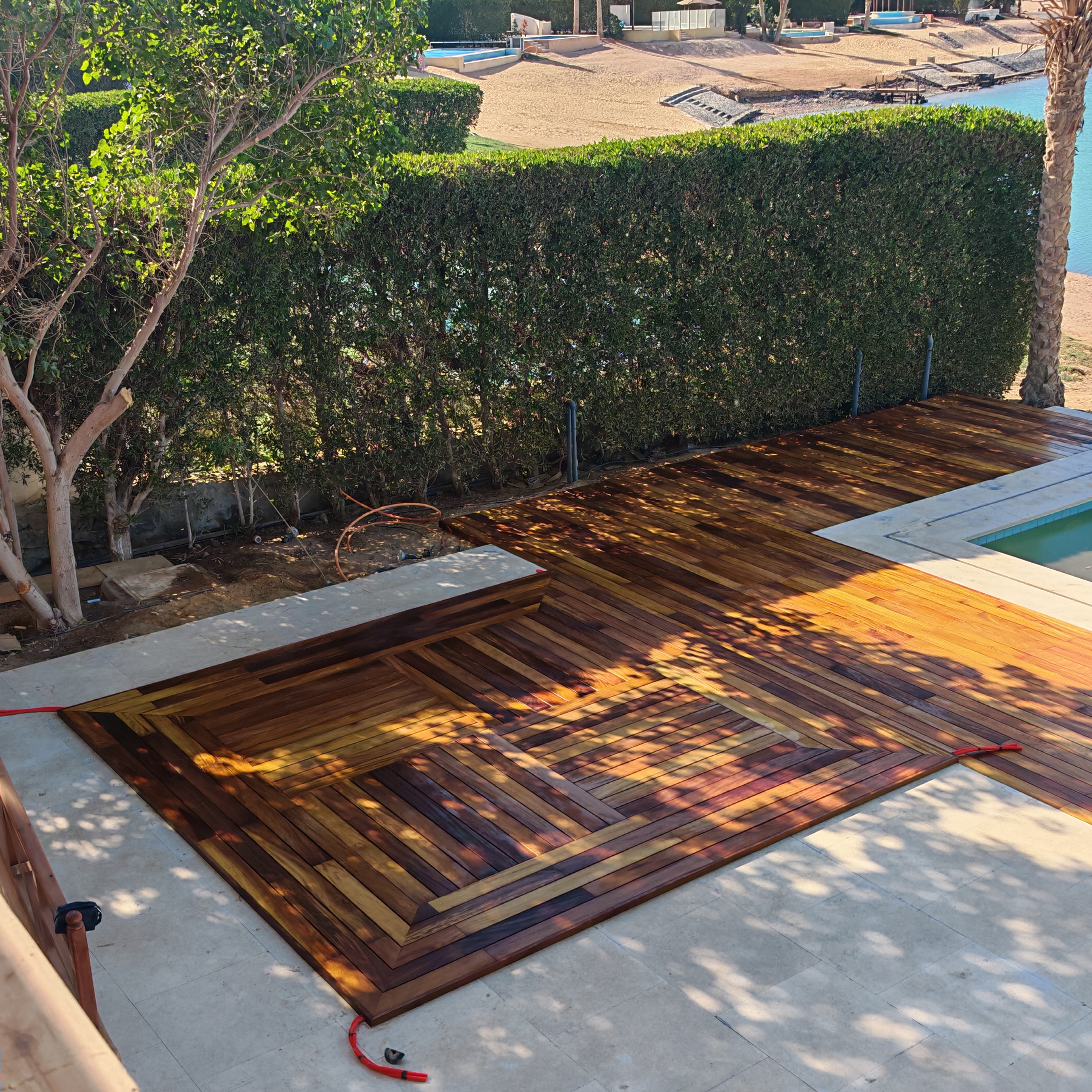
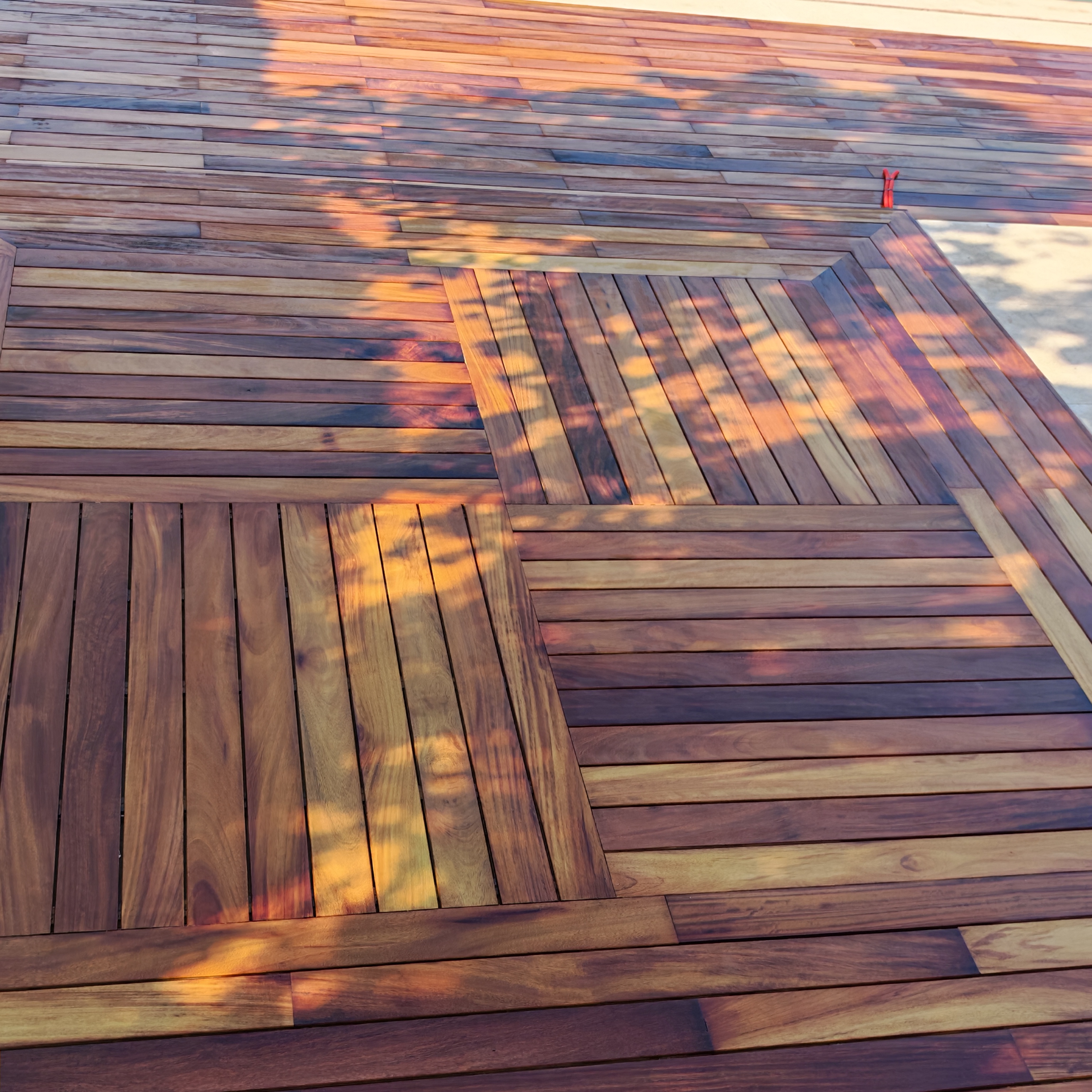
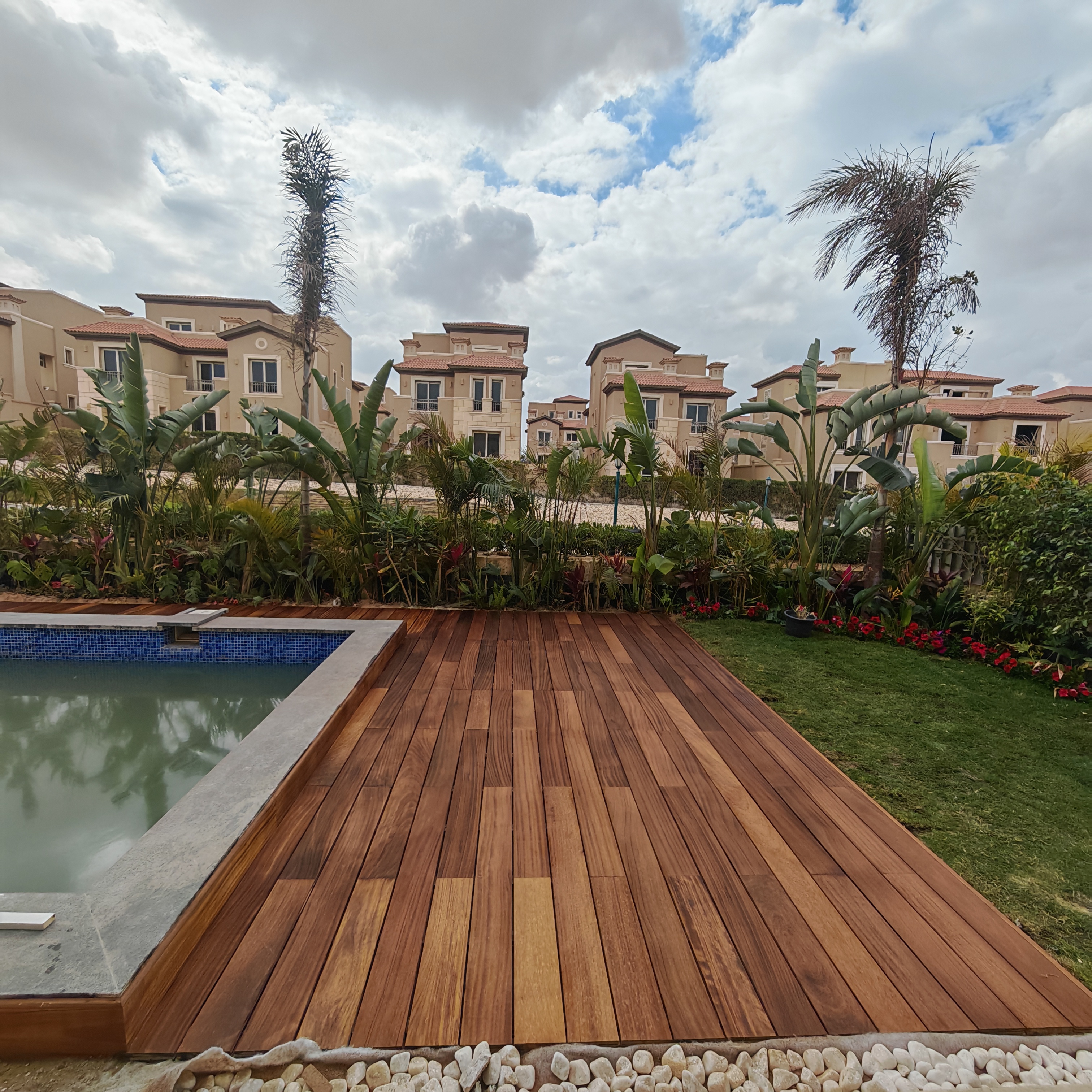
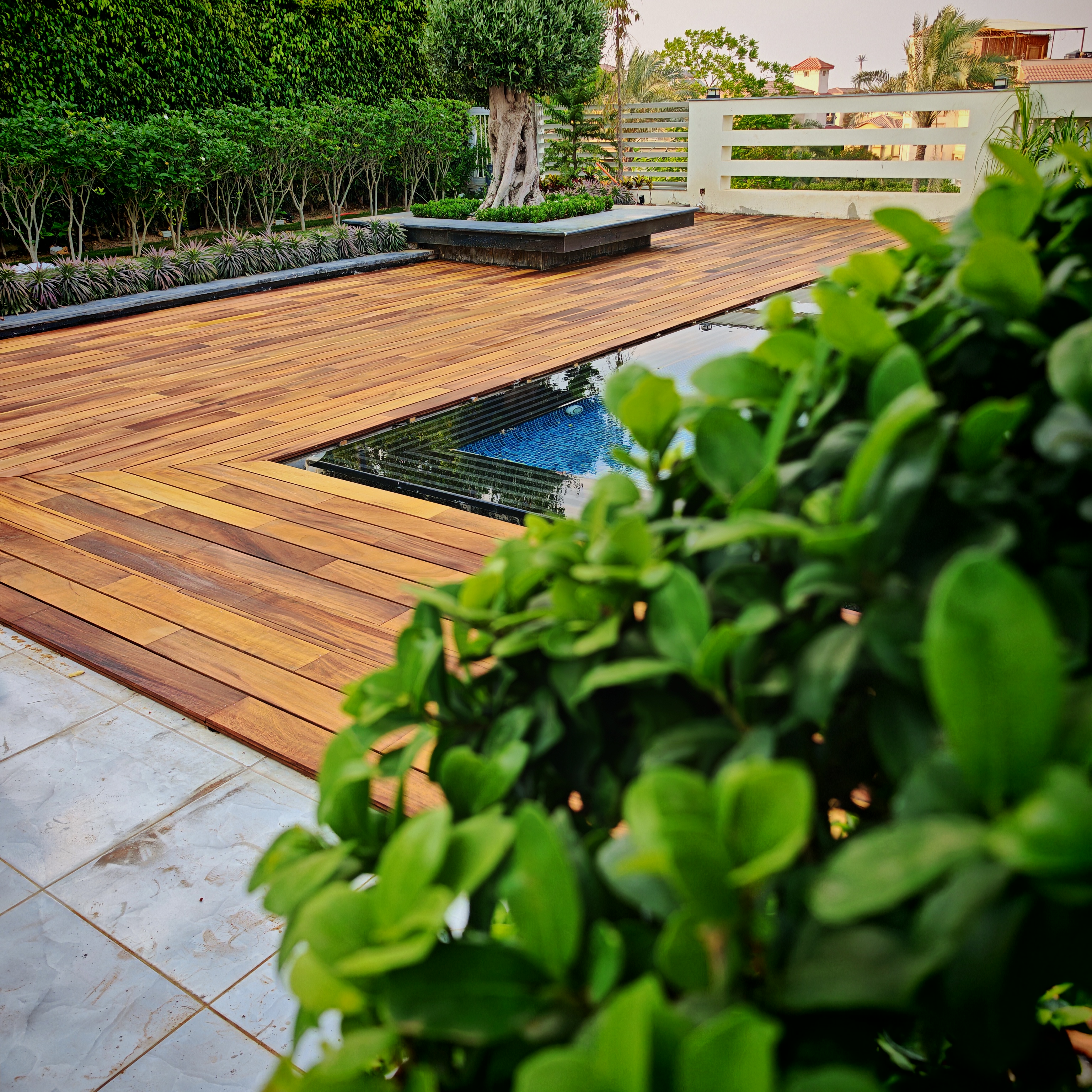
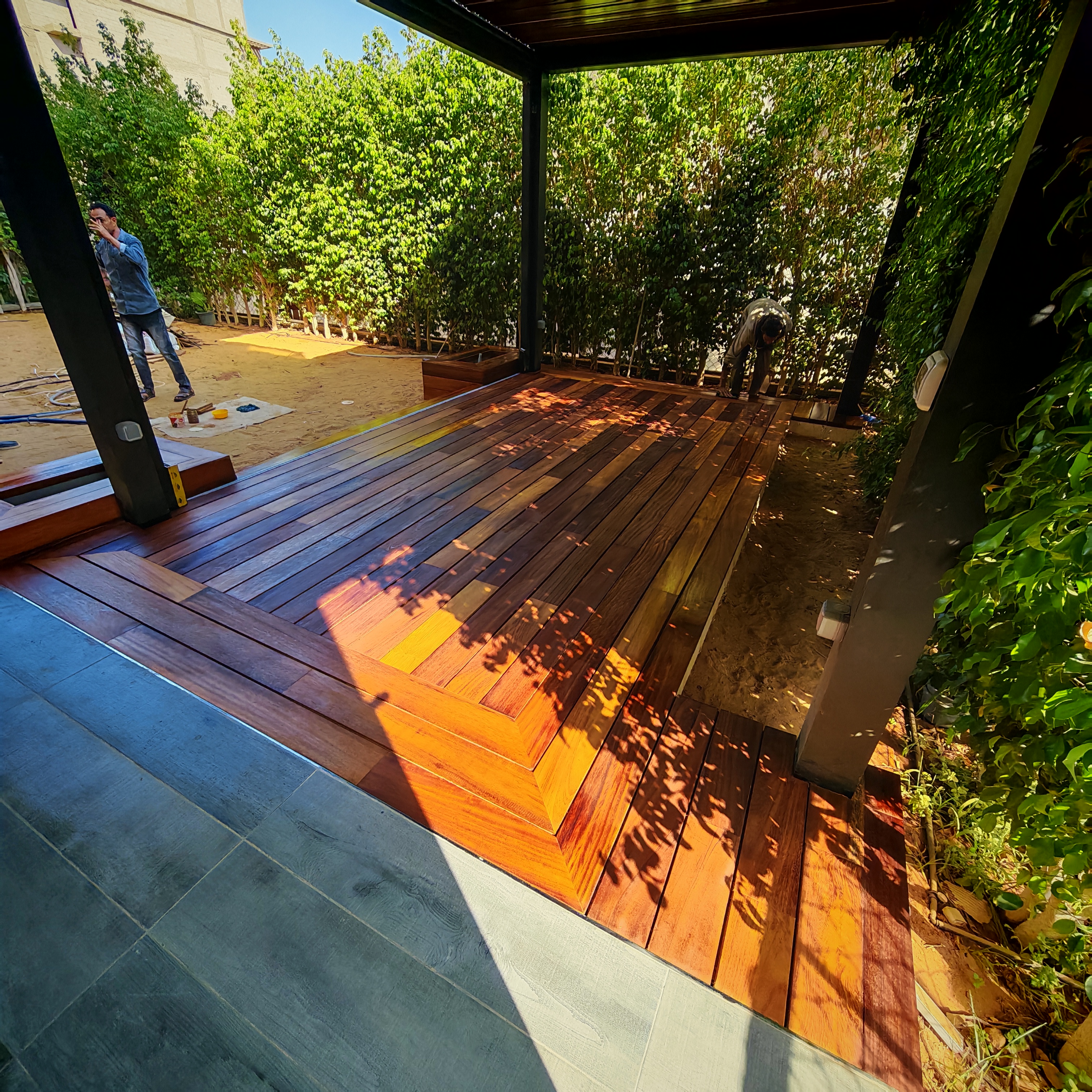
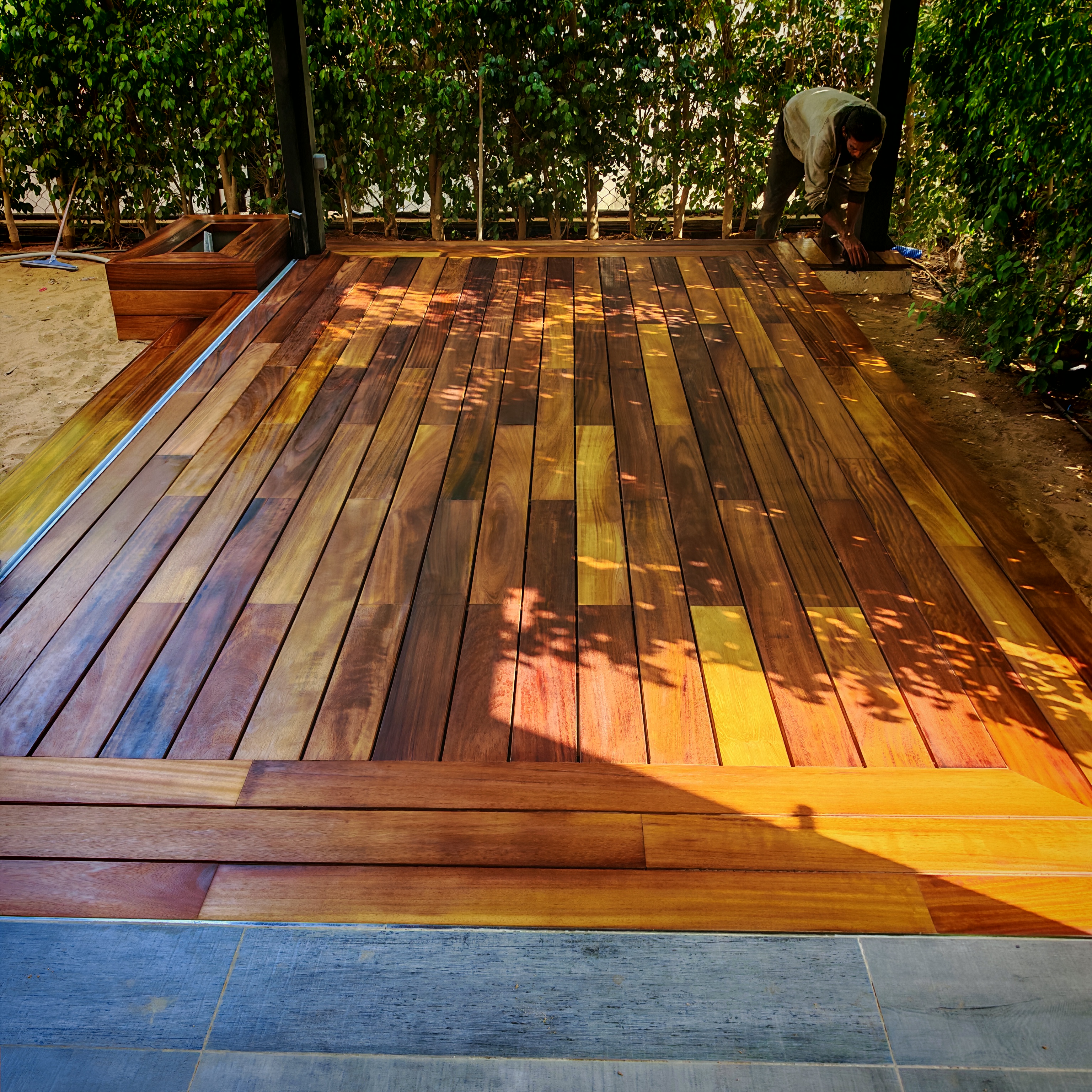
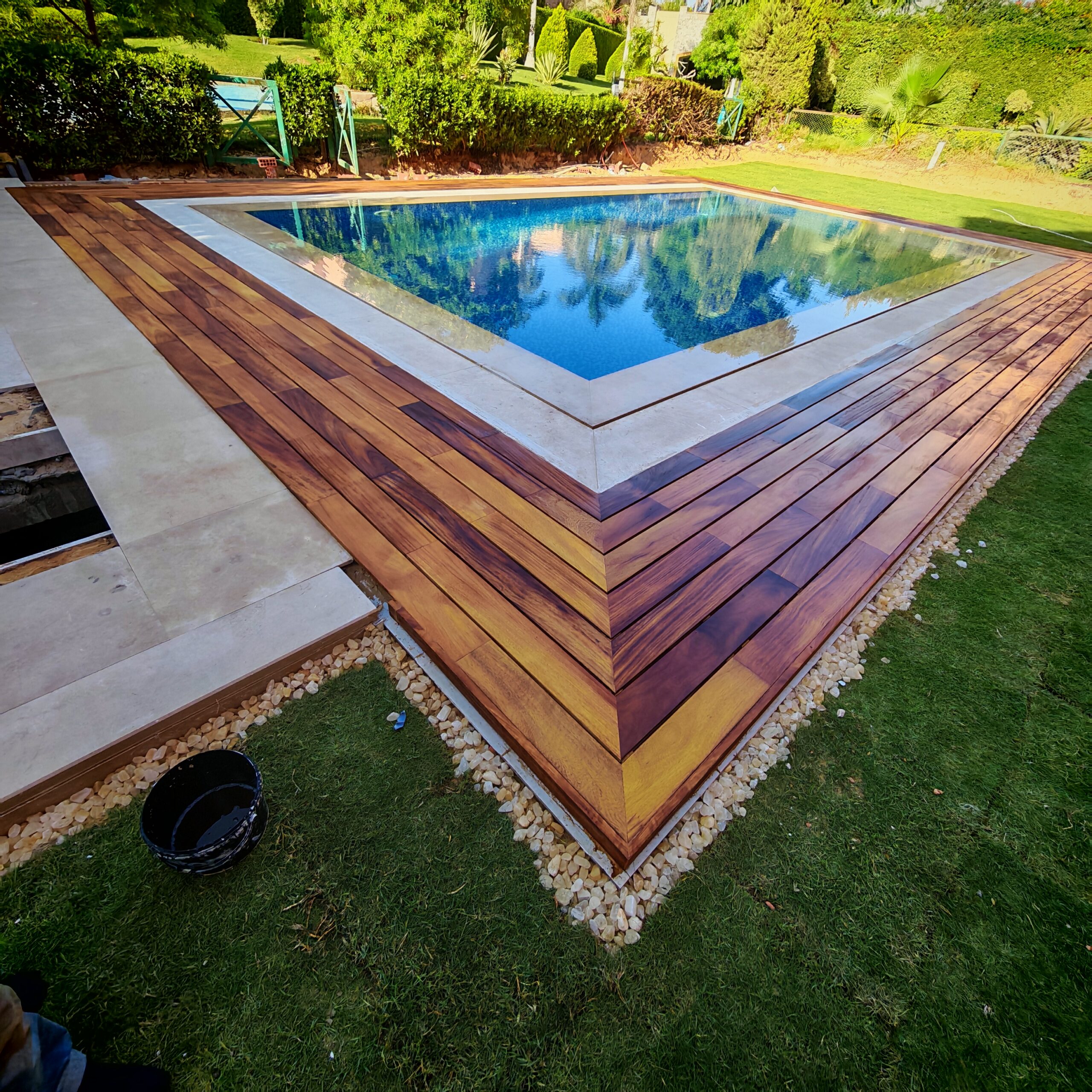
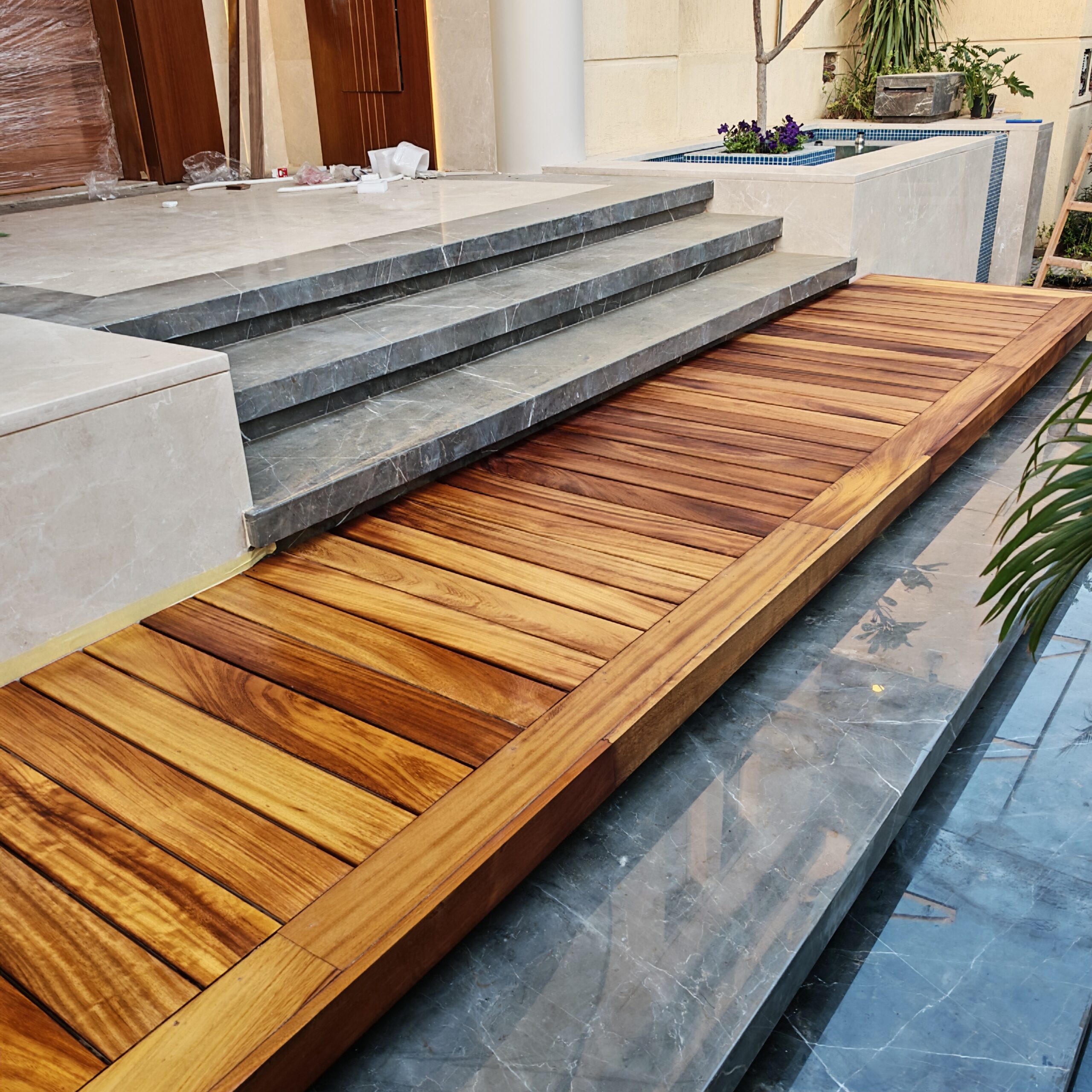
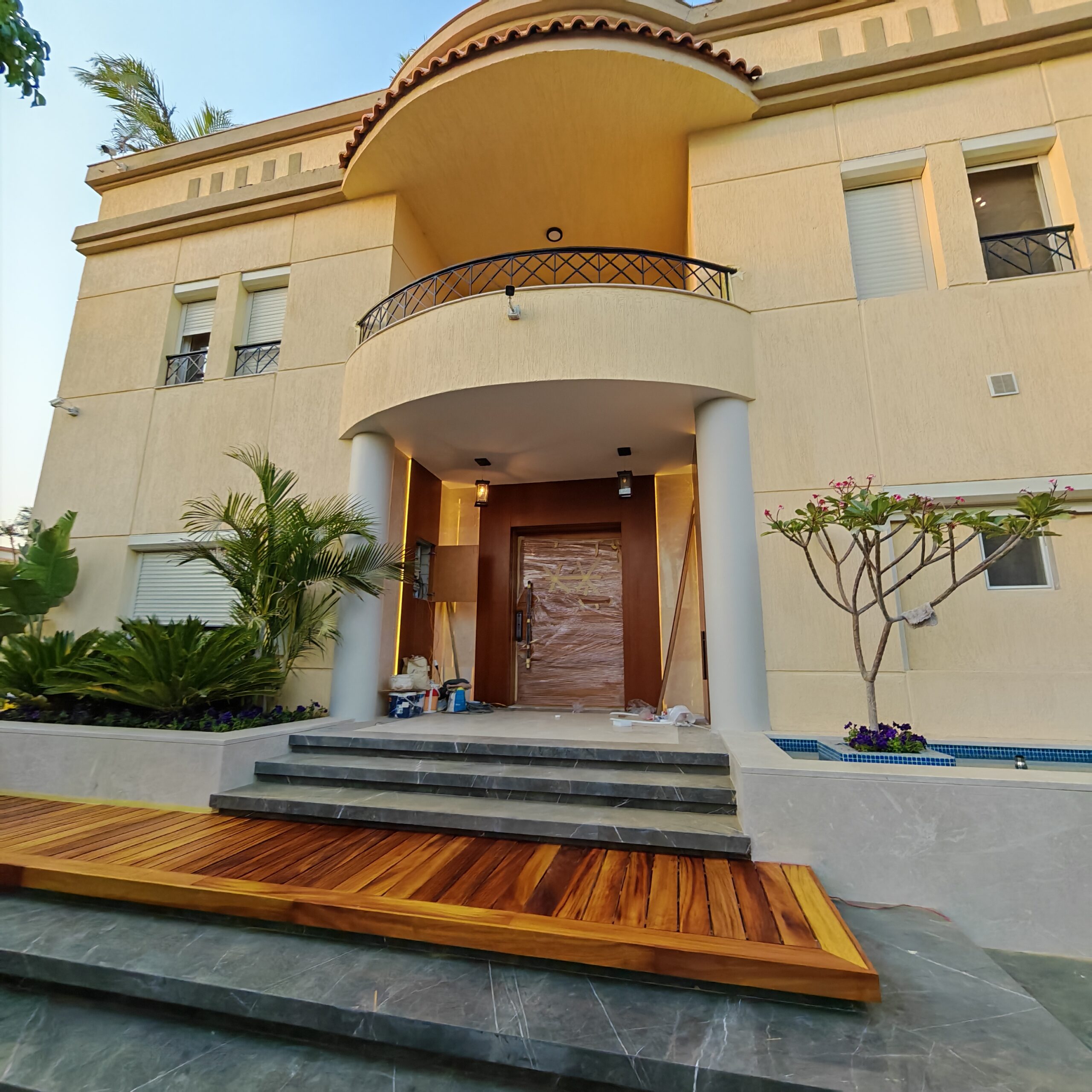
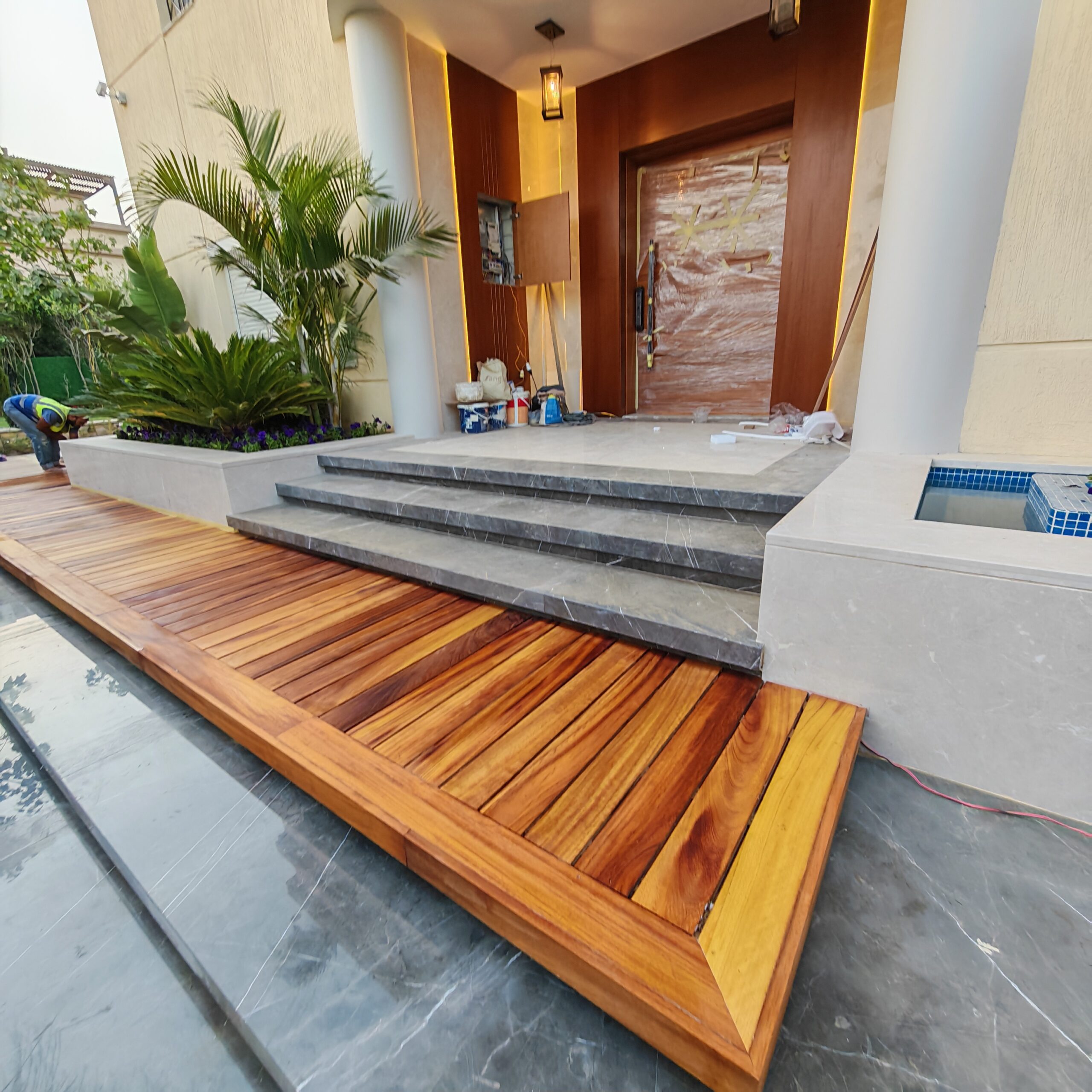
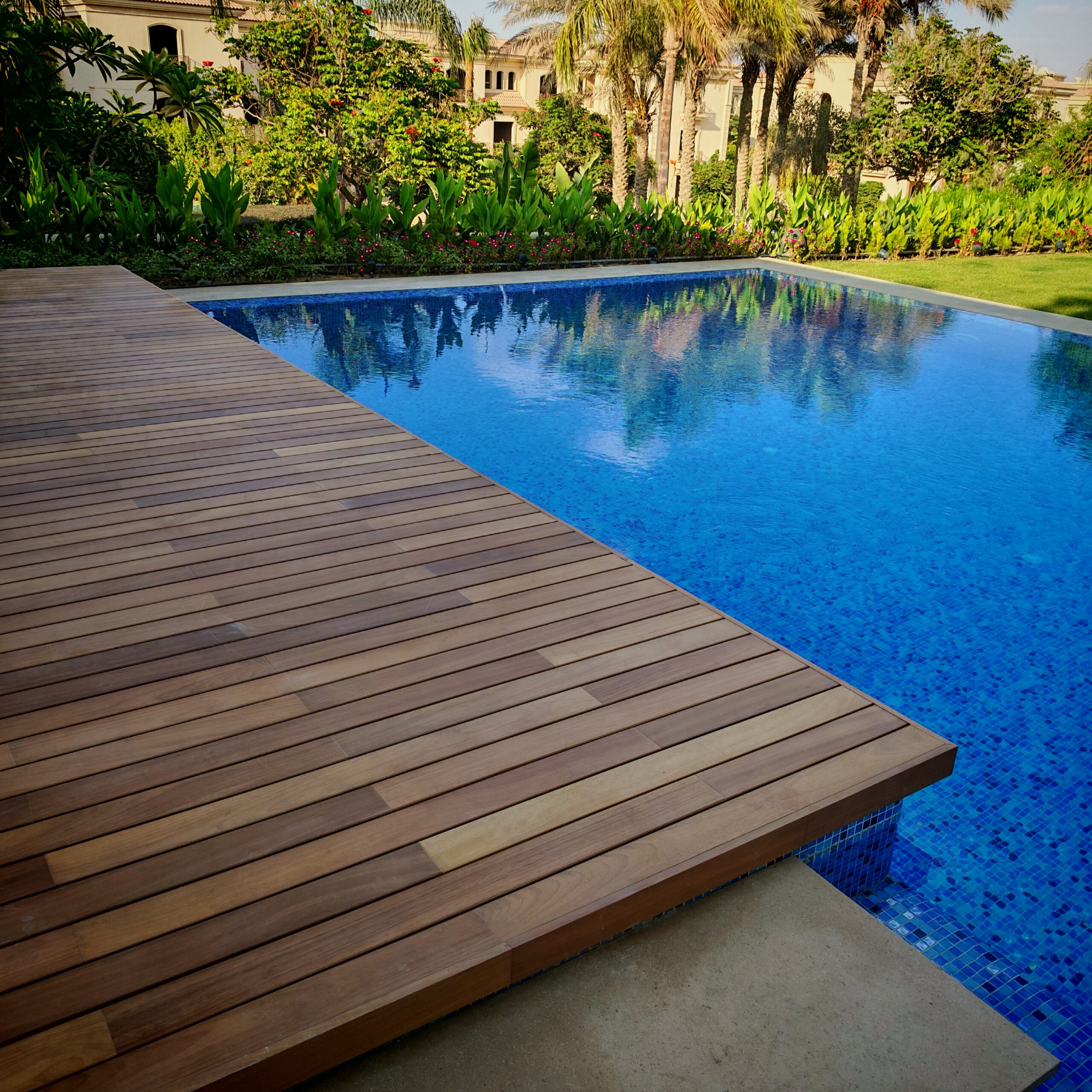
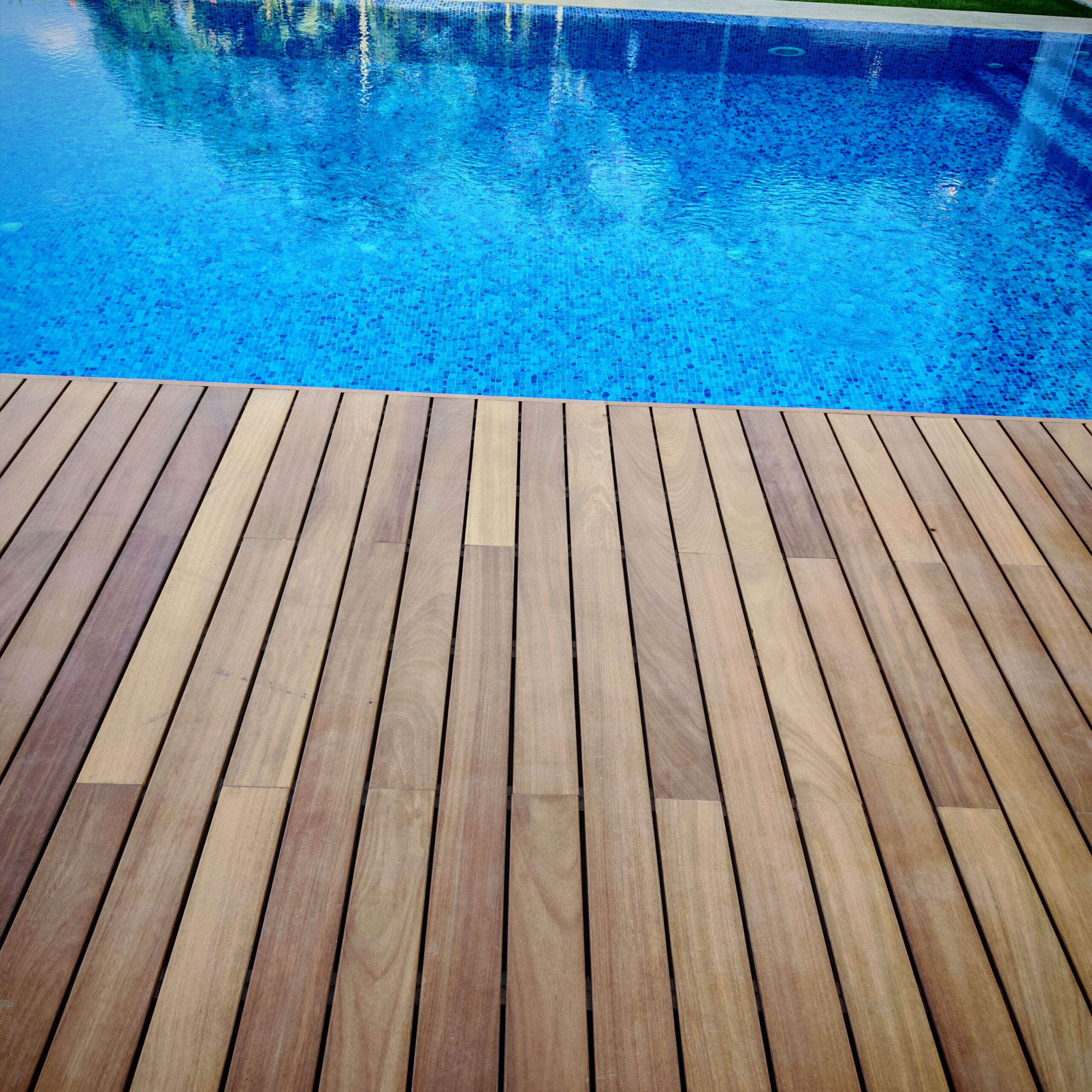
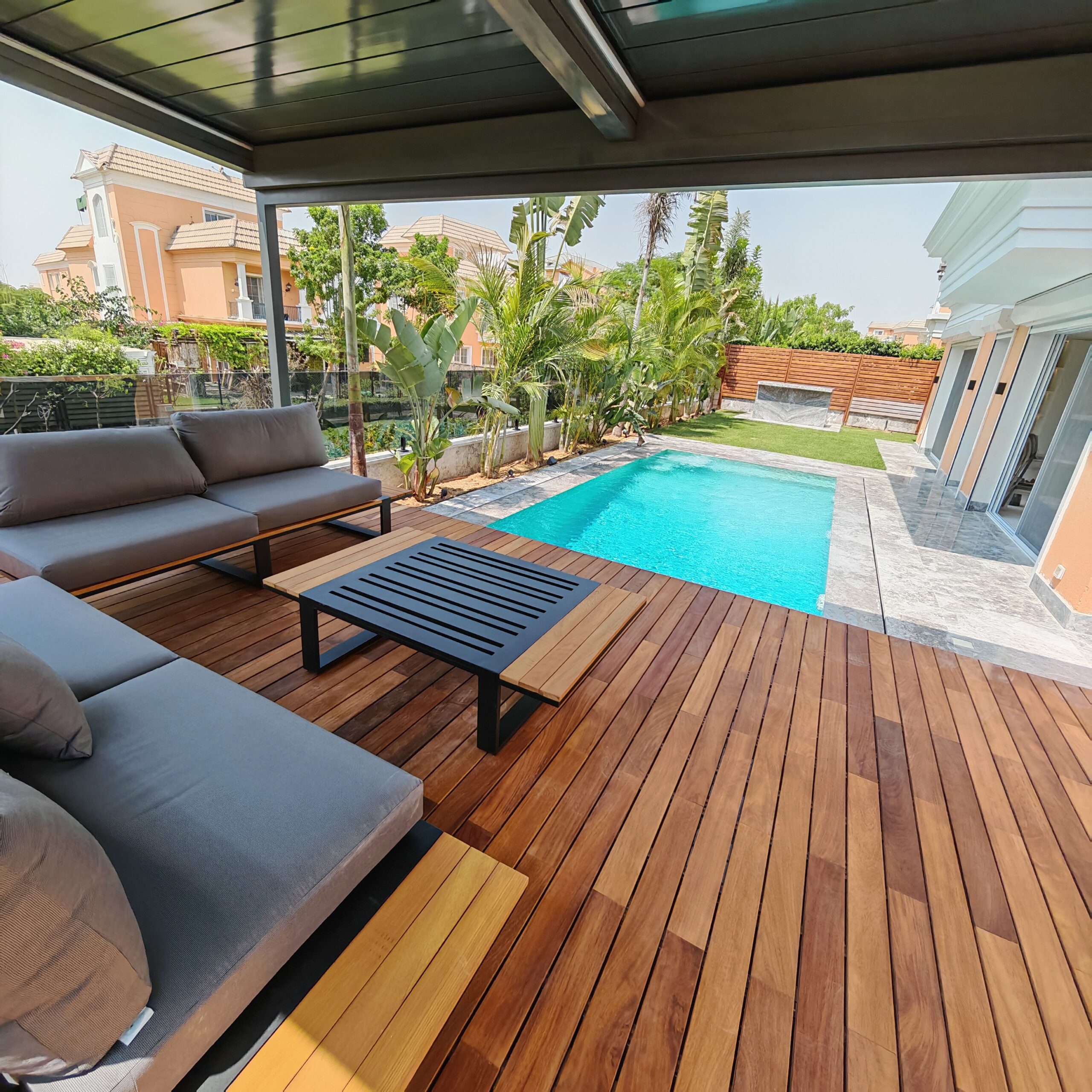
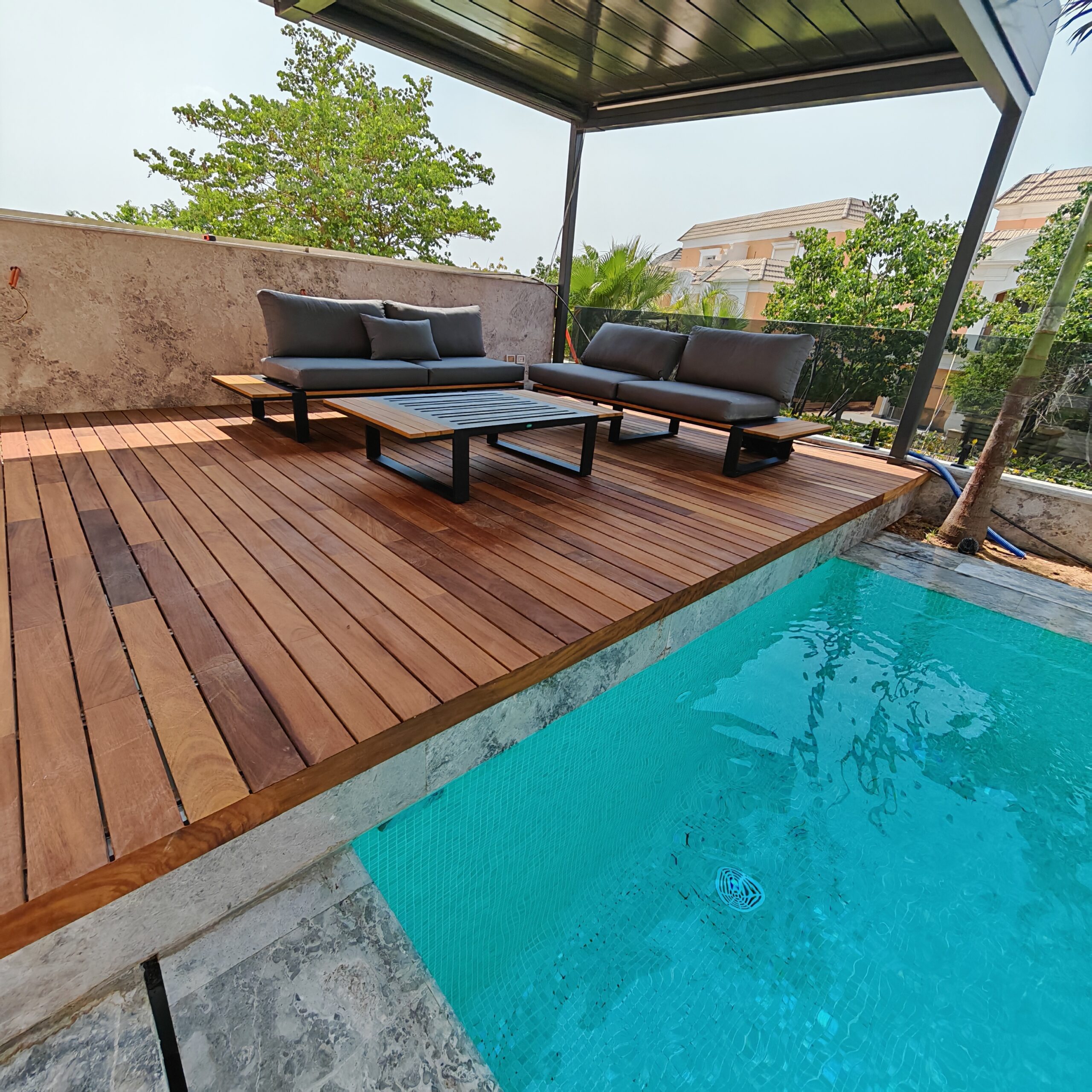
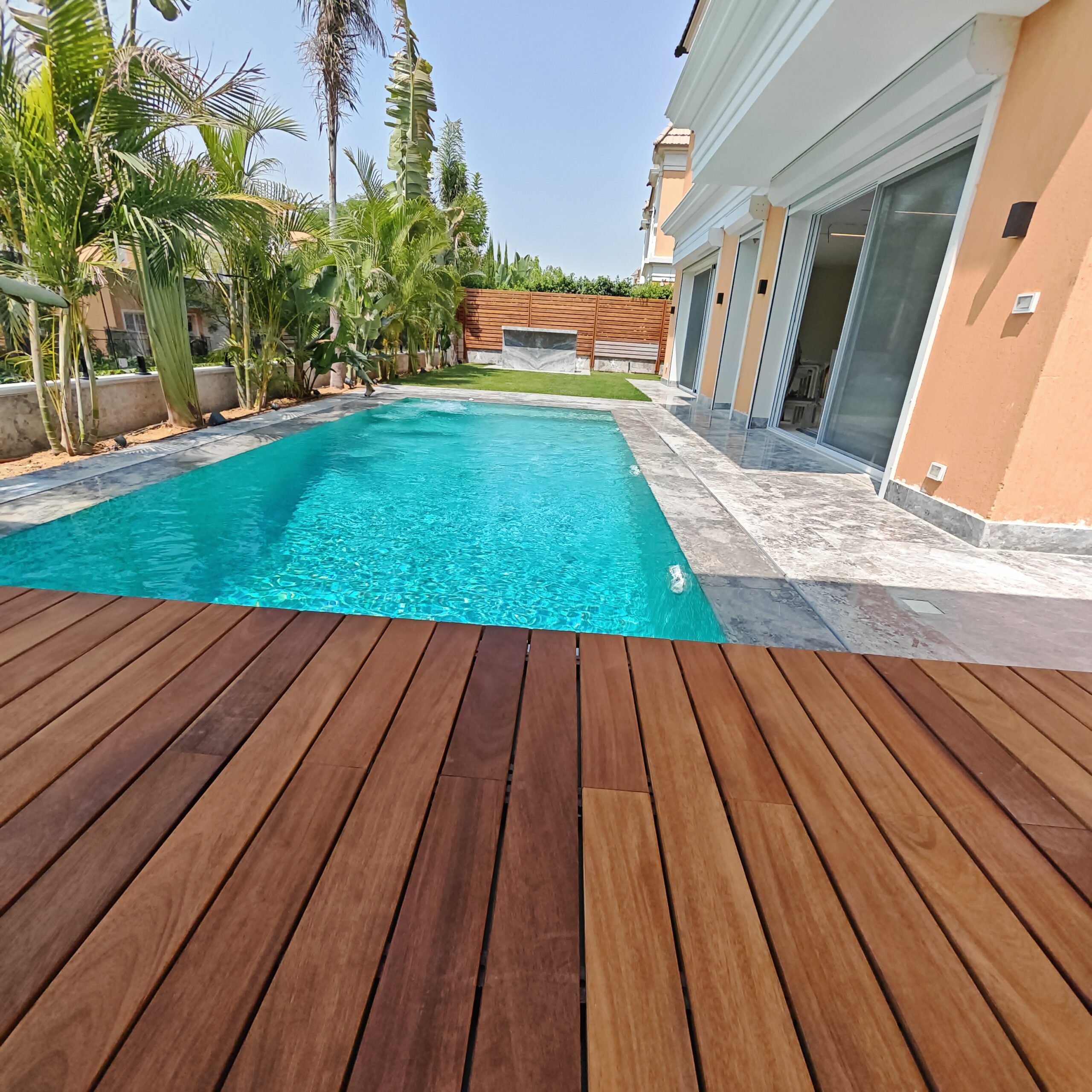
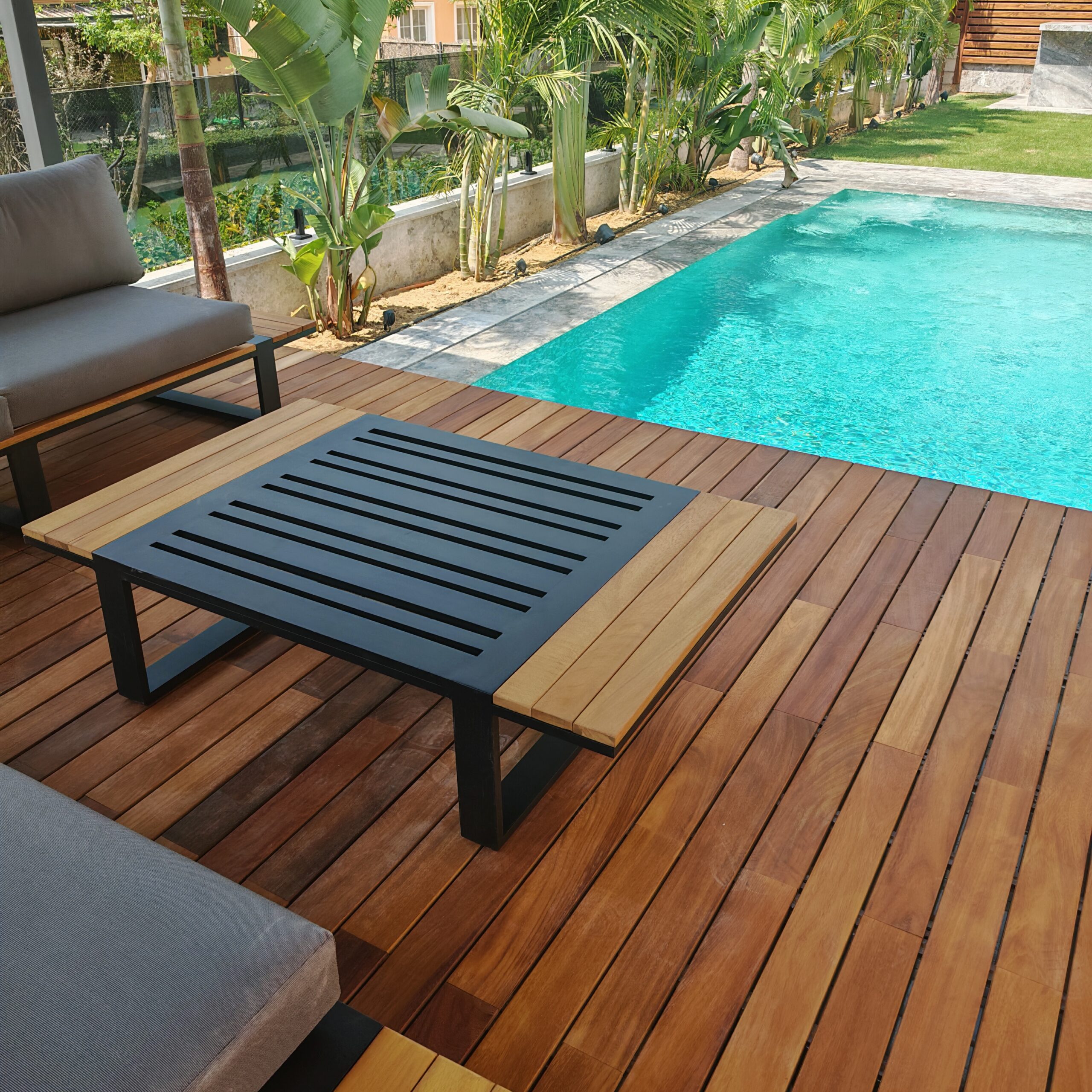
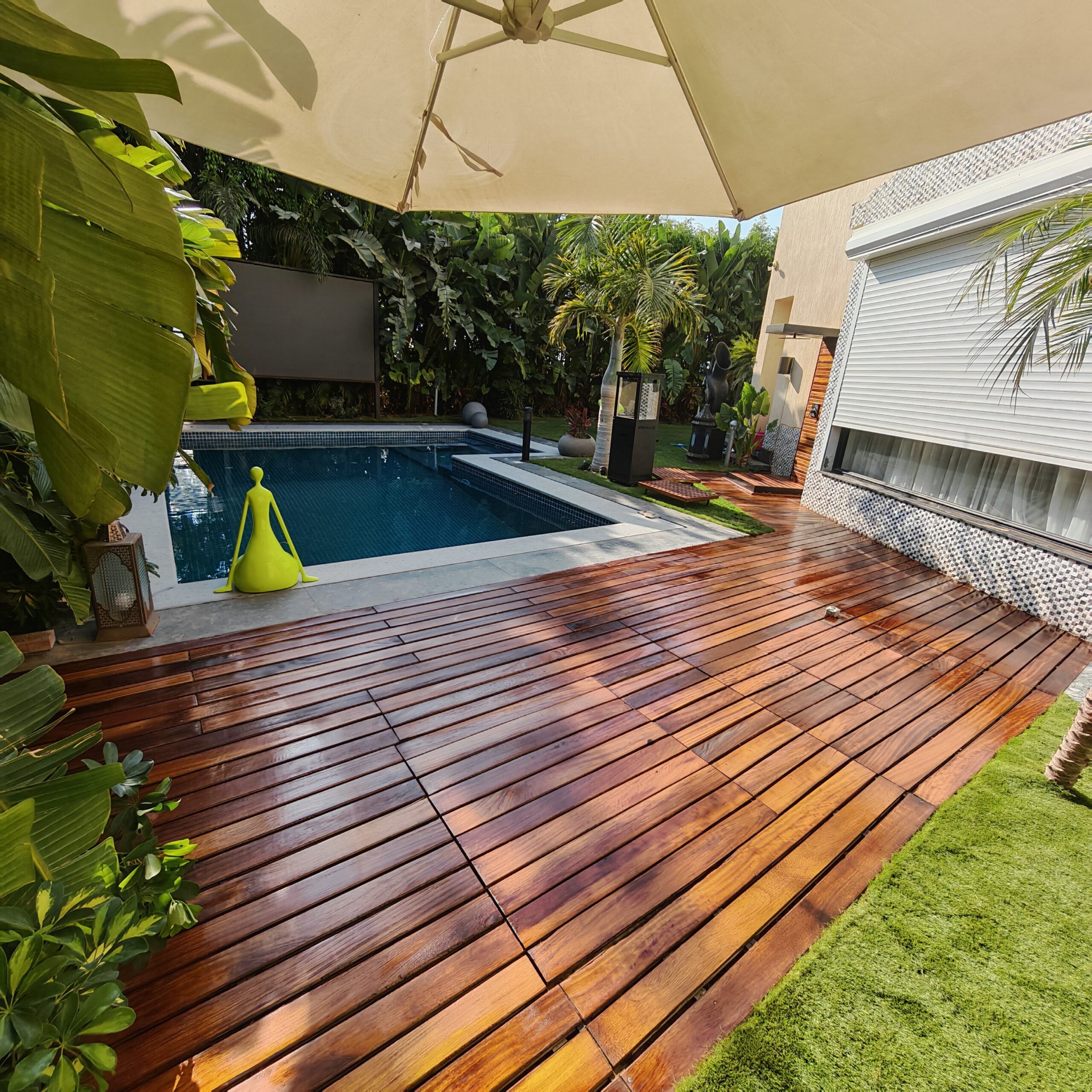
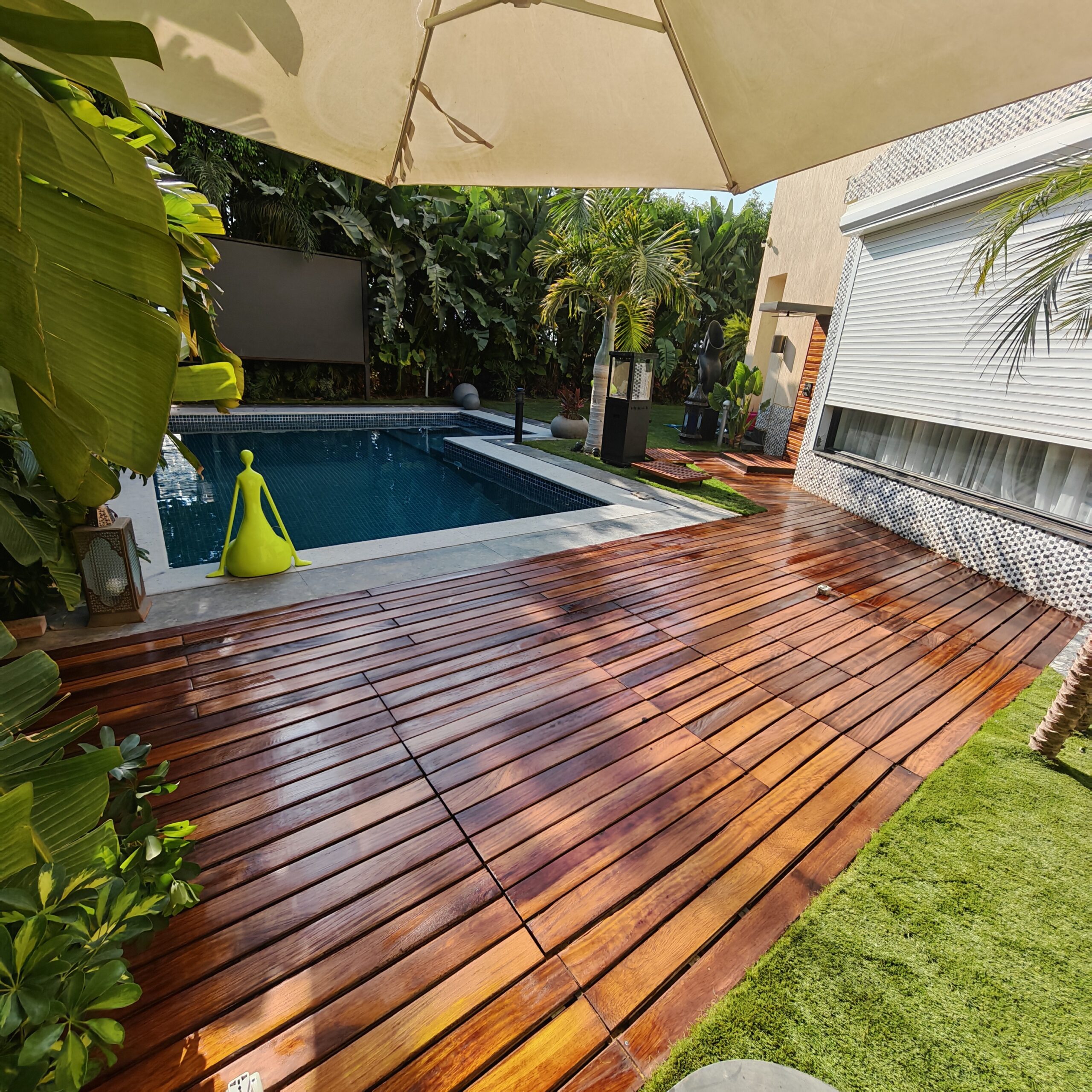
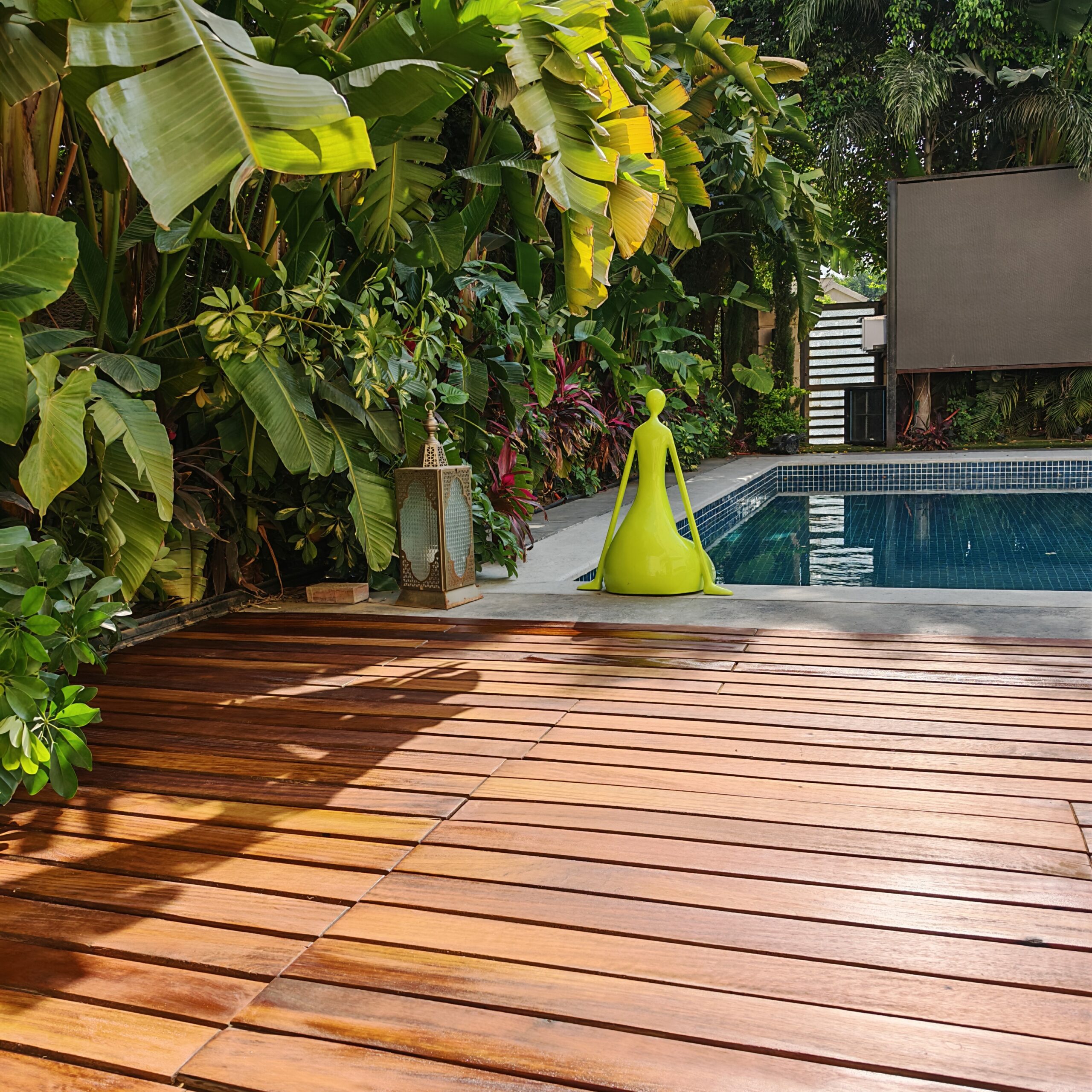
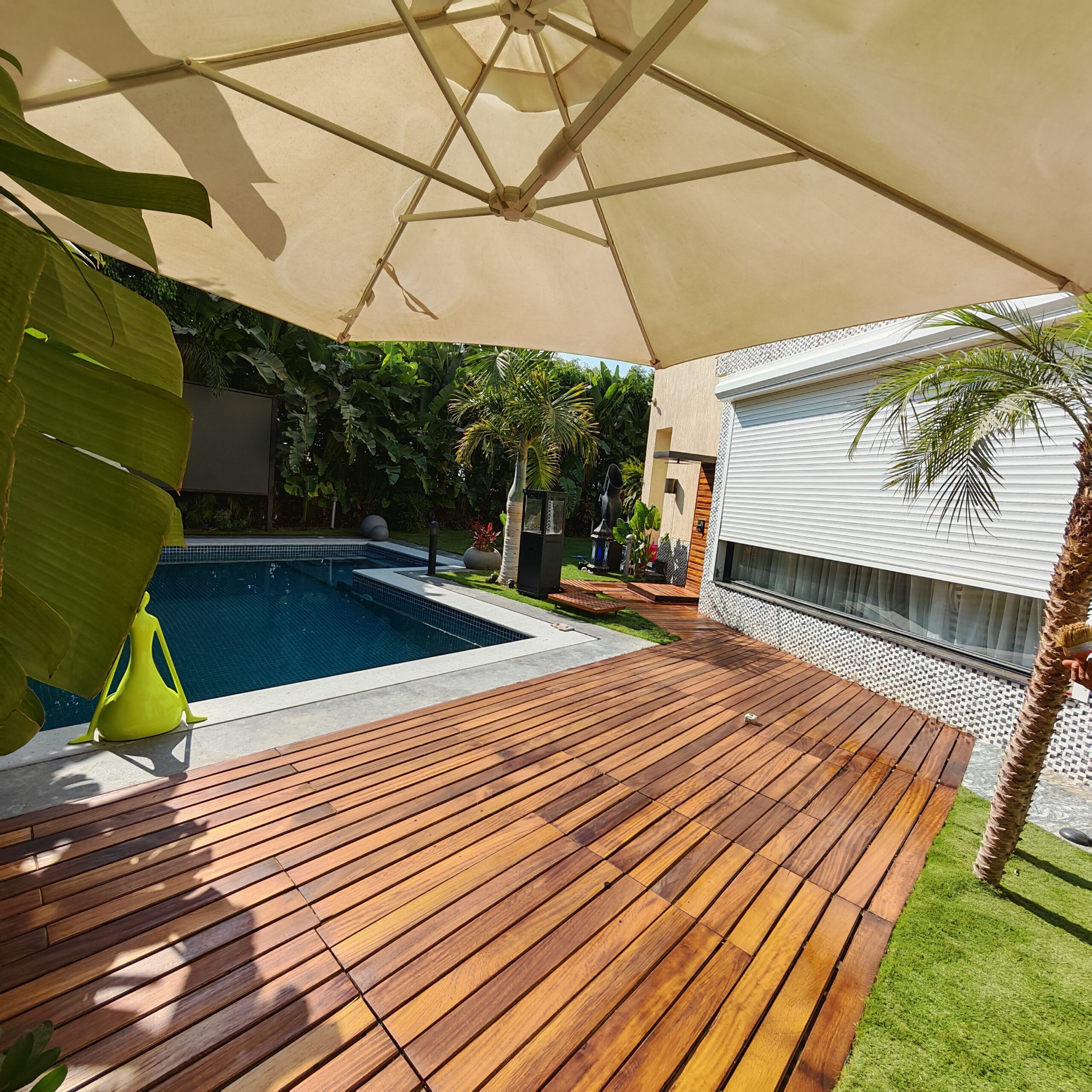
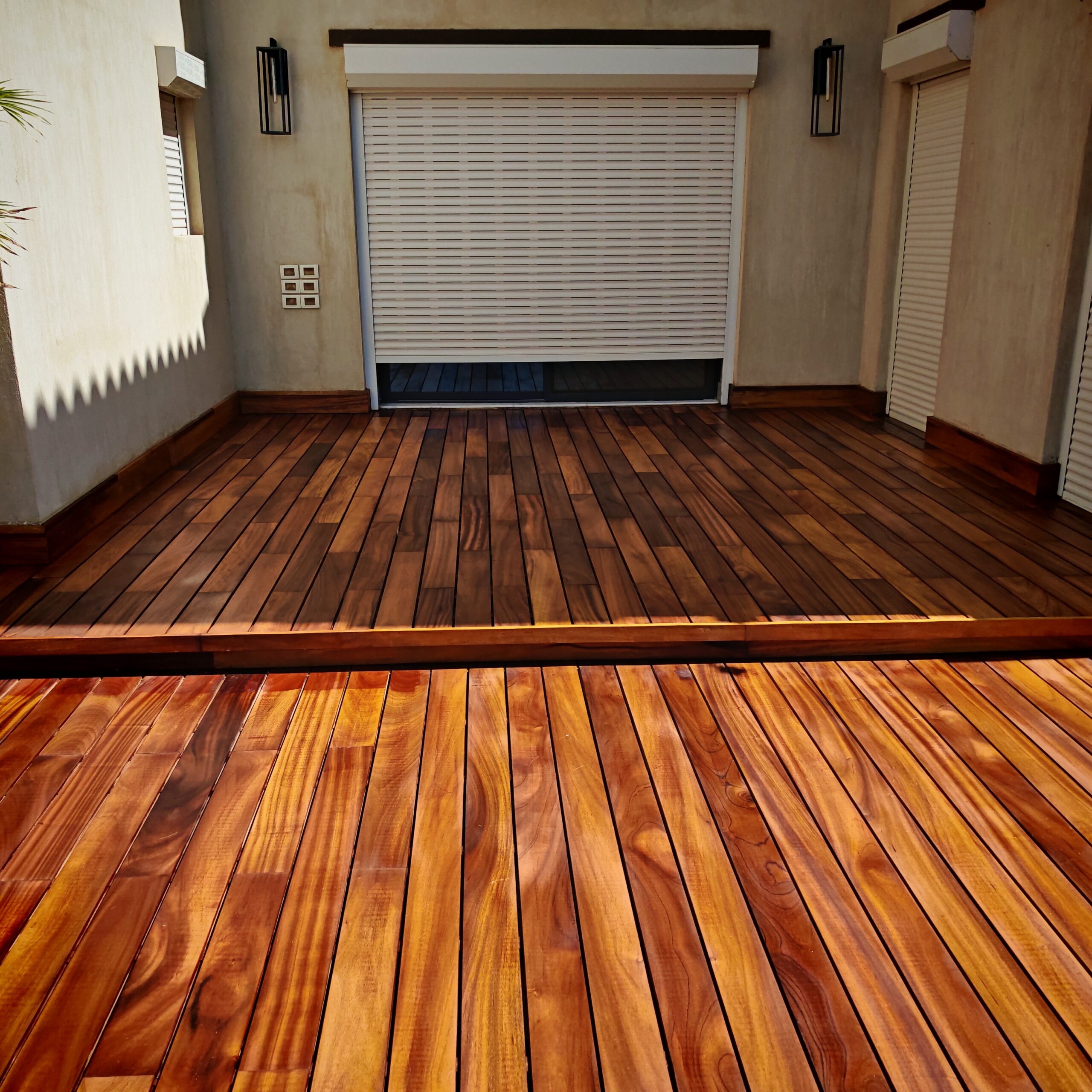
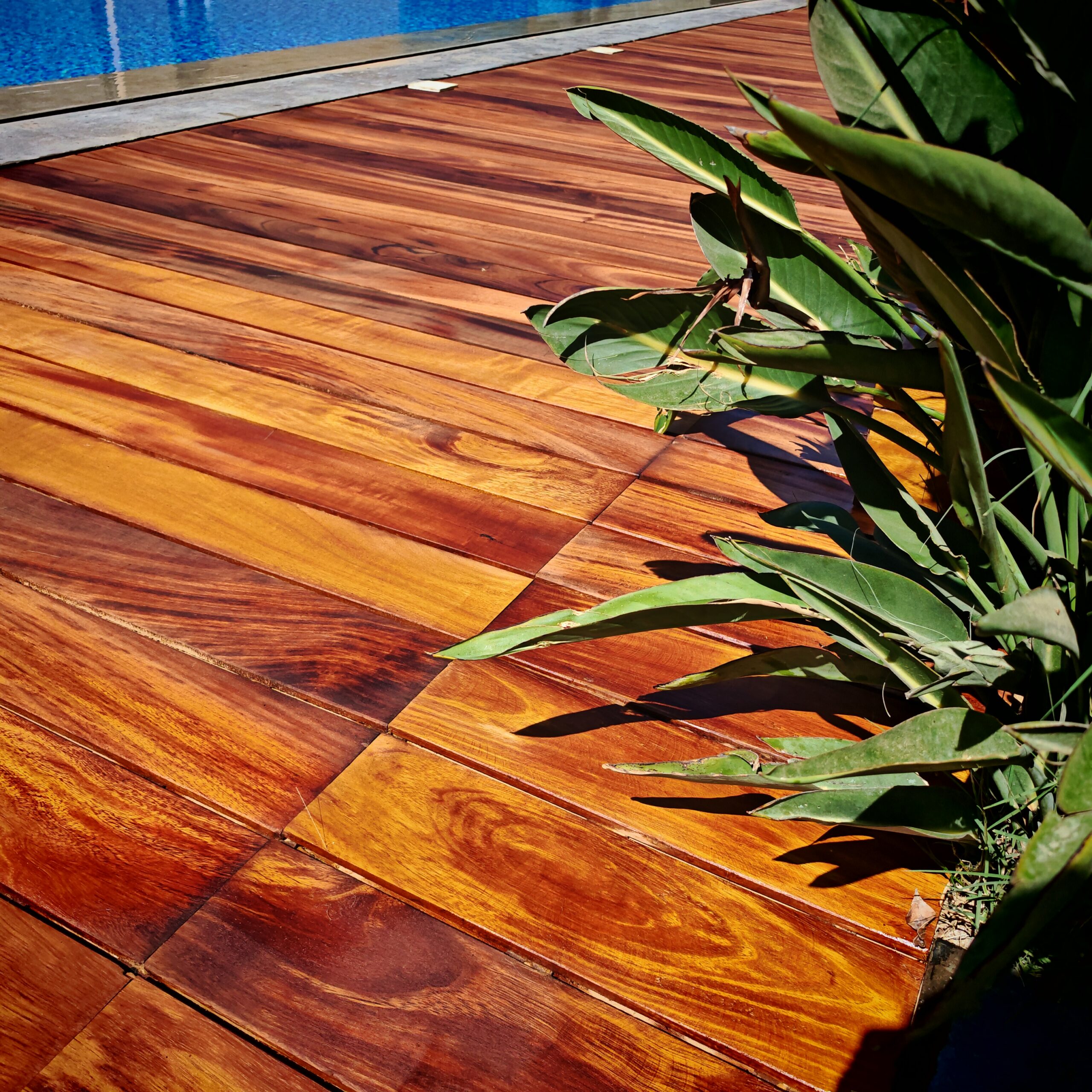
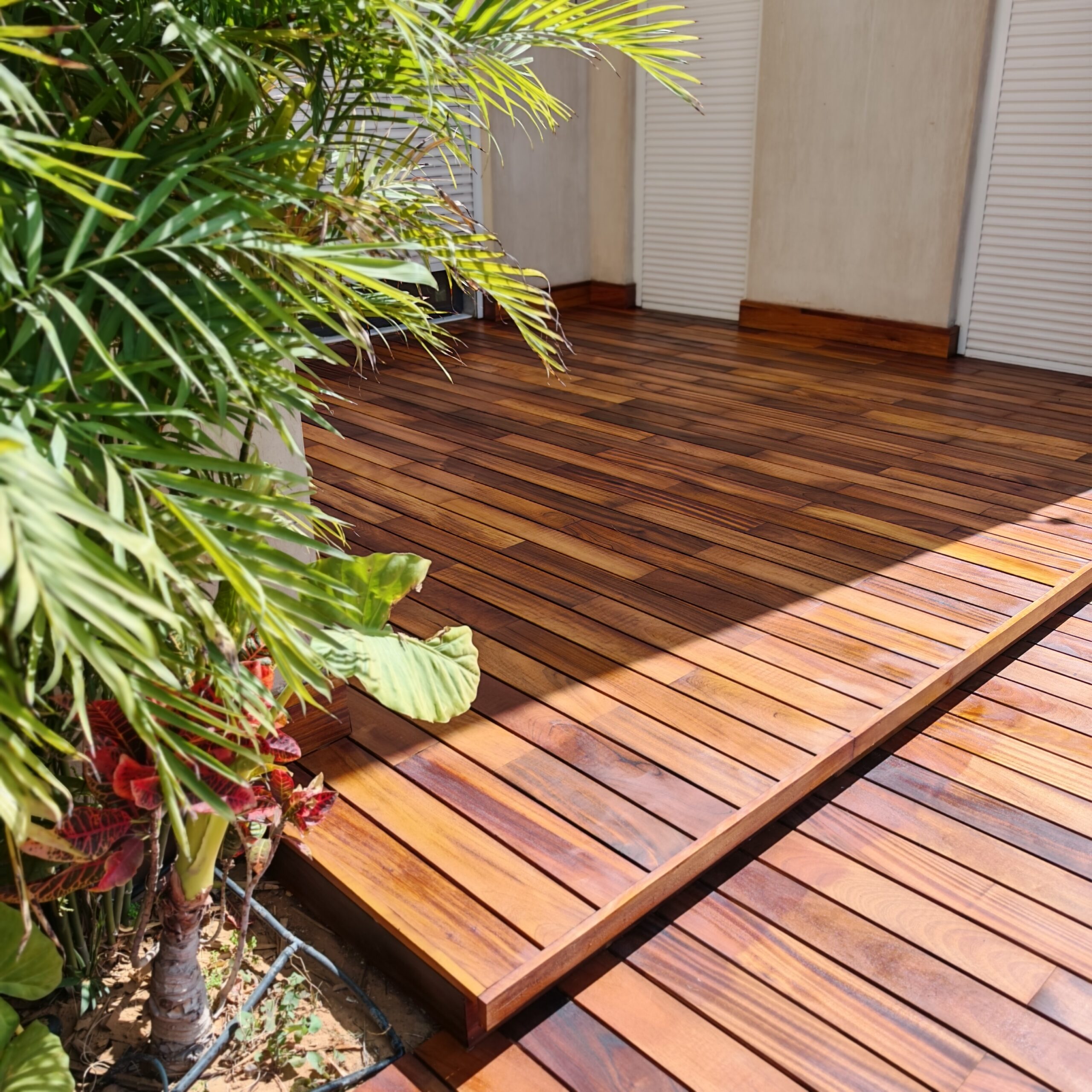
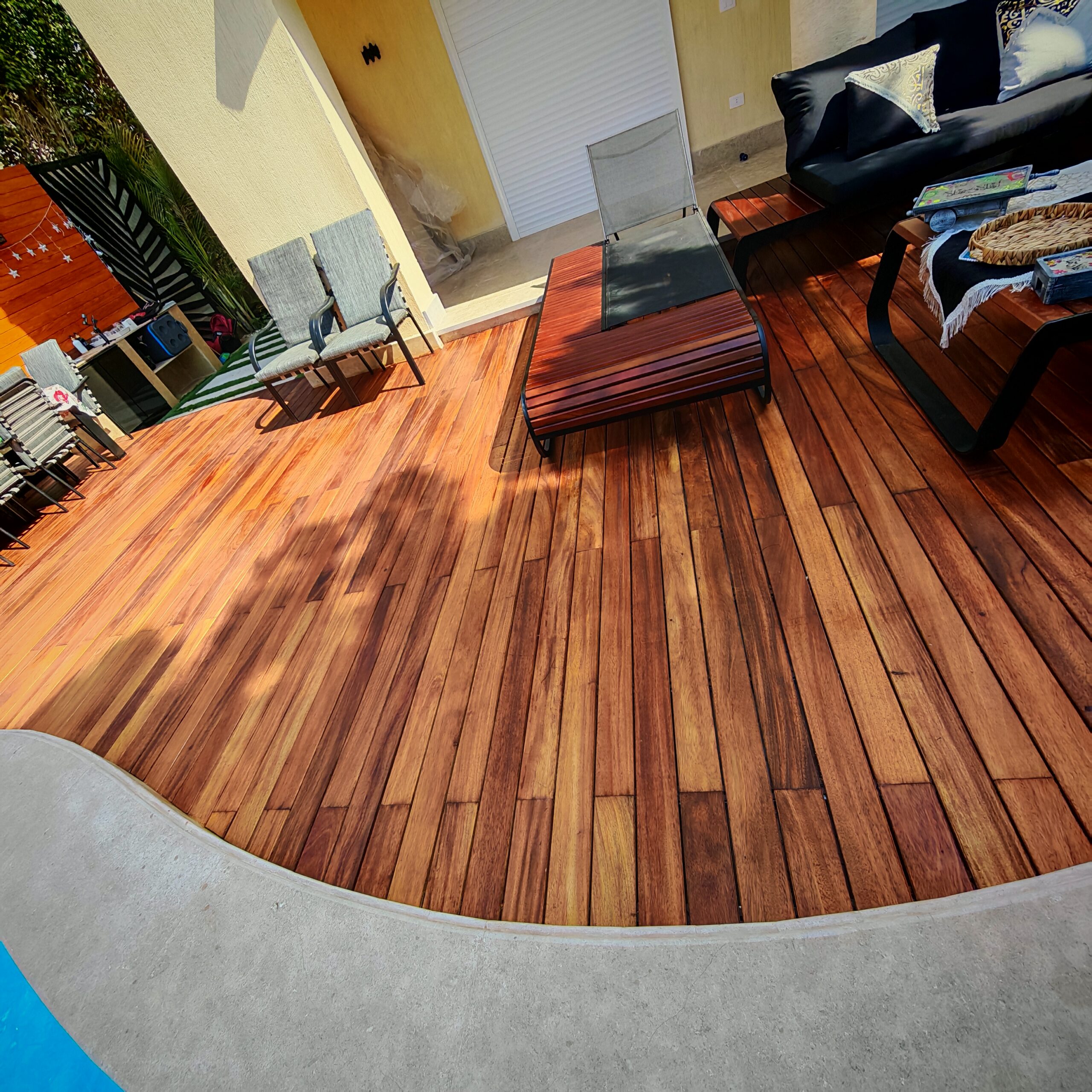
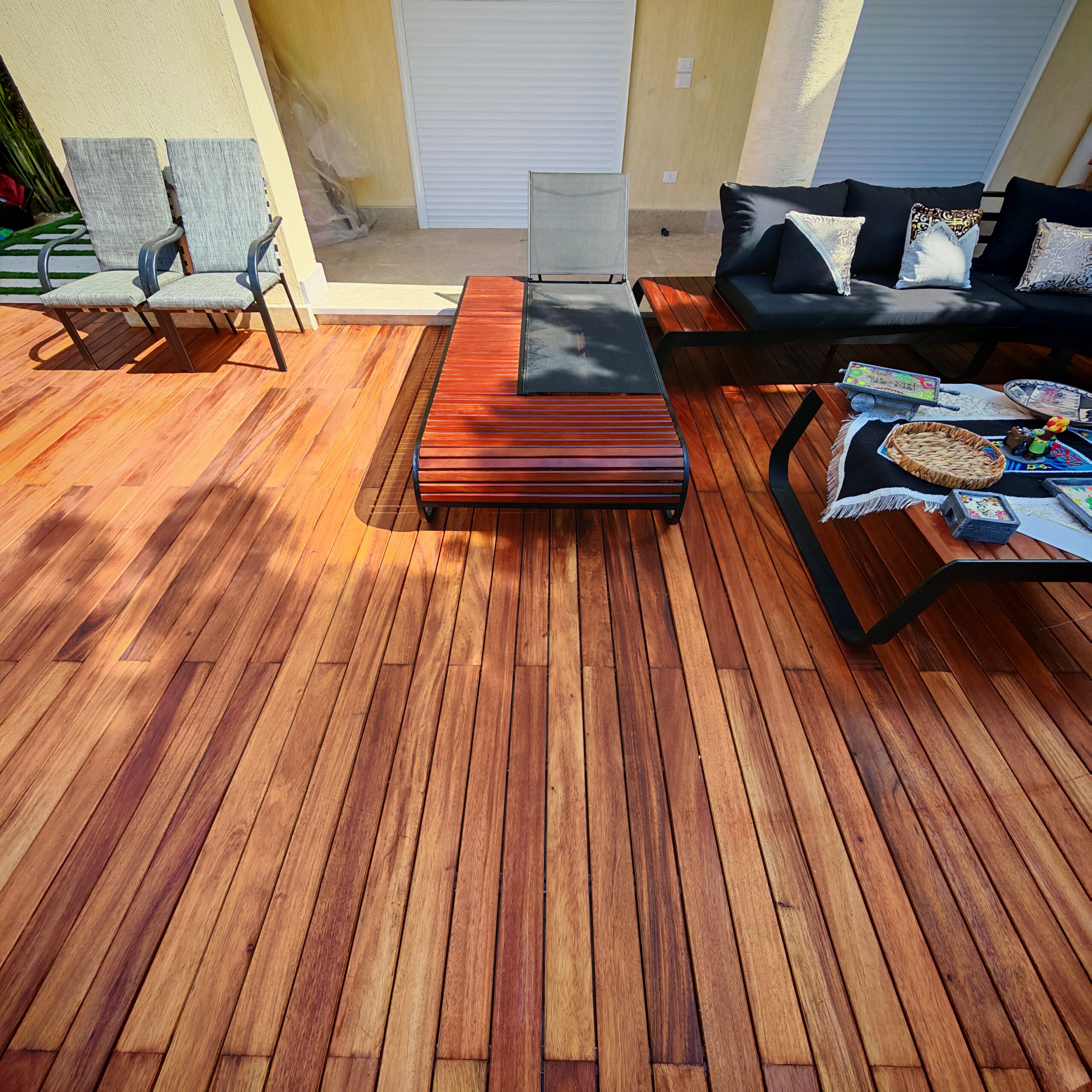
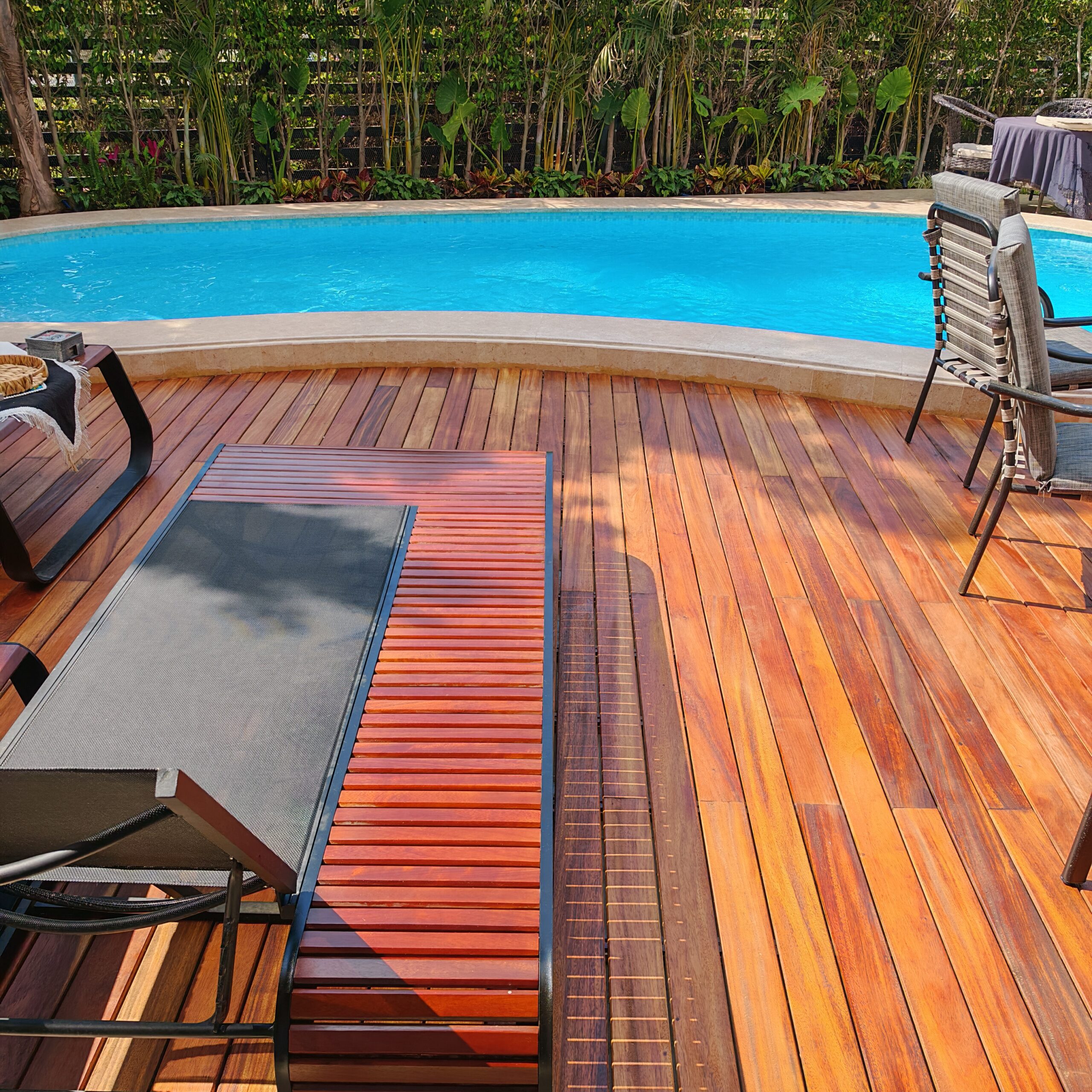
Enchanting Color Gradient: The wood begins with a vibrant yellow or light brown shade when freshly cut and processed. Upon exposure to light and air, its color beautifully matures into a rich, deep golden brown. This natural transformation gives floors and facades a dynamic, renewing character over time.
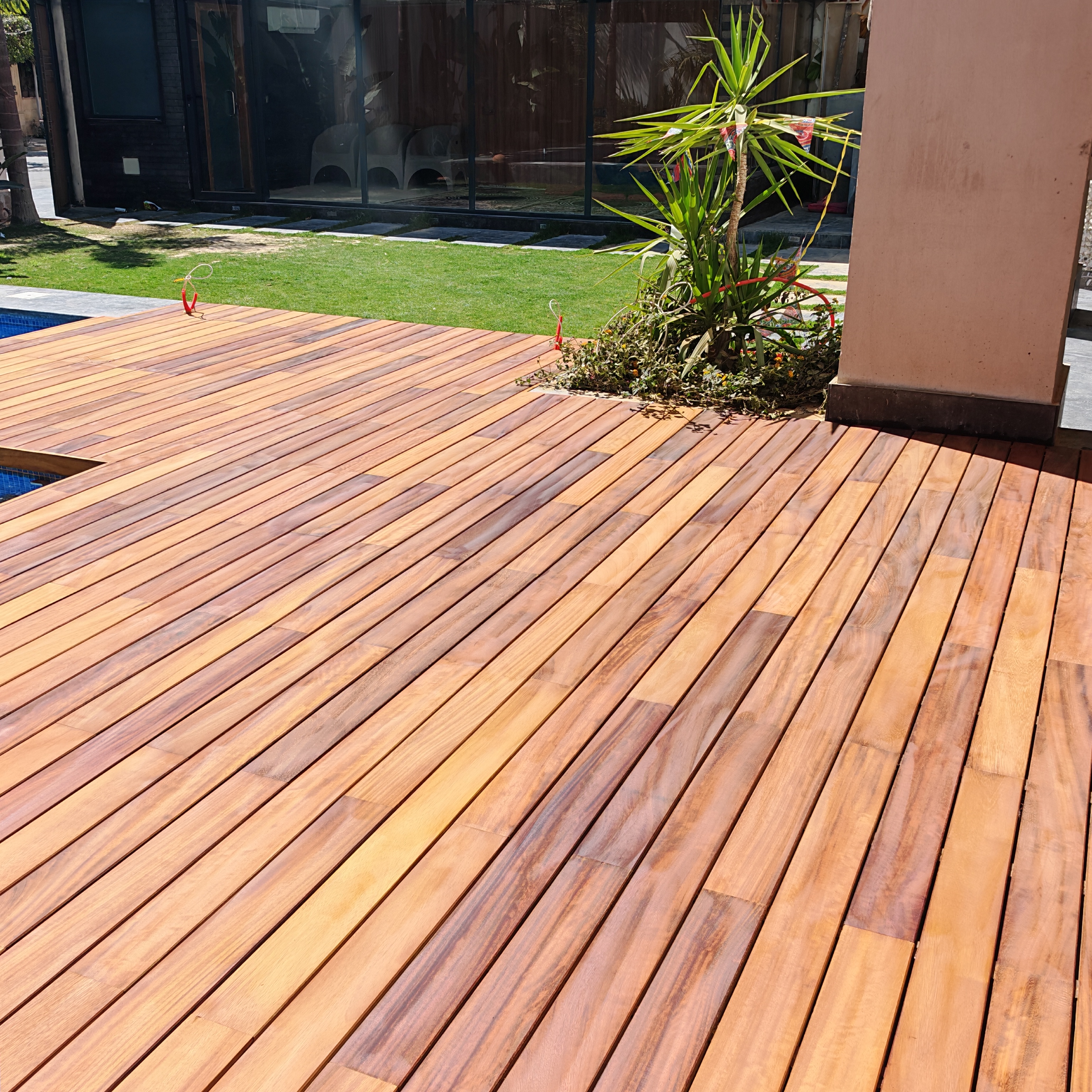
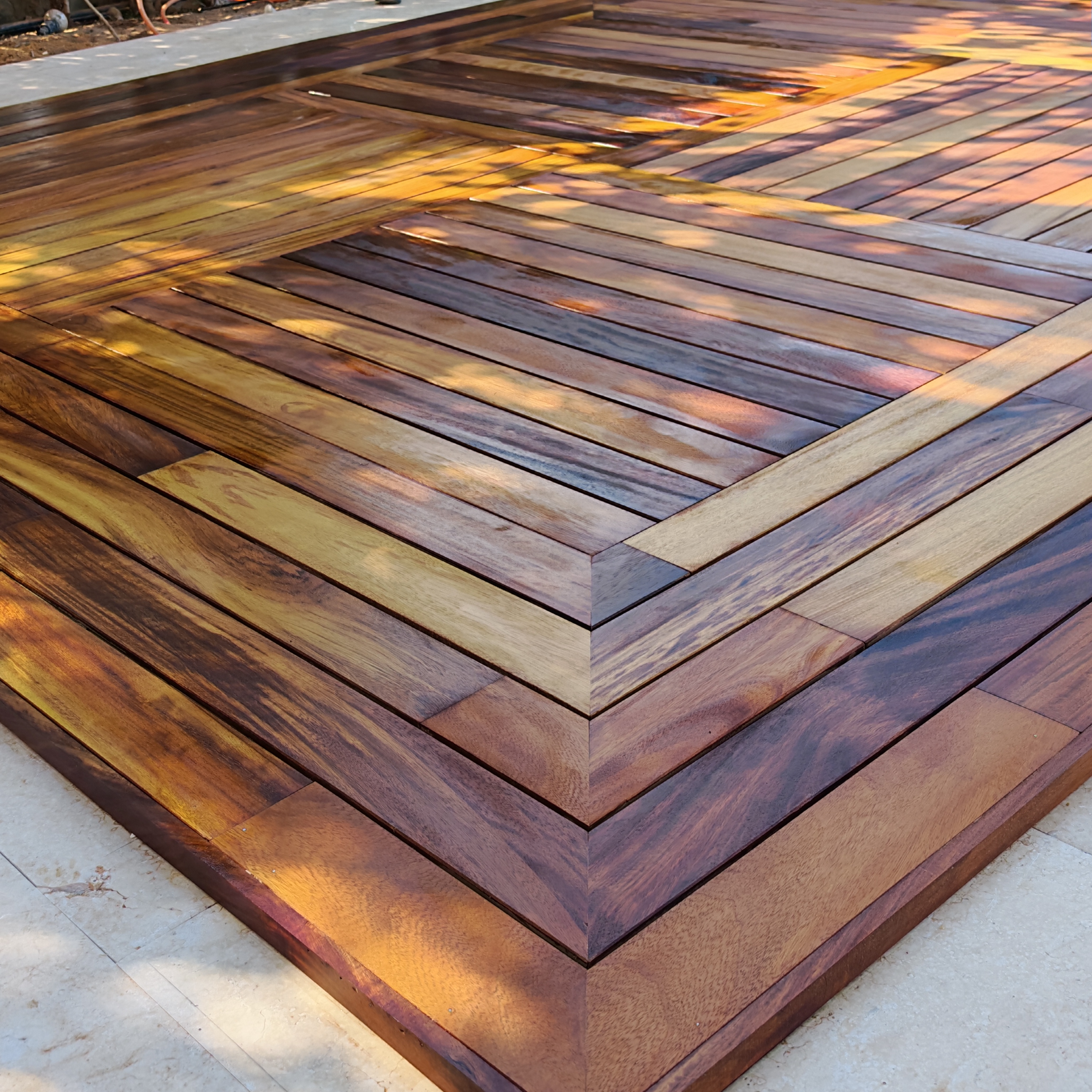
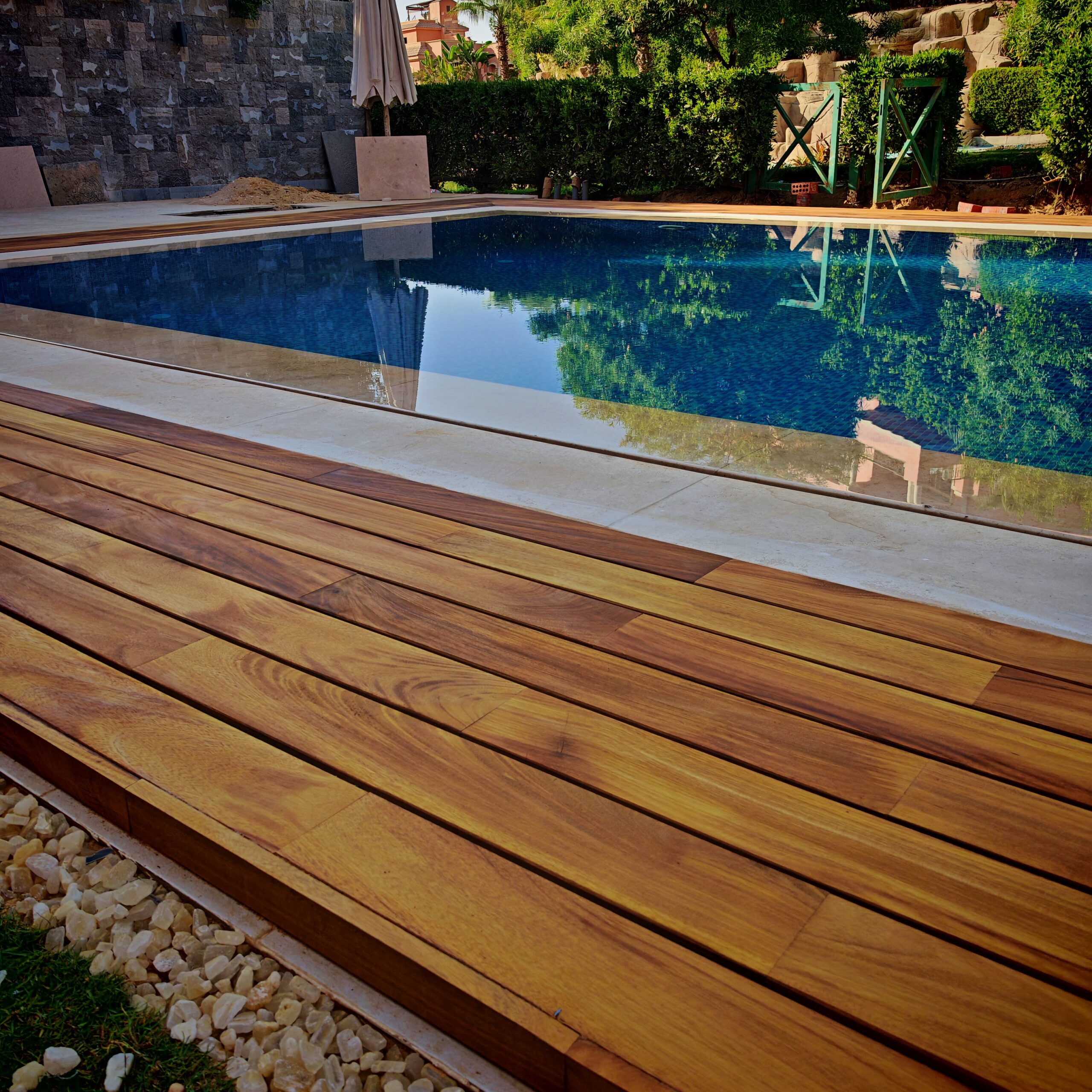
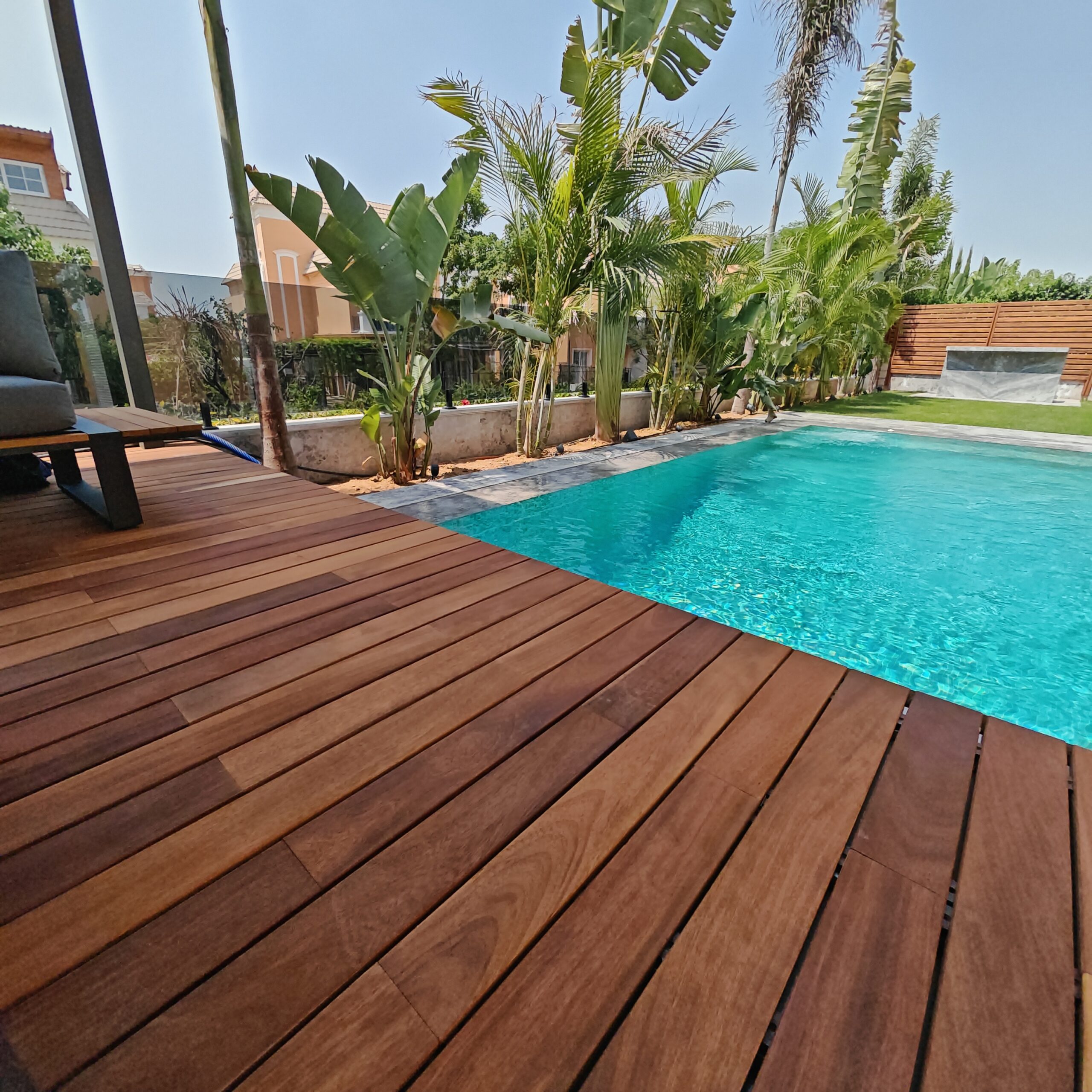
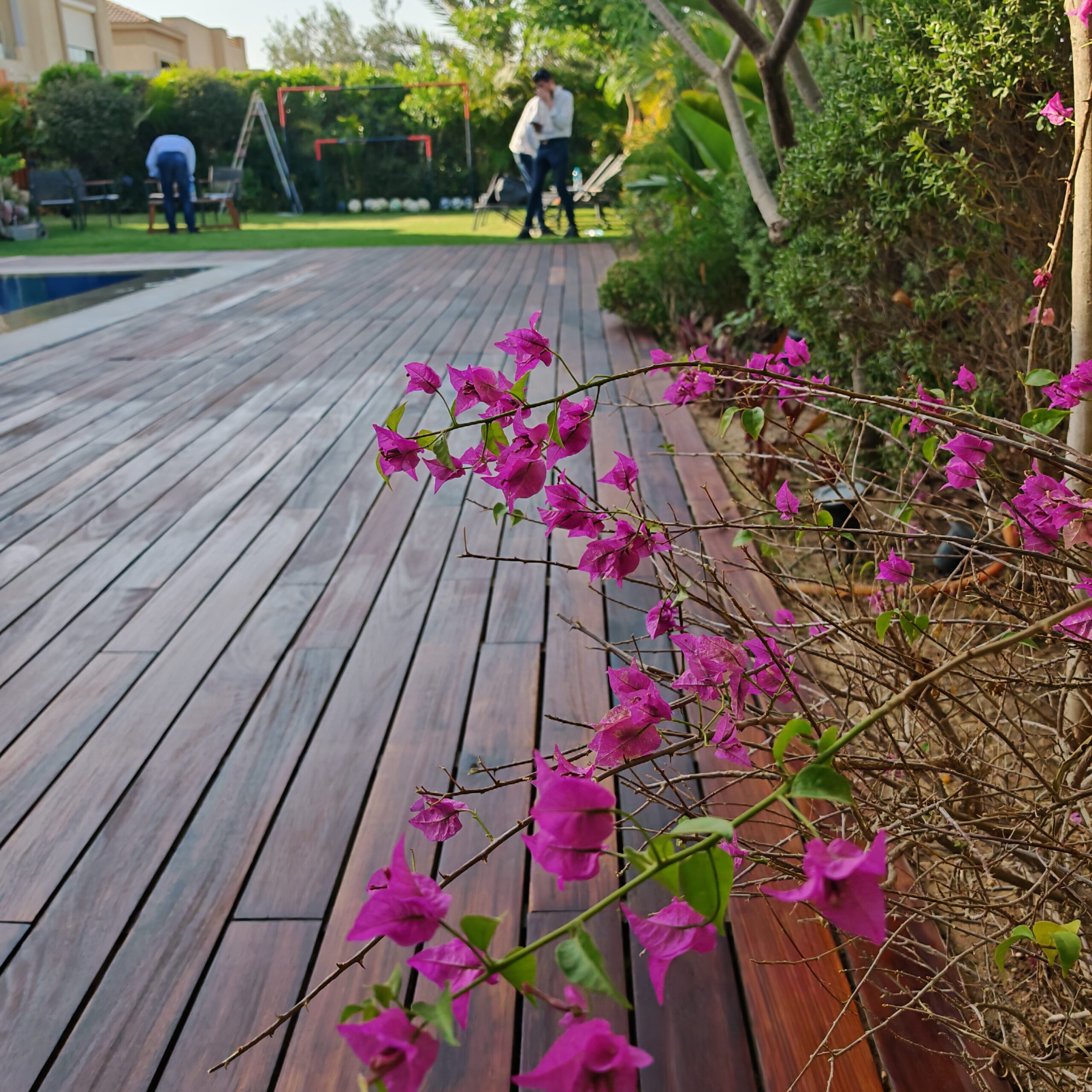
Interlocking Grains and Natural Patterns: It features distinctive ripples and interlocking wood grains that give it a unique, lively appearance. It has a smooth texture and a natural, attractive luster thanks to the oleoresins stored within its cells, eliminating the need for thick chemical coats that might mask its natural beauty.
Exceptional Hardness and Natural Resistance to Moisture and Rot
The beauty of Teak Iroko is not just skin-deep; it is backed by physical strength that naturally protects it against elements of decay:
Immunity to Moisture and Water: The wood contains a very high concentration of natural oils and resins that act as an internal barrier. These materials prevent the wood from absorbing water, meaning it is completely impossible to rot or breed mold and bacteria—the most critical feature when used in areas directly exposed to moisture.
Fixed Dimensional Stability: Unlike traditional woods that expand in summer and contract in winter, causing gaps or cupping, Teak Iroko is characterized by its exceptional dimensional stability. It withstands extreme thermal weather fluctuations without warping or changing shape.
Resistance to Insects and Decay: Thanks to its natural chemical composition, this wood is an inherent repellent to termites and wood-boring insects, ensuring its fibers remain strong and cohesive without the need for complex, periodic chemical treatments.
The Ultimate Choice for Outdoor and Coastal Spaces
Thanks to this masterclass combination of hardness and moisture resistance, Teak Iroko has become the preferred material in high-end projects, specifically:
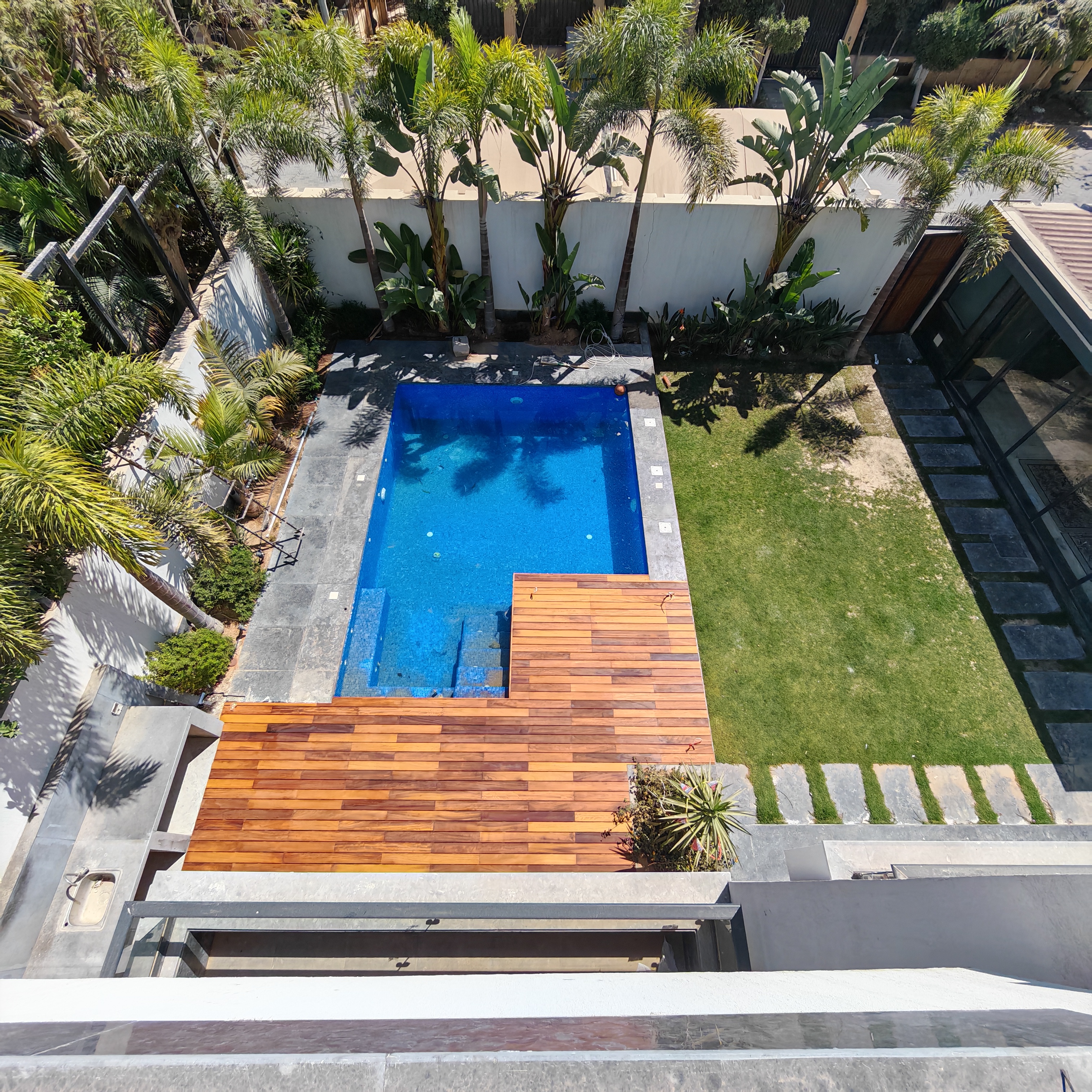
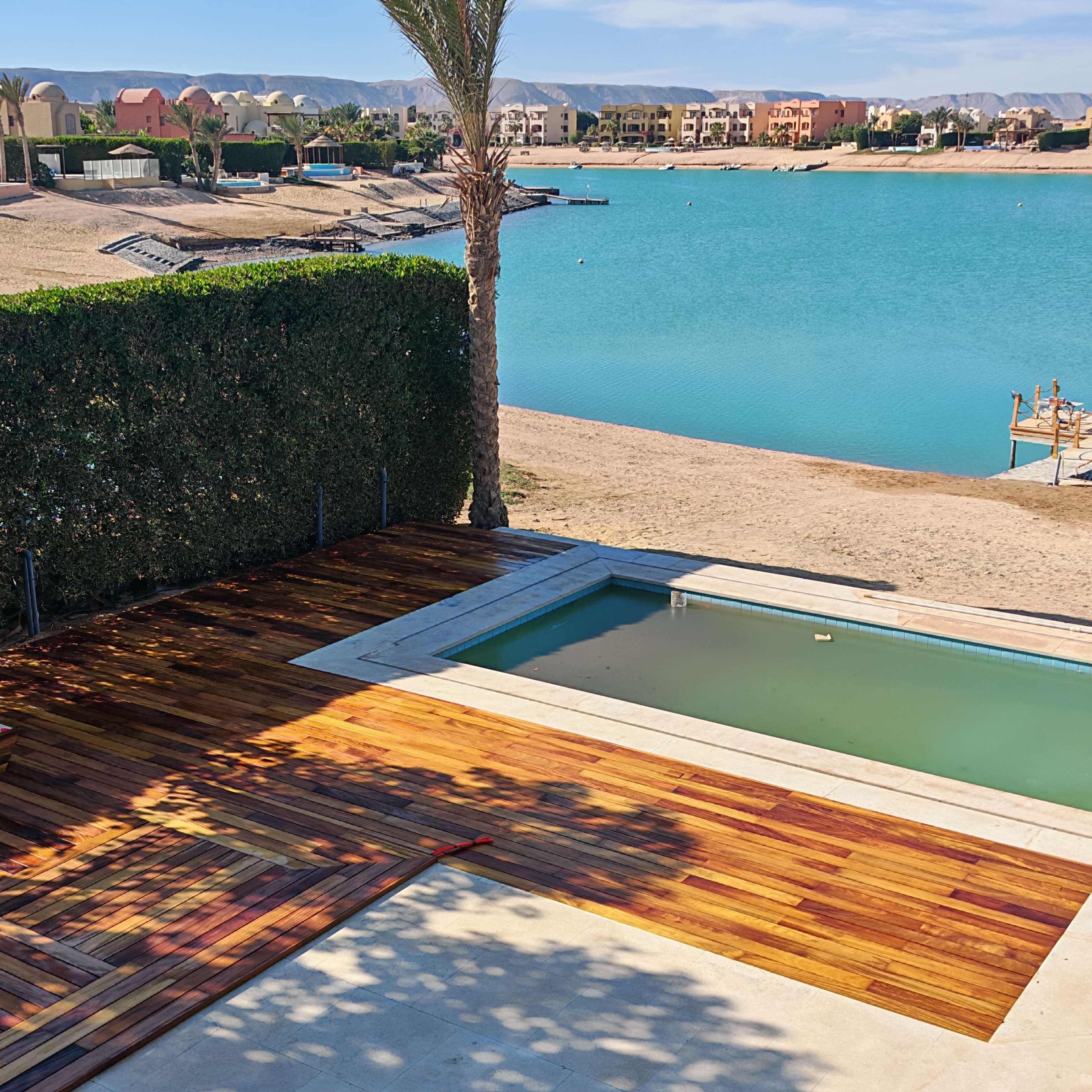
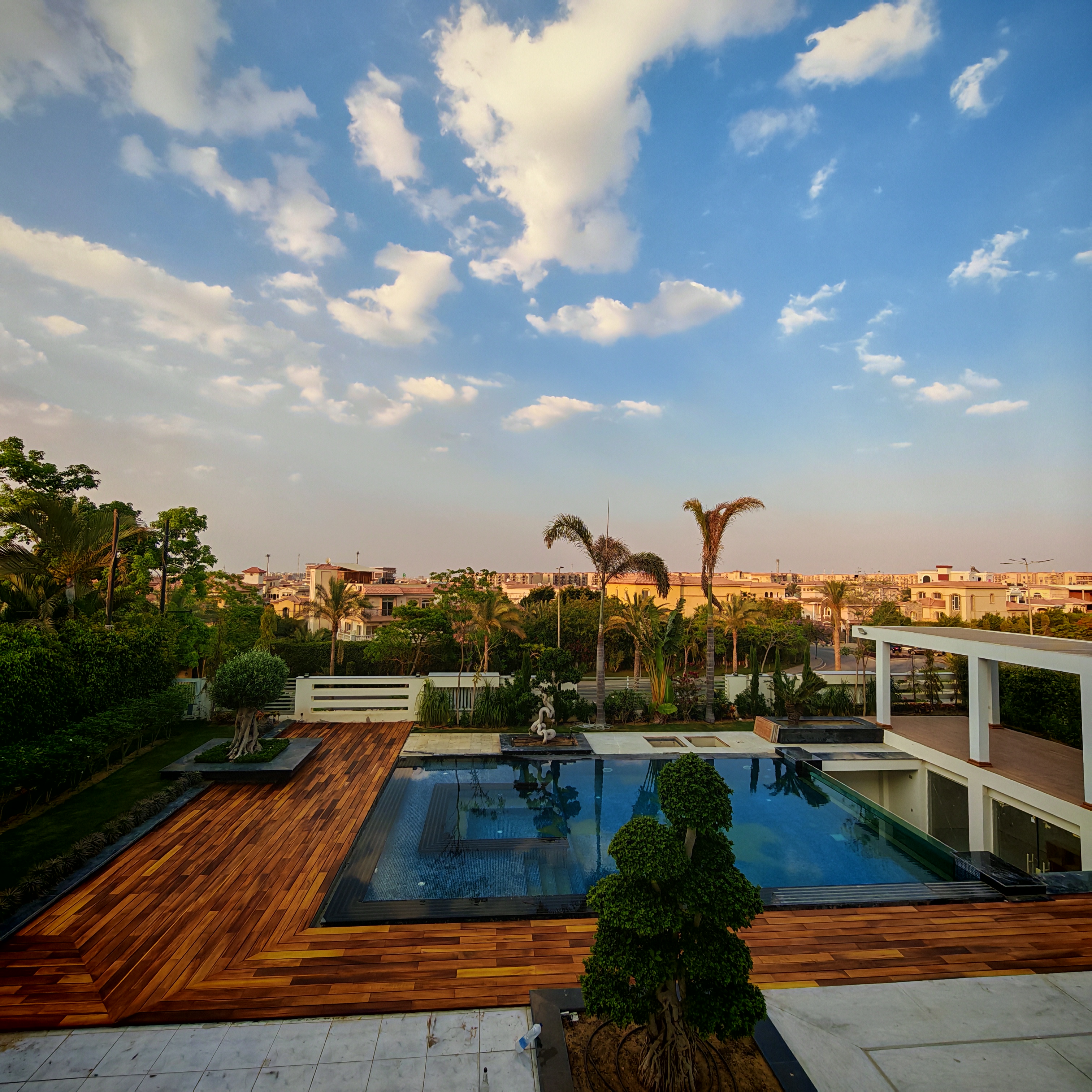
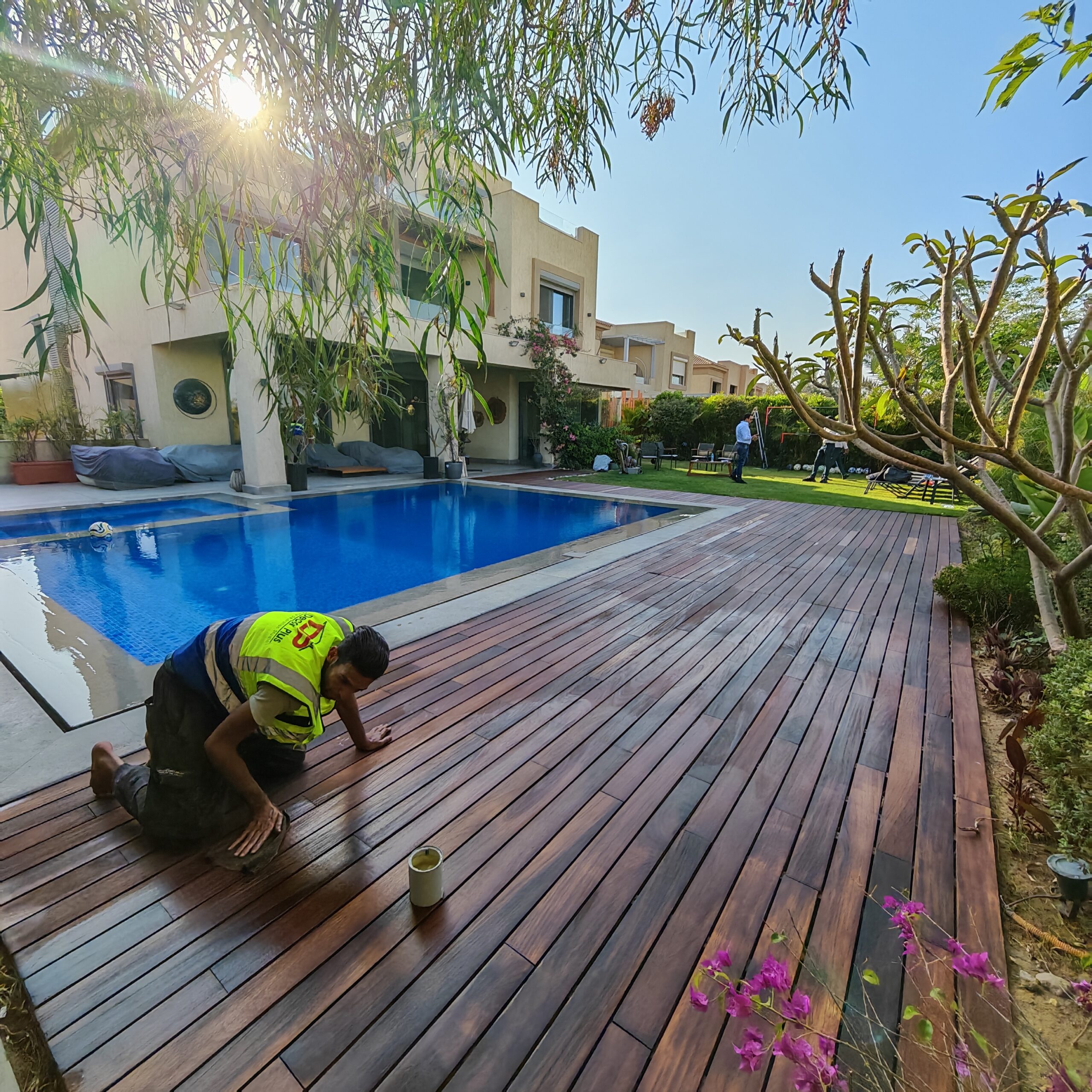
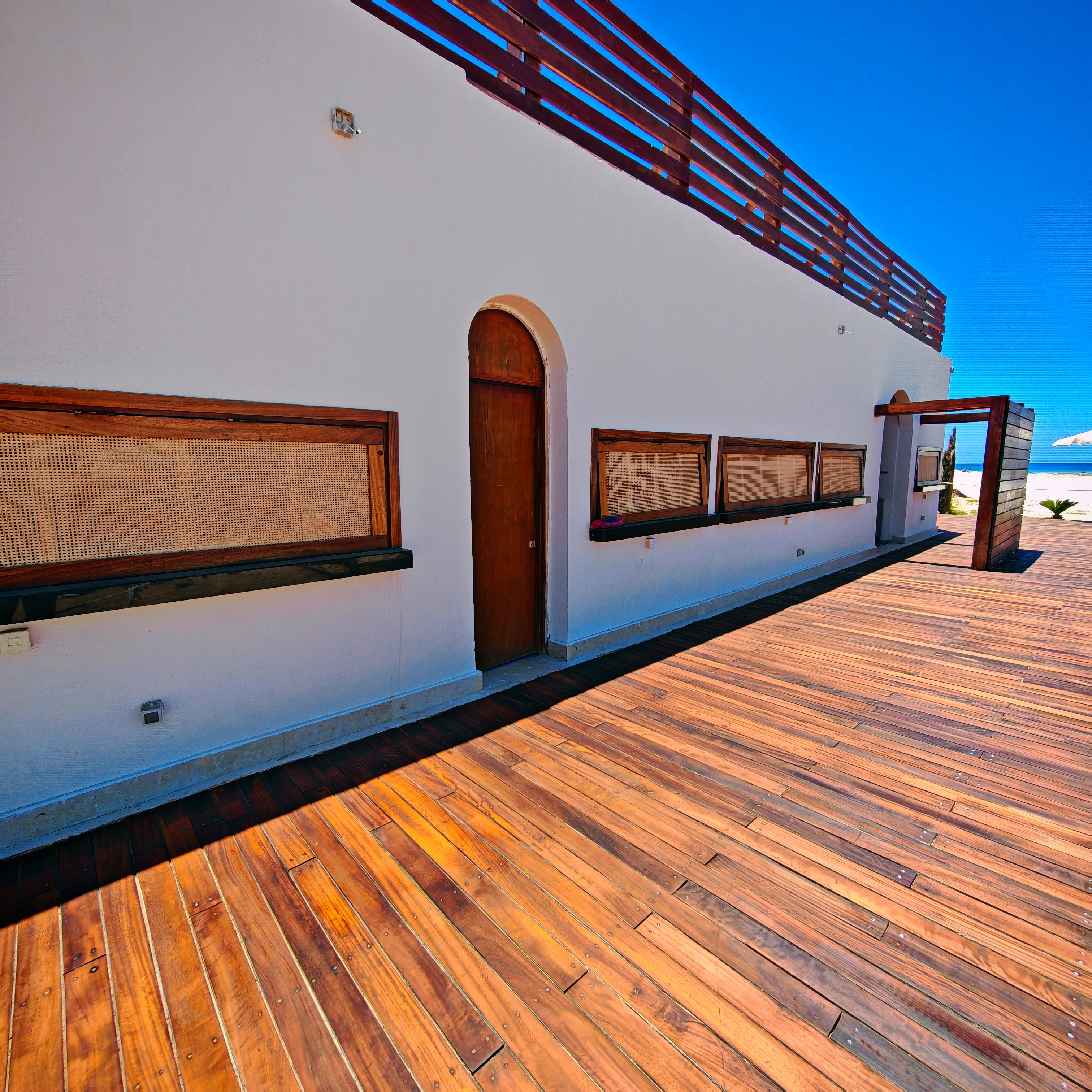
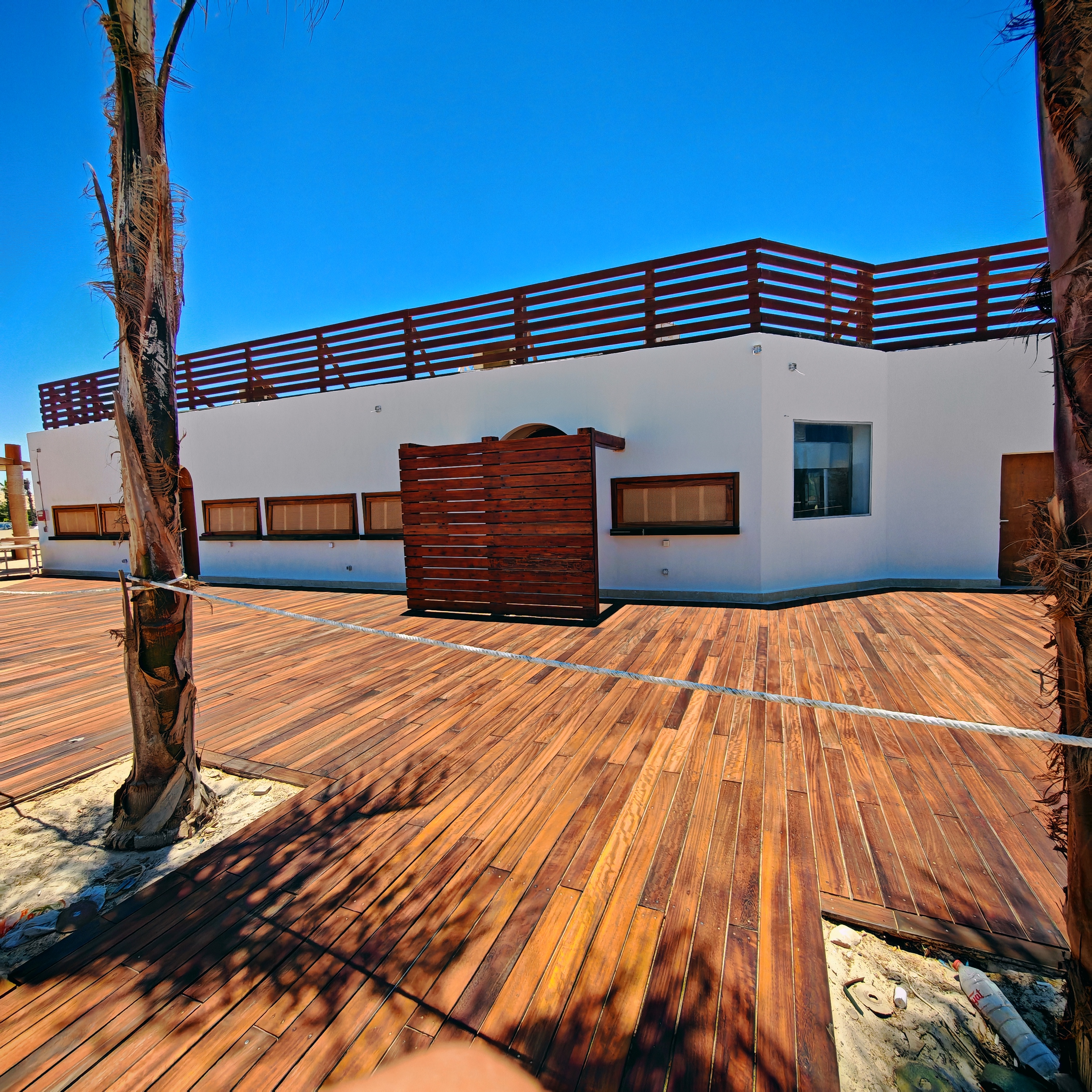
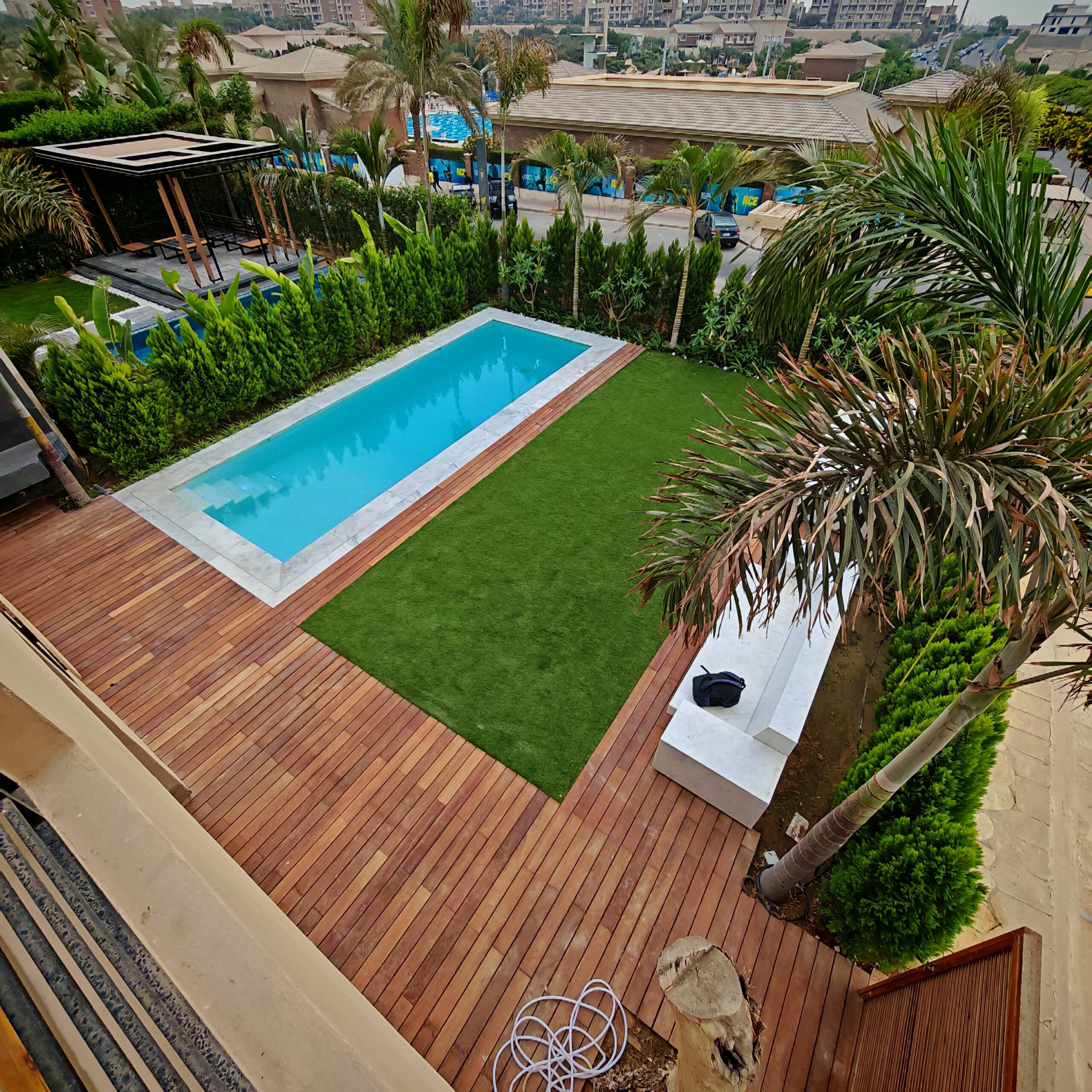
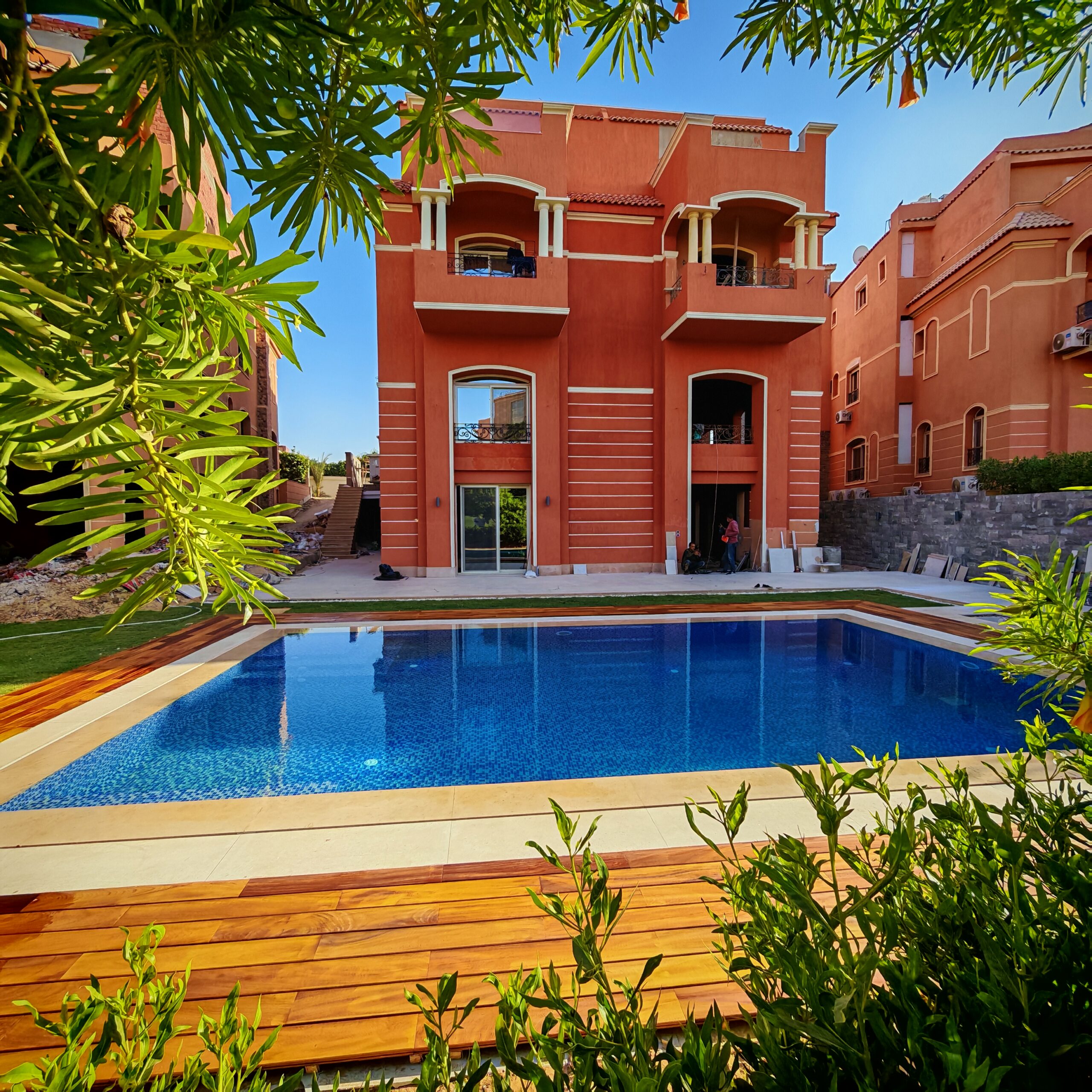
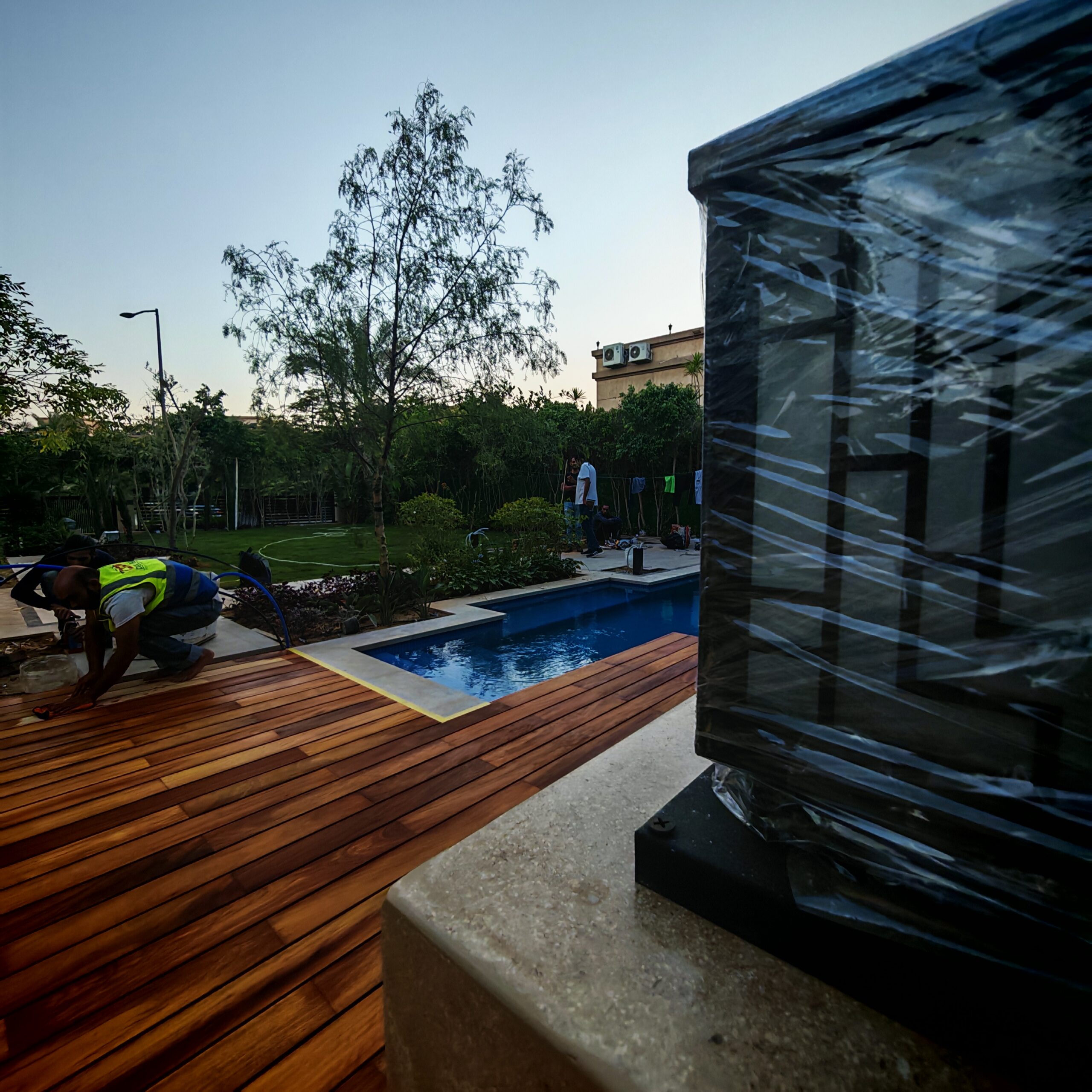
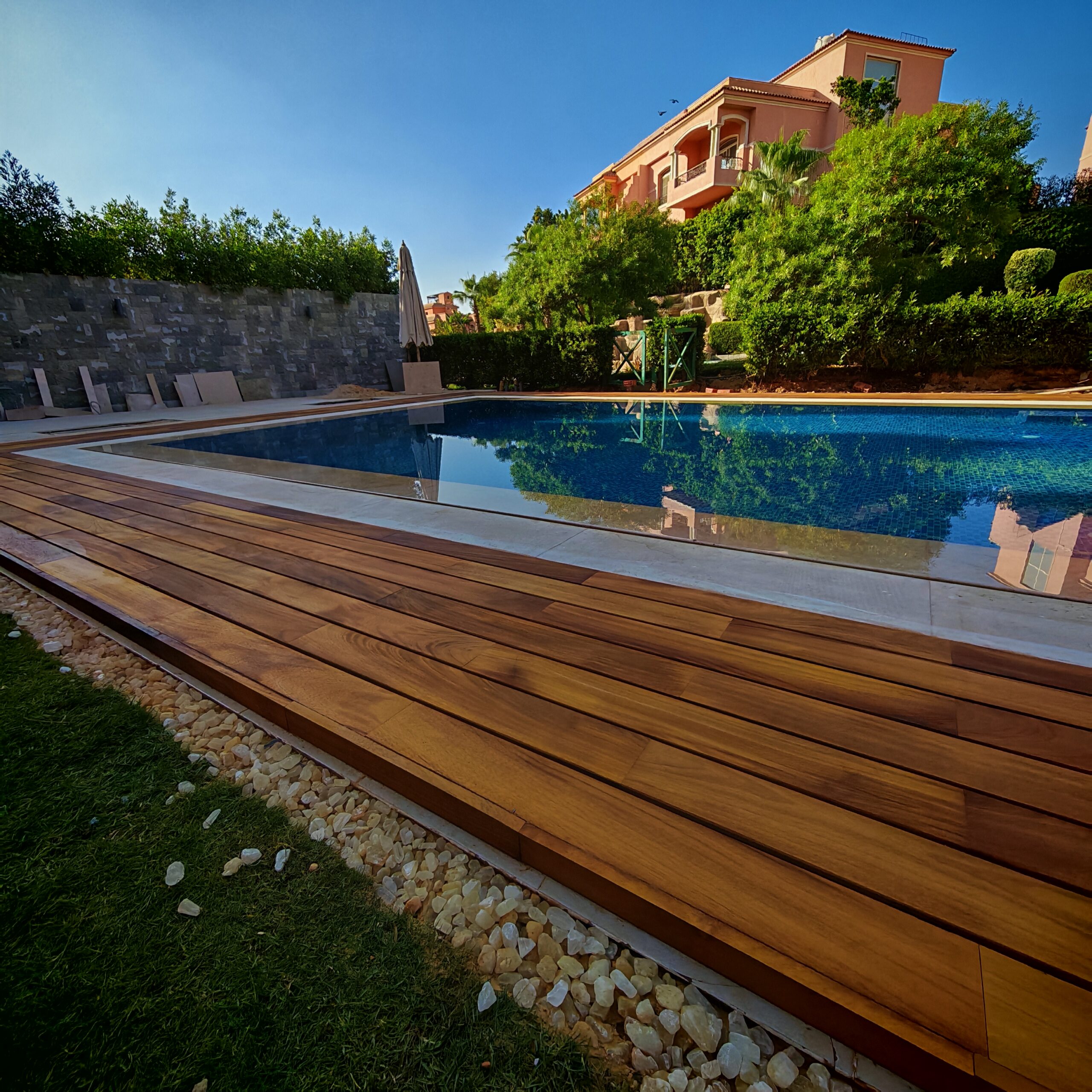
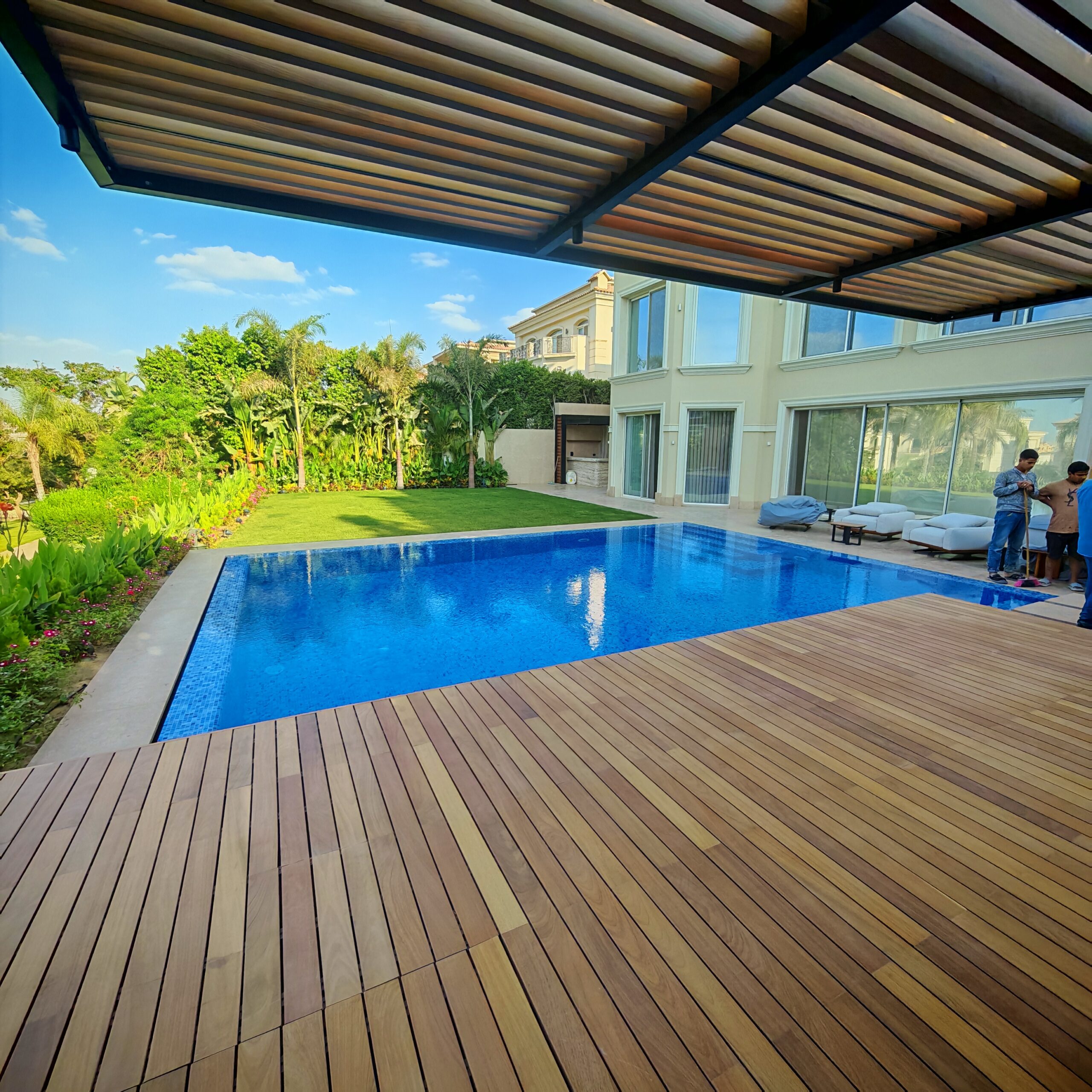
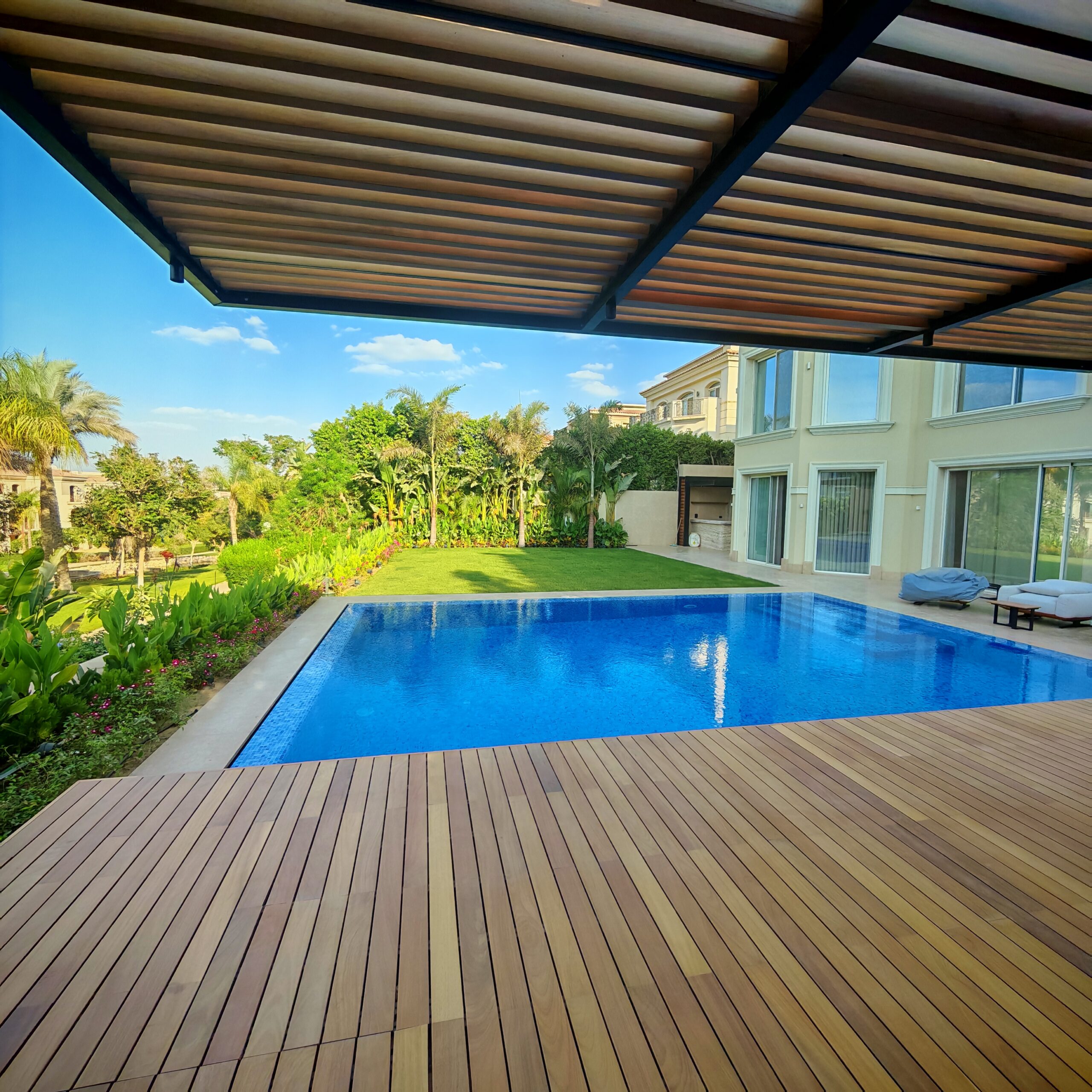
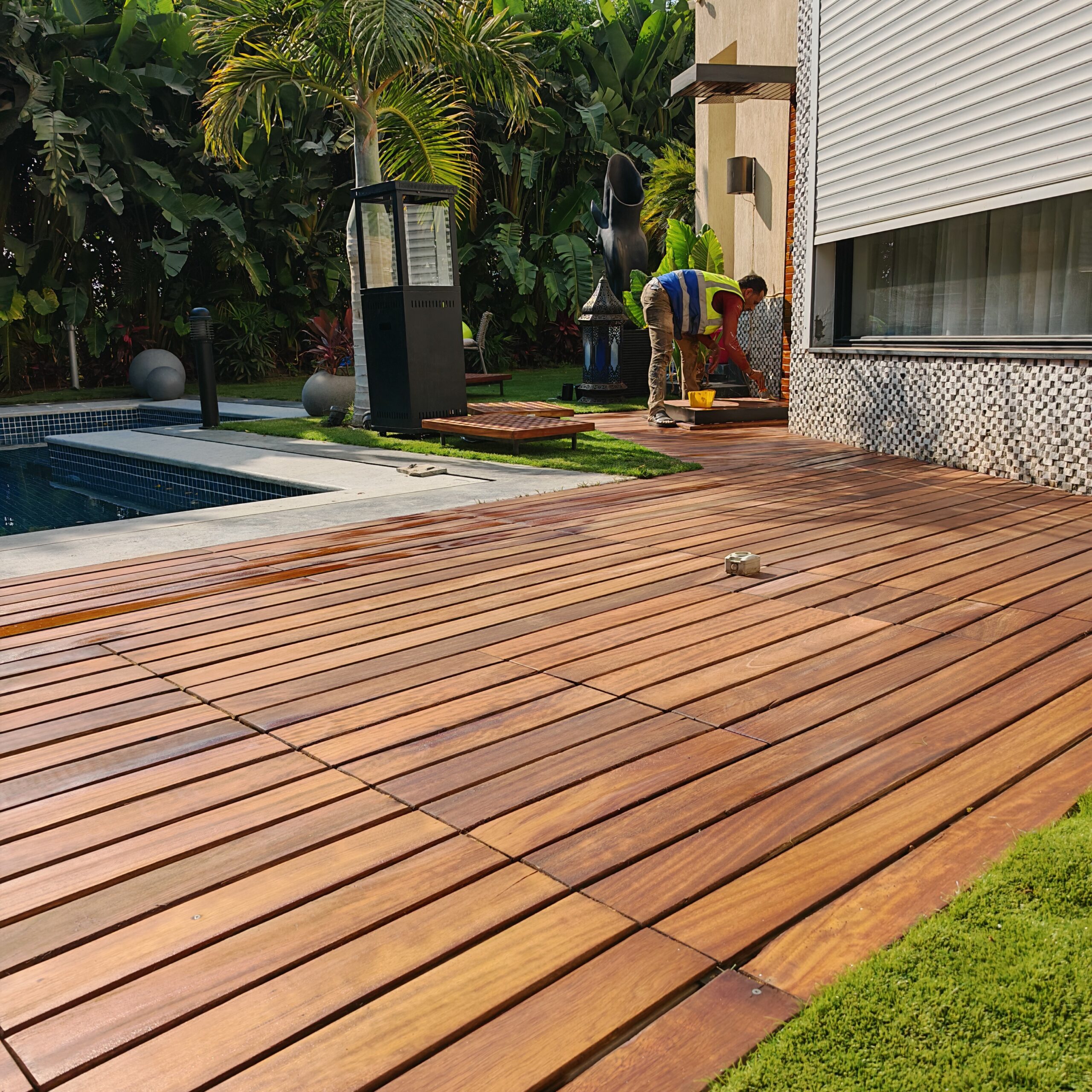
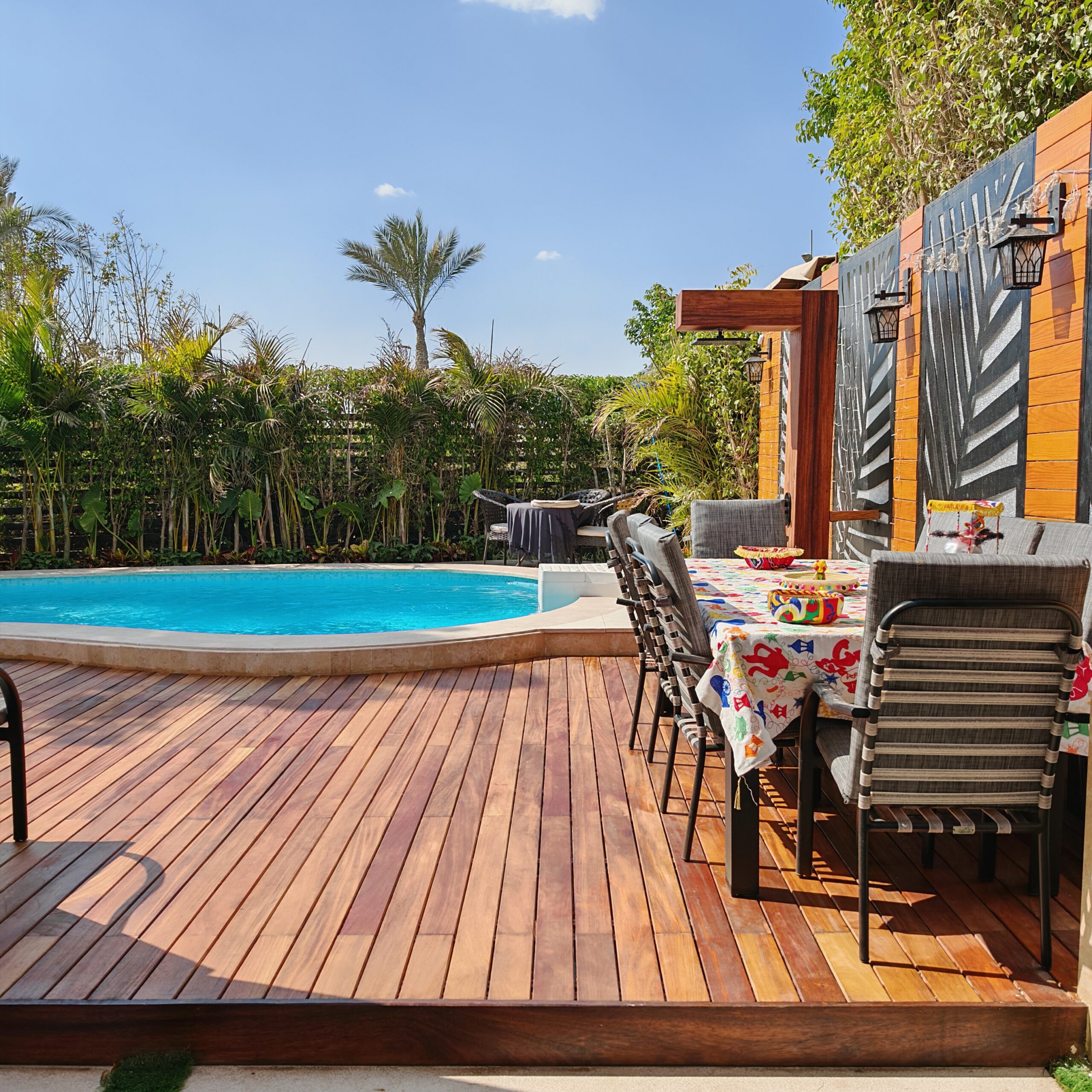
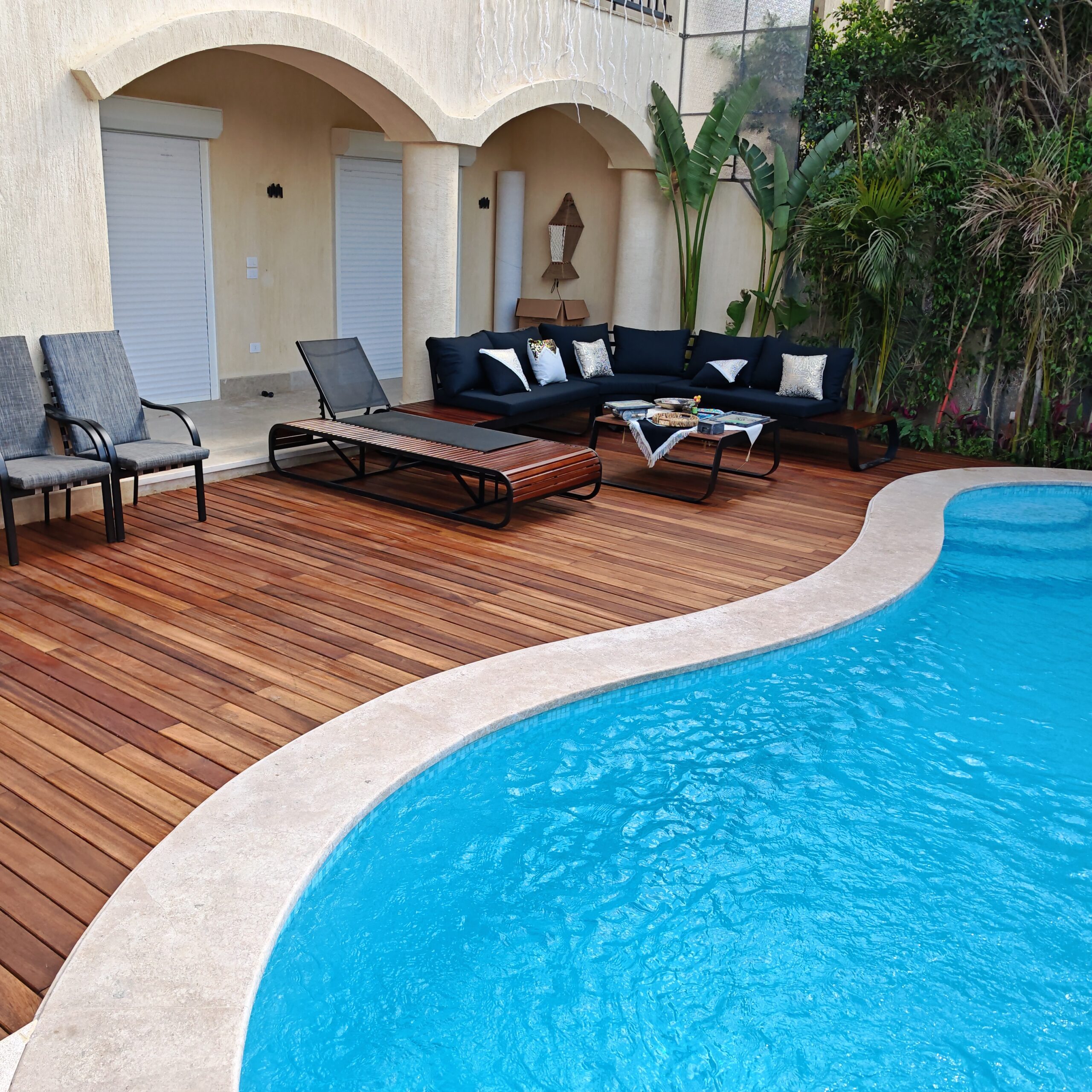
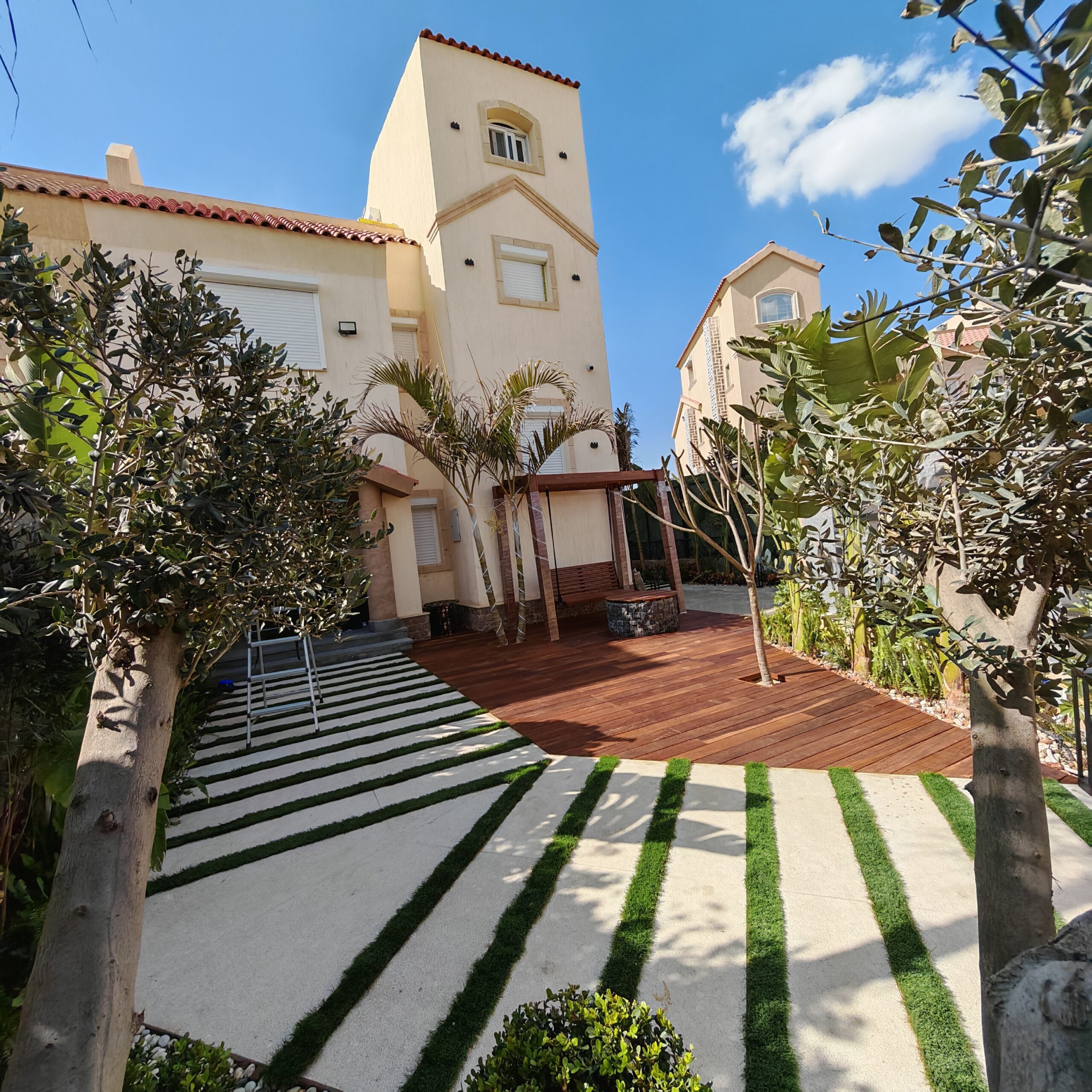
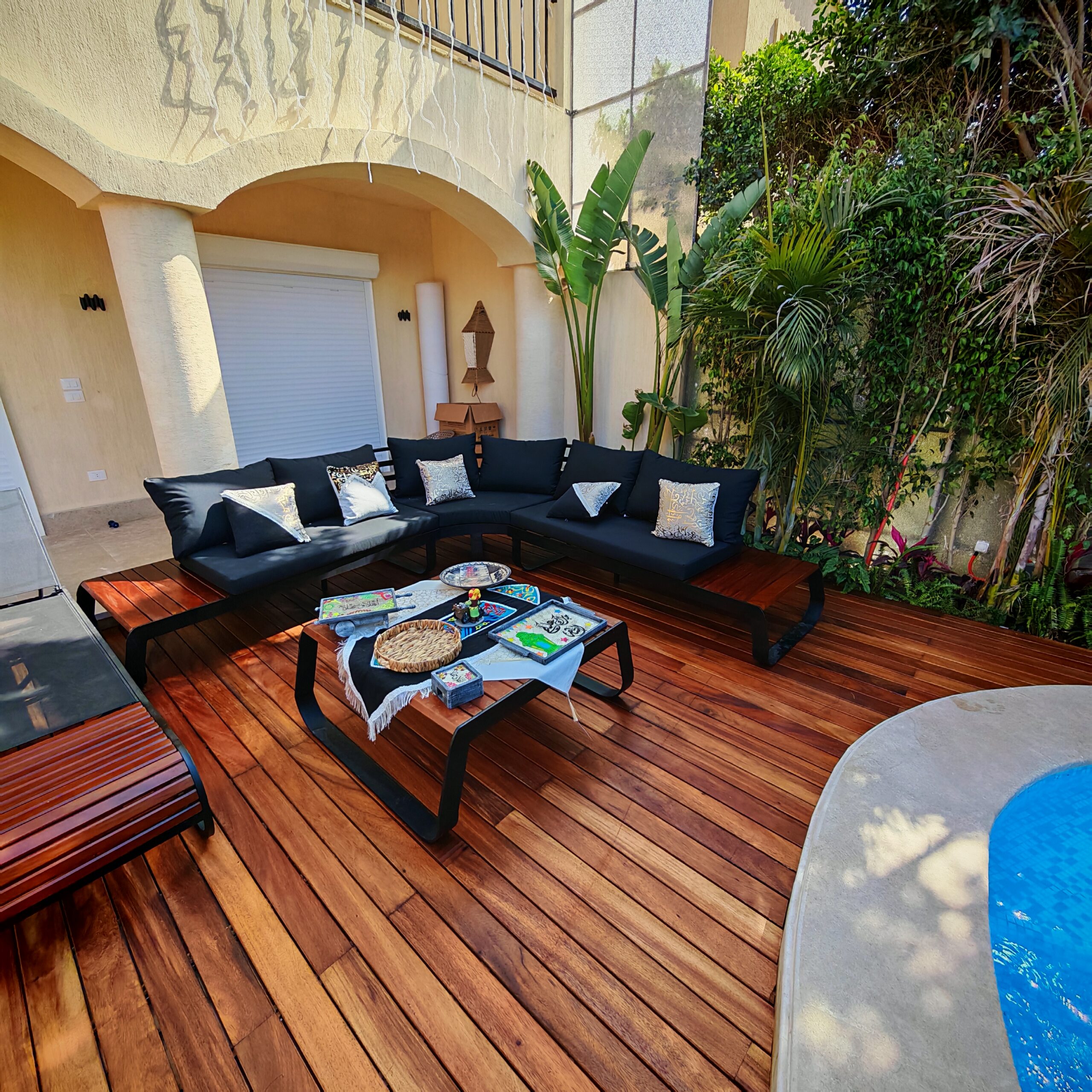
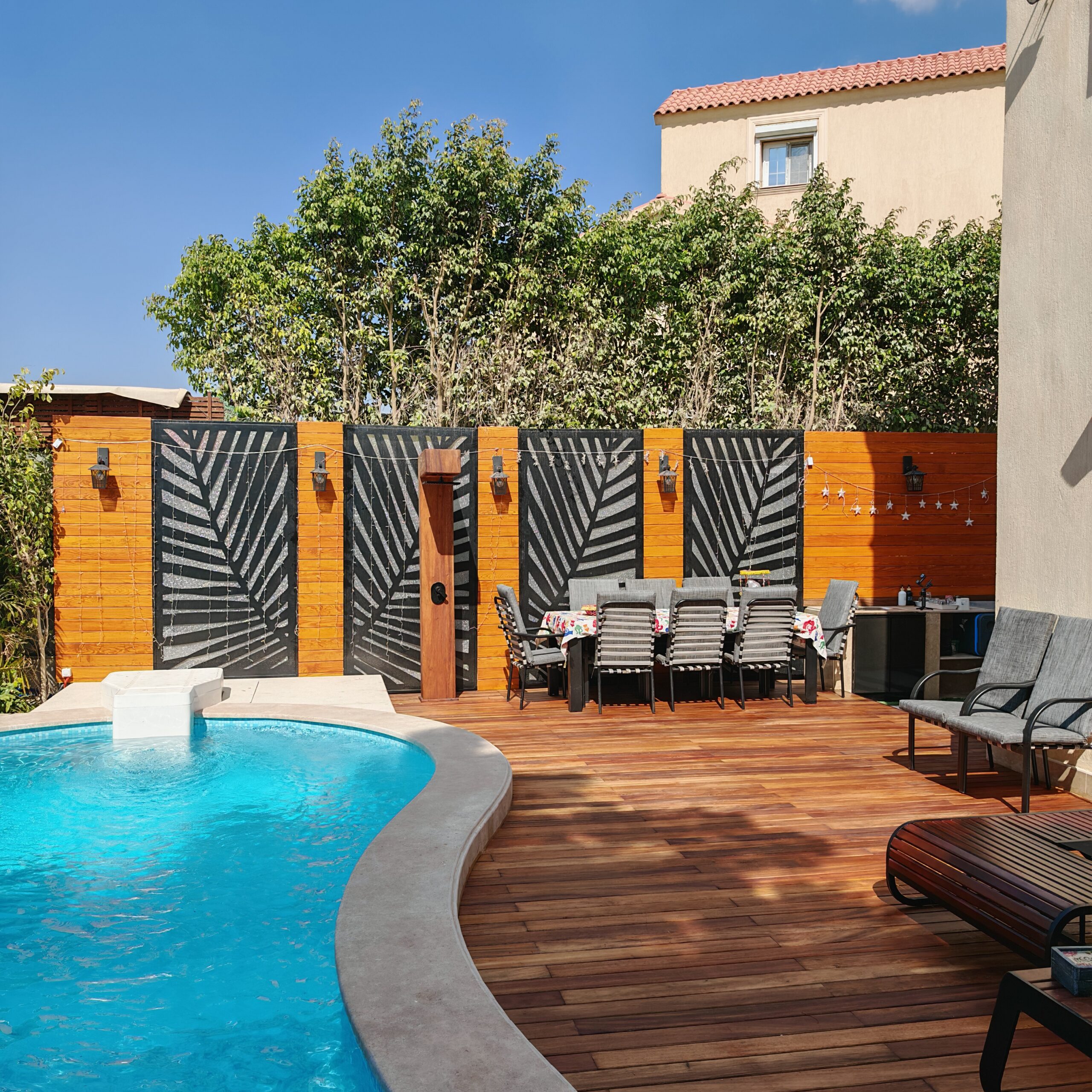
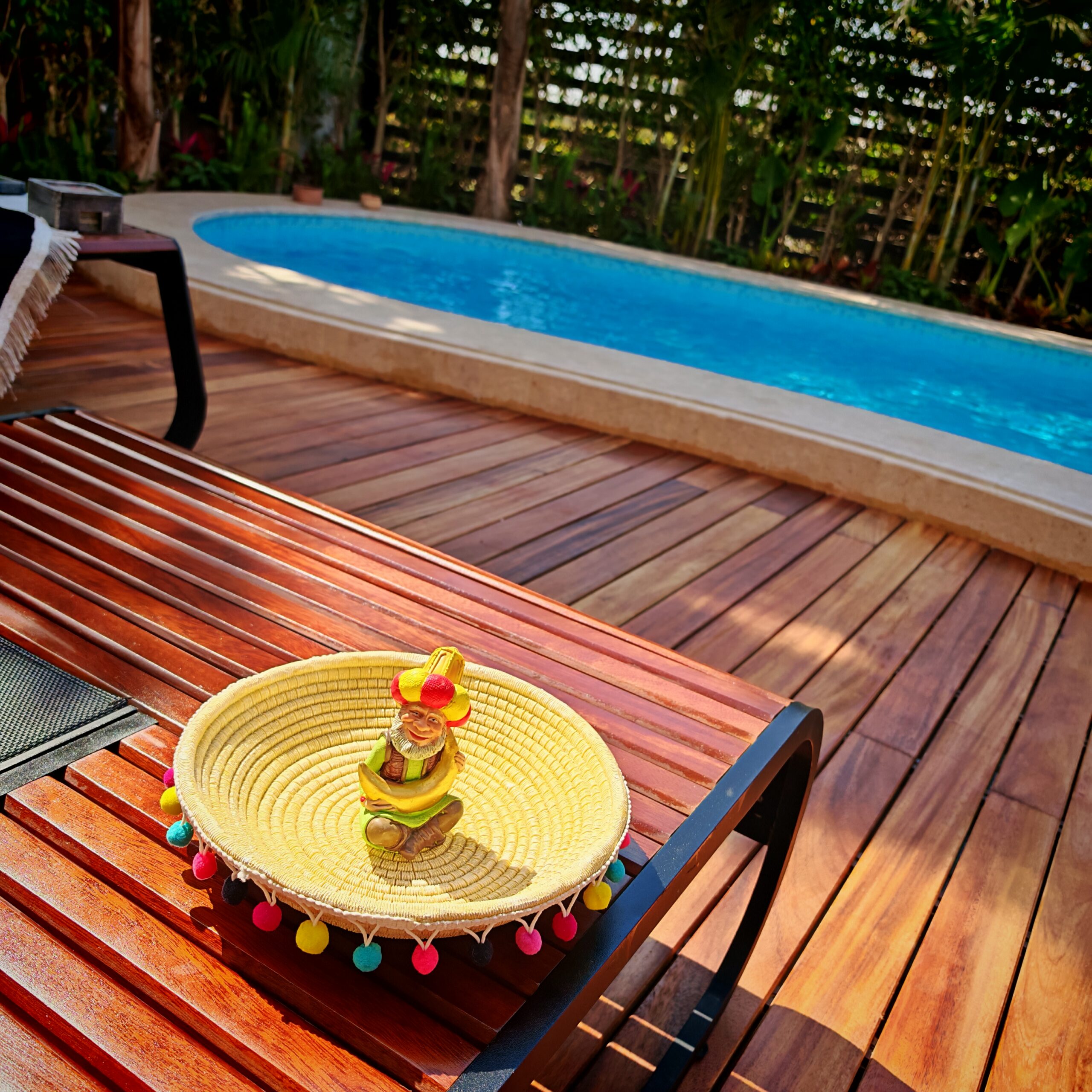
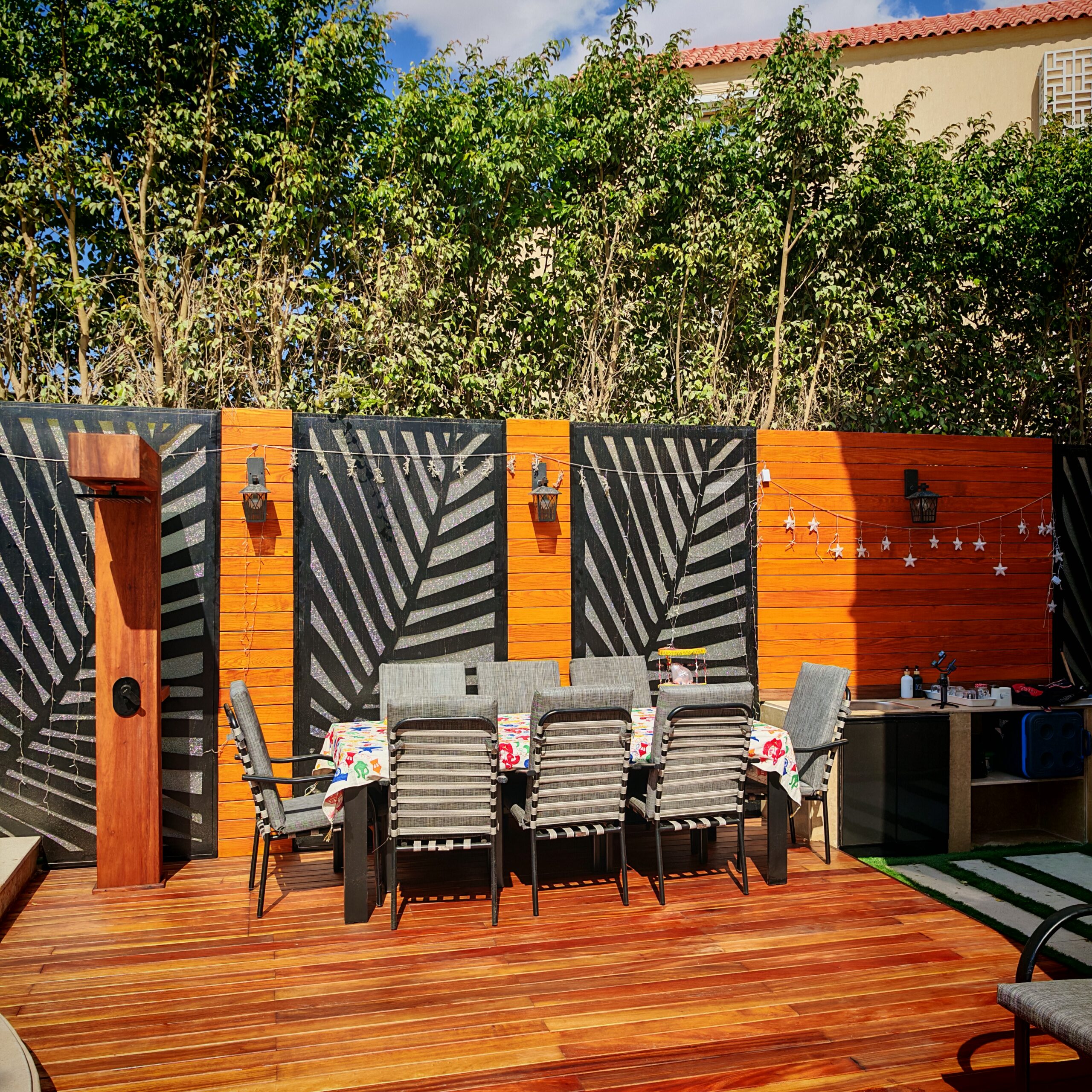
Outdoor Terraces and Decking: Ideal for areas surrounding swimming pools and villa terraces in coastal regions, where it easily handles high humidity, salty seawater, and direct sunlight without losing its durability.
Yacht Flooring: Considered a classic, luxurious choice for covering yacht and ship decks due to its legendary water and slip resistance.
Facade and Ceiling Cladding: It gives modern buildings a warm, sophisticated architectural touch, protecting external walls from changing weather factors.
Easy Maintenance and an Extended Lifespan
From a practical and economic standpoint, Teak Iroko wood is a smart, cost-effective choice over the long run. Its maintenance requires minimal effort; simply cleaning it regularly and applying specialized natural wood oils once a year is enough to preserve its vibrant golden-brown color. Even if left unoiled, it gradually matures into a classic, highly elegant silver-gray patina preferred by many landscape architects worldwide, without its internal strength being affected at all.
In conclusion, Teak Iroko wood is not just an ordinary finishing material; it is a true investment that elevates property value and guarantees premium, healthy, and clean spaces that successfully defy time and nature.
Pingback: Plank flooring -